


Best Cutting Height for a Healthy Zoysia Lawn
If you're staring at your Zoysia lawn and wondering how low you can safely go, here's the deal: most home lawns do best between 1 and 2 inches. That range keeps the turf dense, helps it choke out weeds, and holds up to kids, pets, and daily foot traffic without stressing the grass.
The exact number within that range depends on your Zoysia variety, how much sun the area gets, and the time of year. Cutting zoysia grass too short, especially in one go, can scalp the lawn and invite disease.
This guide walks through how to pick the right height for your yard, set your mower up, and build a mowing schedule that keeps your lawn healthy all season.
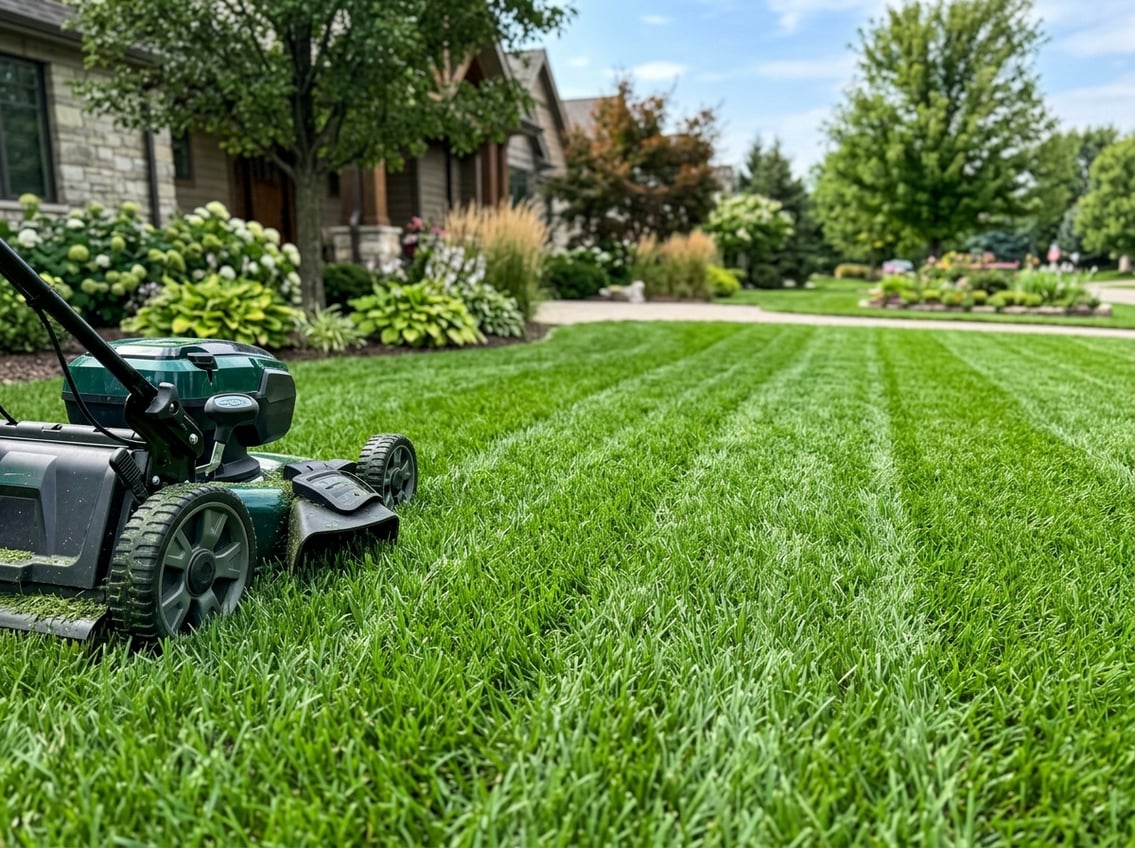
The Best Height Range for Home Zoysia Lawns
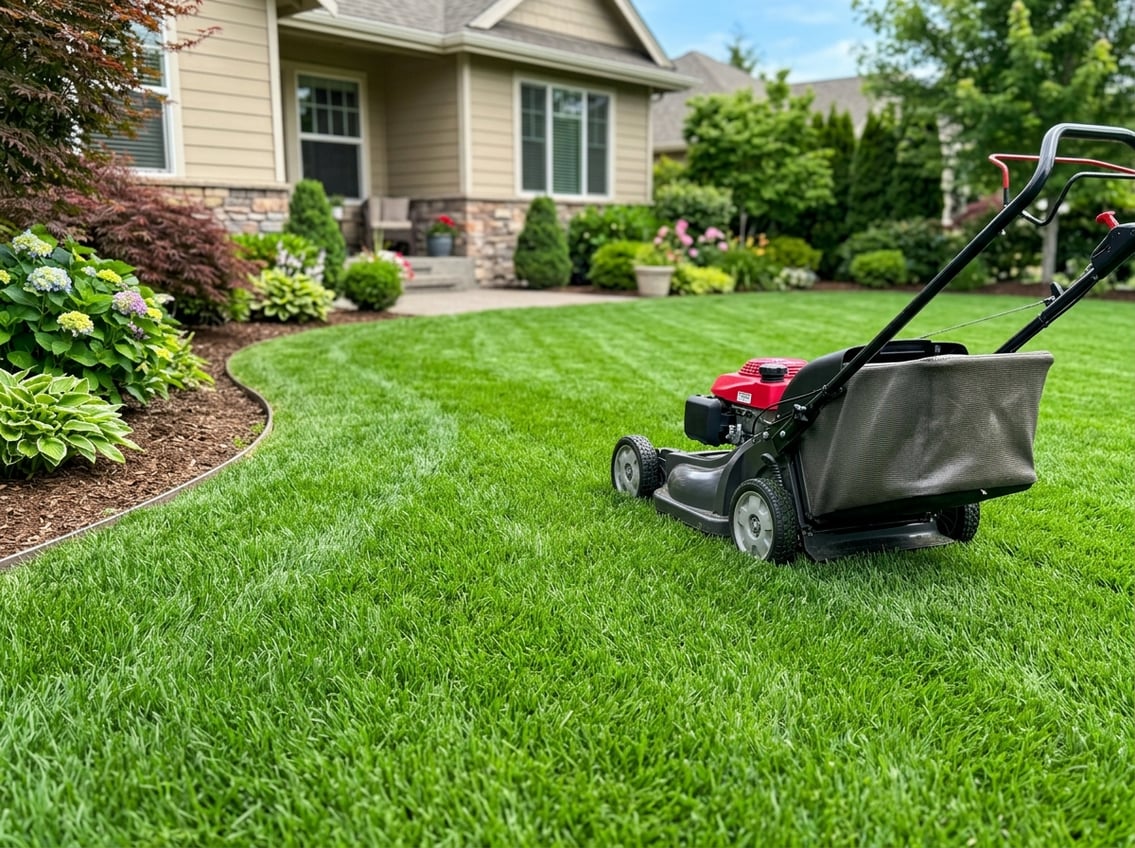
For most residential yards, an ideal mowing height between 1 and 2 inches gives Zoysia the best balance of looks and durability. You can go lower, but it takes more upkeep and there's less wiggle room for mistakes.
Use 1 to 2 Inches as the Residential Starting Point
Think of 1 to 2 inches as your default setting until you have a reason to change it. This height keeps Zoysia thick enough to crowd out weeds and short enough to look neat.
If you're not sure where to start, try setting your mower to 1.5 inches. It's a solid middle ground for almost any established lawn.
Choose a Height Within the Range Based on Lawn Goals
Cutting closer to 1 inch gives a tighter, more manicured look. Staying closer to 2 inches creates a more forgiving, stress-resistant lawn.
A few things to weigh:
- Appearance priority: shorter cuts show off Zoysia's fine texture
- Durability priority: taller cuts support deeper roots and better drought tolerance
- Maintenance time: shorter grass needs more frequent mowing to stay healthy
Understand When Shorter Turf Is Appropriate
Golf course fairways are often kept well under an inch, but that takes specialized reel mowers, daily maintenance, and irrigation systems most homeowners don't have. Trying to copy that look with a standard mower usually backfires.
Mowing for a home lawn means working with your equipment and schedule, not chasing a fairway look that needs a maintenance crew.
Match the Cut to Your Zoysia Variety and Growing Conditions
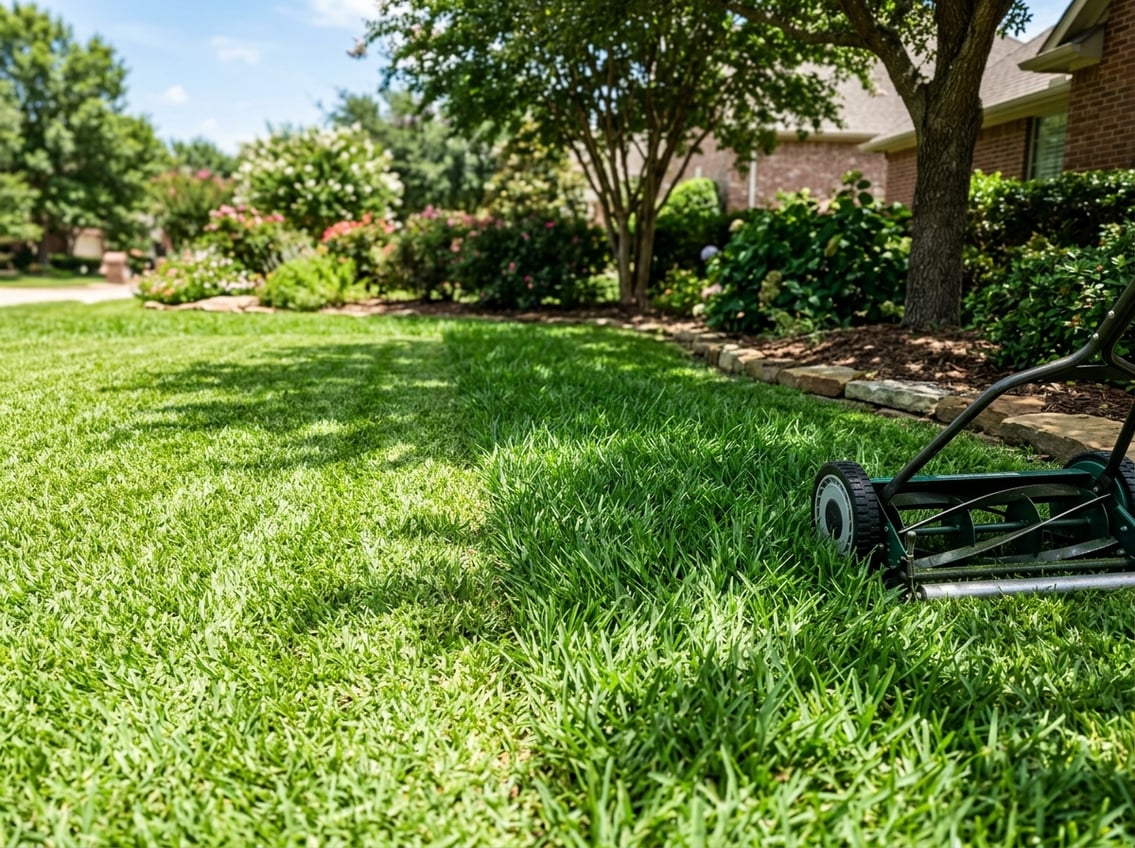
Not all Zoysia is the same. Fine-bladed types like Zeon prefer the lower end of the range, while coarser varieties like Meyer do better closer to 2 inches.
Shade, foot traffic, and root growth all play a role in fine-tuning your cut from there.
Set Zeon Zoysia for Texture and Shade Conditions
Zeon Zoysia is prized for its soft texture and decent shade tolerance. It usually does well between 0.5 and 1.5 inches, but going lower only makes sense in full sun with consistent care.
In yards with mixed sun and shade, staying closer to 1.5 inches gives Zeon more leaf surface to gather light.
Raise the Deck in Shaded Areas
Grass in shaded areas gets less sunlight and has less energy to recover from a close cut. Raising your mower deck by a quarter to half an inch in these spots helps the grass stay dense instead of thinning out.
Watch for patchy or thin turf under trees. That's often a sign the cut is too low for the light available.
Allow for Heat, Drought, Slopes, and Heavy Foot Traffic
Warm-season grass like Zoysia handles heat well, but drought and heavy use still take a toll. Taller grass shades the soil, supports deeper root growth, and holds up better under stress.
Raise your height slightly for:
- Slopes, where longer roots help prevent erosion
- Play areas with heavy foot traffic
- Stretches of hot, dry weather
Set Your Mower for a Clean, Consistent Cut
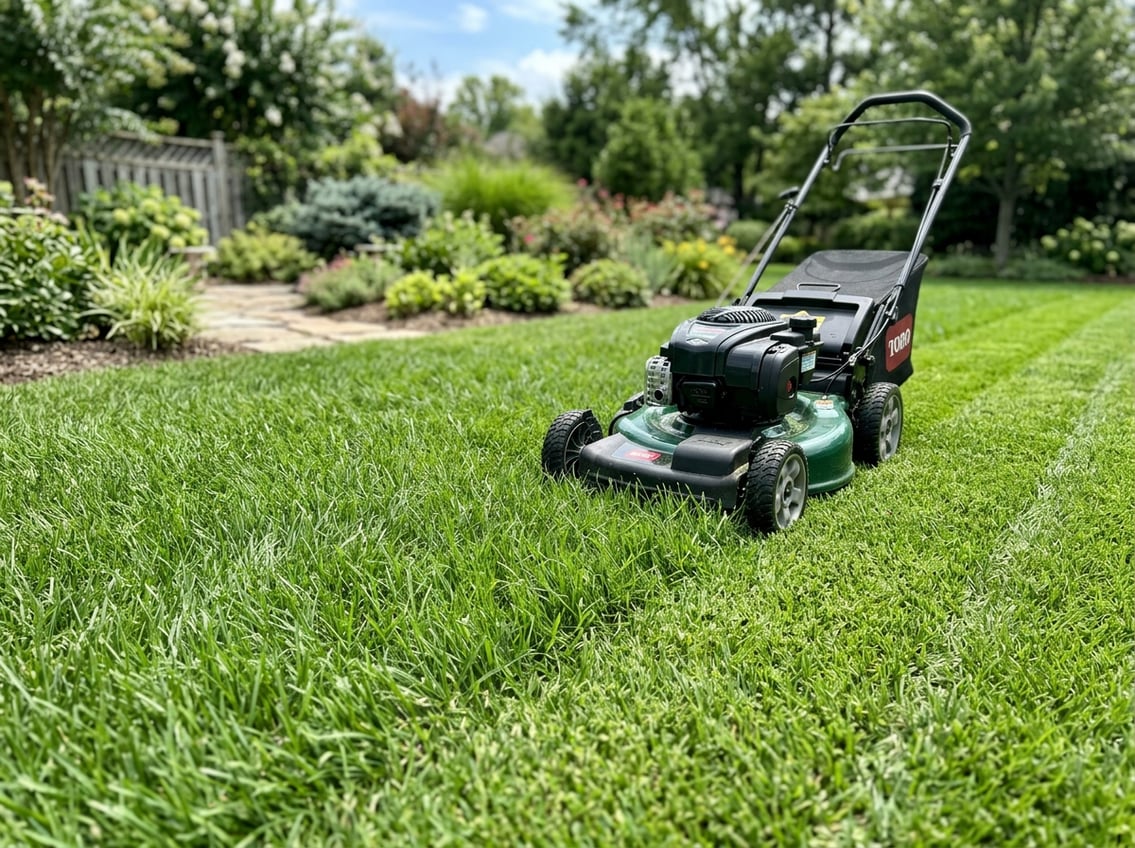
Dialing in the right mowing height on paper doesn't matter much if your mower isn't set up to deliver it. A quick check of your actual cutting height, mower type, and blade sharpness can make a real difference in how your lawn looks and recovers.
Measure Actual Cutting Height Before Mowing
Mower deck settings aren't always accurate. Set your mower on a flat, hard surface like a driveway and measure from the ground to the blade tip.
This takes a couple of minutes and saves you from an unpleasant surprise on the lawn. Tire wear and uneven ground can throw off the number shown on the deck dial.
Choose Between a Rotary Mower and Reel Mower
A rotary mower is the standard choice for most home lawns and works fine across the 1 to 2 inch range. A reel mower cuts with a scissor-like action and can achieve a cleaner, lower cut, which is why it's common on golf fairways.
For most homeowners, a well-maintained rotary mower just makes more sense. Resources like LawnFly can help you compare mower types if you're deciding which fits your yard and budget.
Maintain Sharp Mower Blades and a Level Deck
Sharp mower blades slice grass cleanly, while dull ones tear it, leaving ragged, brown tips. Check your blades at least once a season and sharpen sooner if you notice torn or frayed grass after mowing.
A level deck matters too. An uneven deck cuts one side shorter than the other, creating stripes of stress across the lawn.
Use the One-Third Rule to Build a Mowing Schedule
The one-third rule is simple: never remove more than one-third of the grass blade in a single mow. Follow this, and your mowing frequency should be based on how fast the grass is growing, not a fixed weekly calendar.
Mow by Growth Rate Instead of the Calendar Alone
Zoysia grows faster in warm, wet weather and slows down in cooler or dry stretches. If your target height is 1.5 inches, mow once the grass hits around 2 to 2.25 inches—not just whenever it's convenient.
Checking grass height with a simple ruler every now and then helps you catch the right mowing window.
Adjust Mowing Frequency Through the Active Season
During peak summer growth, that might mean mowing every 5 to 7 days. In cooler shoulder seasons, every 10 to 14 days may be plenty.
A rough guide:
| Season | Growth Rate | Typical Mowing Frequency |
|---|---|---|
| Late spring/summer | Fast | Every 5-7 days |
| Early spring/fall | Moderate | Every 10-14 days |
| Winter dormancy | Little to none | Rarely, if at all |
Lower an Overgrown Lawn Gradually
If your Zoysia has gotten tall, resist the urge to chop it down to your target height in one pass. Lower it by no more than one-third at a time, waiting a few days between cuts until you reach your goal.
This gradual approach protects the roots and avoids shocking the lawn.
Avoid Scalping, Thatch, and Other Mowing Setbacks
Cutting Zoysia too short or too infrequently causes problems that show up fast: bare patches, brown stems, and a lawn that struggles to bounce back. Knowing what causes these issues makes them much easier to avoid.
Recognize and Prevent Scalping
Scalping happens when you cut off so much of the blade that you expose the brown, woody stems underneath. It often shows up as pale or brown patches right after mowing.
The fix is straightforward: stick to the one-third rule and never let the lawn get so tall that a normal mow removes too much at once.
Manage Thatch Buildup Without Cutting Too Low
Thatch is the layer of dead grass and roots that builds up between the soil and the green blades. A thin layer is normal, but heavy thatch buildup can block water and nutrients from reaching the roots.
Mowing too short doesn't reduce thatch. It usually makes the lawn weaker and more prone to it.
Periodic dethatching or light aeration is a better long-term fix.
Handle Grass Clippings and Reduce Disease Risk
Short, frequent clippings from proper mowing can stay on the lawn and break down naturally, returning nutrients to the soil. Long, clumped clippings from an overdue mow should be raked up or bagged.
Leaving thick clumps behind can smother grass and encourage lawn diseases. Clean, sharp cuts also lower disease risk by leaving less damaged tissue exposed to fungus and weed invasion.
Adapt the Height Through the Season
Zoysia's needs shift as it moves through its growth cycle each year. Adjusting your mowing schedule and height to match spring green-up, summer stress, and fall dormancy keeps root growth strong and the lawn healthier long term.
Start Spring Mowing After Active Growth Begins
Wait until Zoysia has fully greened up and is actively growing before your first mow of the season. Mowing too early, while the lawn is still shaking off dormancy, can do more harm than good.
Once growth kicks in, return to your normal target height in the 1 to 2 inch range.
Raise the Cutting Height During Summer Stress
When the weather turns hot or dry for days on end, try bumping your mowing height up by a quarter to half an inch. Letting the grass grow a bit taller helps shade the soil and slows down how quickly it loses moisture.
Deeper roots get a better chance to develop, making it easier for your lawn to handle stress. Honestly, this small tweak might surprise you with how much it helps your grass survive those rough August weeks.
Prepare Zoysia for Fall Slowdown and Dormancy
As temperatures start to dip and growth tapers off, keep mowing at your usual height. Stick with this until the grass stops growing and you see it turning brown.
Some folks like to leave the last cut a bit taller—maybe 2 to 2.5 inches. That little extra height can help protect the crowns during winter, though it’s not a strict rule.
Skip the urge to do one final, super-short mow before dormancy. Honestly, it doesn’t help and just leaves your lawn more vulnerable to cold stress.
DISCLAIMER
This document is provided for general information purposes only and should not be relied upon as providing legal advice, technical, or specific operational guidance to the reader, whether as to the practices described in the document or the applicable legal requirements and regulations. Lawnfly.com expressly disclaims any responsibility for liability arising from or related to the use or misuse of any information in this document.


