



What Is the Best Climate for Growing Rangoon Creeper?
The best climate for growing Rangoon Creeper is warm, humid, and frost-free. This tropical flowering vine, known botanically as Combretum indicum (formerly Quisqualis indica), thrives in USDA hardiness zones 9 through 11.
It performs best where temperatures stay consistently above 60°F. If you live in a cooler region, you can still grow this plant in containers—just make sure you protect it during winter.
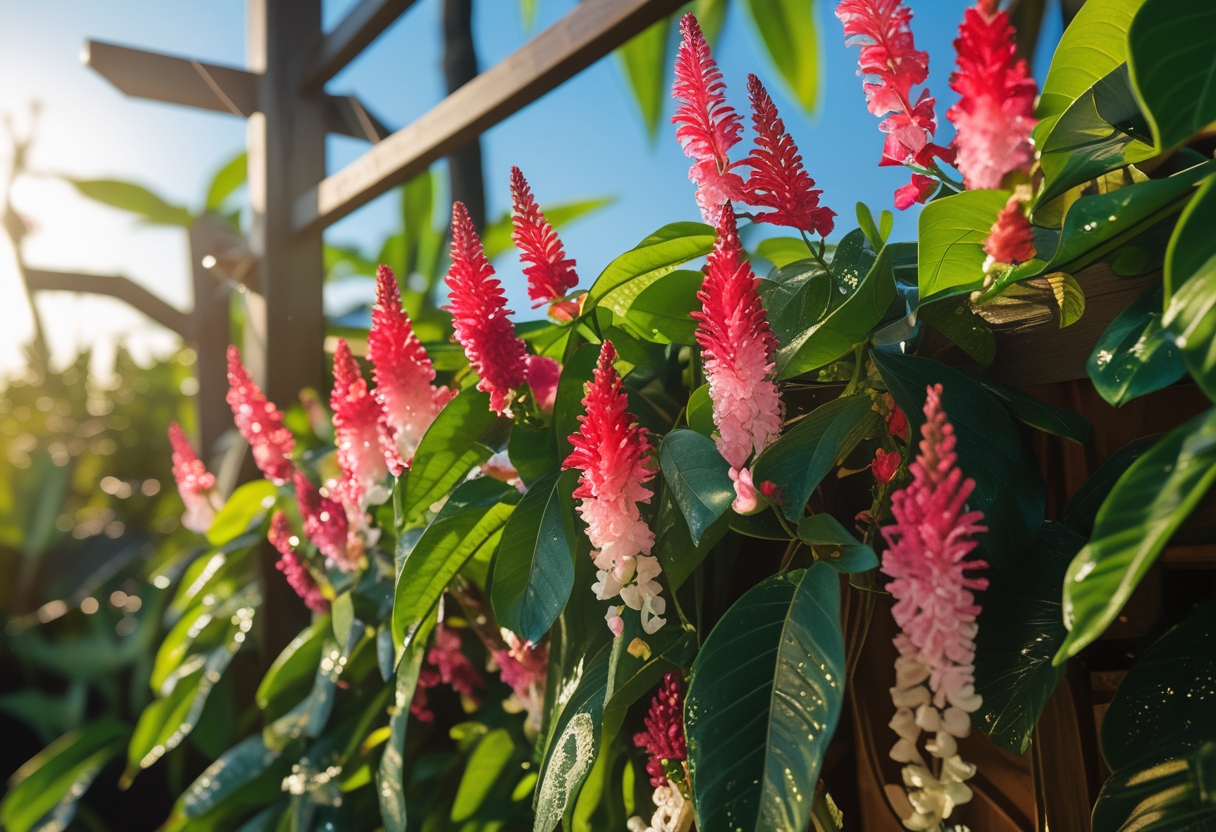
The Rangoon Creeper plant produces clusters of tubular flowers that shift from white to pink to deep red as they age. This color change, paired with a sweet jasmine-like scent, makes it a standout in warm gardens.
Getting the climate right is the single biggest factor in whether your Rangoon Creeper will flourish with abundant blooms or struggle to survive.
Native to tropical Asia—places like India, the Philippines, and Malaysia—this vine naturally loves heat, moisture, and a long growing season.
This guide covers temperature, sunlight, soil, humidity, and where in the U.S. you can grow Rangoon Creeper. You'll also find tips for container growing and how to get away with growing it in chillier spots.
Key Takeaways
- Rangoon Creeper grows best in USDA zones 9 through 11 where winter temperatures stay above 50°F and summers are warm and humid.
- Full sun with at least six hours of direct exposure produces the most prolific blooming, though afternoon shade helps in extreme heat.
- Container growing with indoor overwintering is the most reliable method for gardeners in zones 8 and cooler.
Ideal Hardiness Zones and Temperature Range
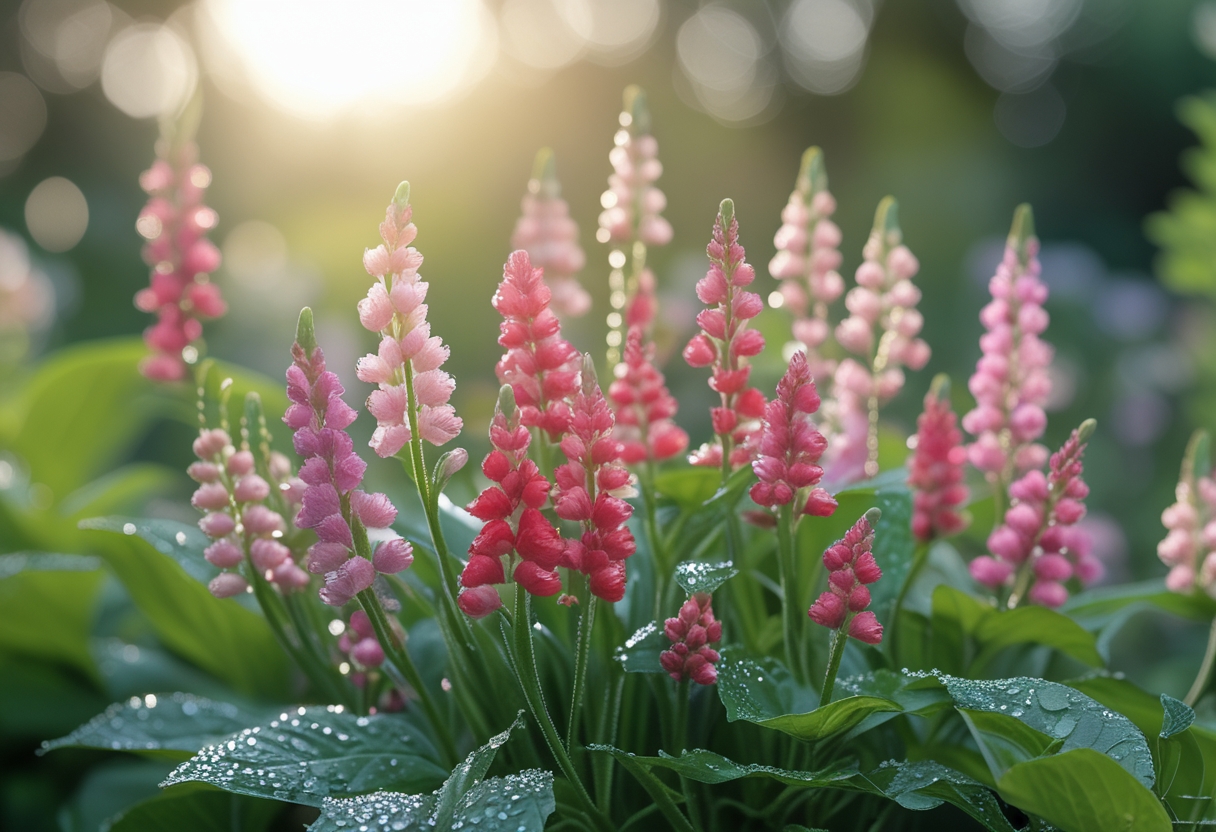
Rangoon Creeper is a heat-loving vine that needs steady warmth to really take off and bloom. The difference between a thriving plant and a sad one? It's usually the winter lows and length of the warm season.
Best USDA Zones for Reliable Outdoor Growth
The Rangoon Creeper vine grows reliably in the ground in USDA zones 10 and 11, where winter lows rarely dip below 30°F. In these zones, you'll see year-round leaves and long blooming spells.
Zone 9 works if you take some precautions. Plants might die back to their roots in cold spells but usually pop back up in spring if the freeze doesn't last long. Below zone 9, in-ground planting gets risky unless you have serious frost protection.
| USDA Zone | Minimum Winter Temp | Outdoor Viability |
|---|---|---|
| 11 | Above 40°F | Excellent, year-round growth |
| 10 | 30–40°F | Excellent, minimal cold risk |
| 9 | 20–30°F | Possible with winter dieback |
| 8 and below | Below 20°F | Container only |
Day and Night Temperatures That Support Vigorous Growth
Combretum indicum grows best when daytime temperatures stay between 68°F and 85°F. If nighttime temps stay above 60°F, the vine keeps growing and setting buds.
Growth slows down once it gets cooler than 59°F. If chilly weather lingers, you might see leaves drop—sometimes even without a freeze. In borderline zones, the number of warm days in a row matters just as much as the lowest temp.
How Frost, Cold Snaps, and Extreme Heat Affect the Vine
Even a light frost can zap the Quisqualis vine, causing leaves to brown or blacken within days. Stems might die back to the base.
Older plants with deep roots in zone 9 sometimes recover from a quick freeze, but young ones usually can't take it. On the flip side, extreme heat above 95°F stresses the vine—leaves may lighten or burn.
Afternoon shade and extra water during heat waves help prevent lasting damage.
Sunlight, Humidity, and Air Exposure
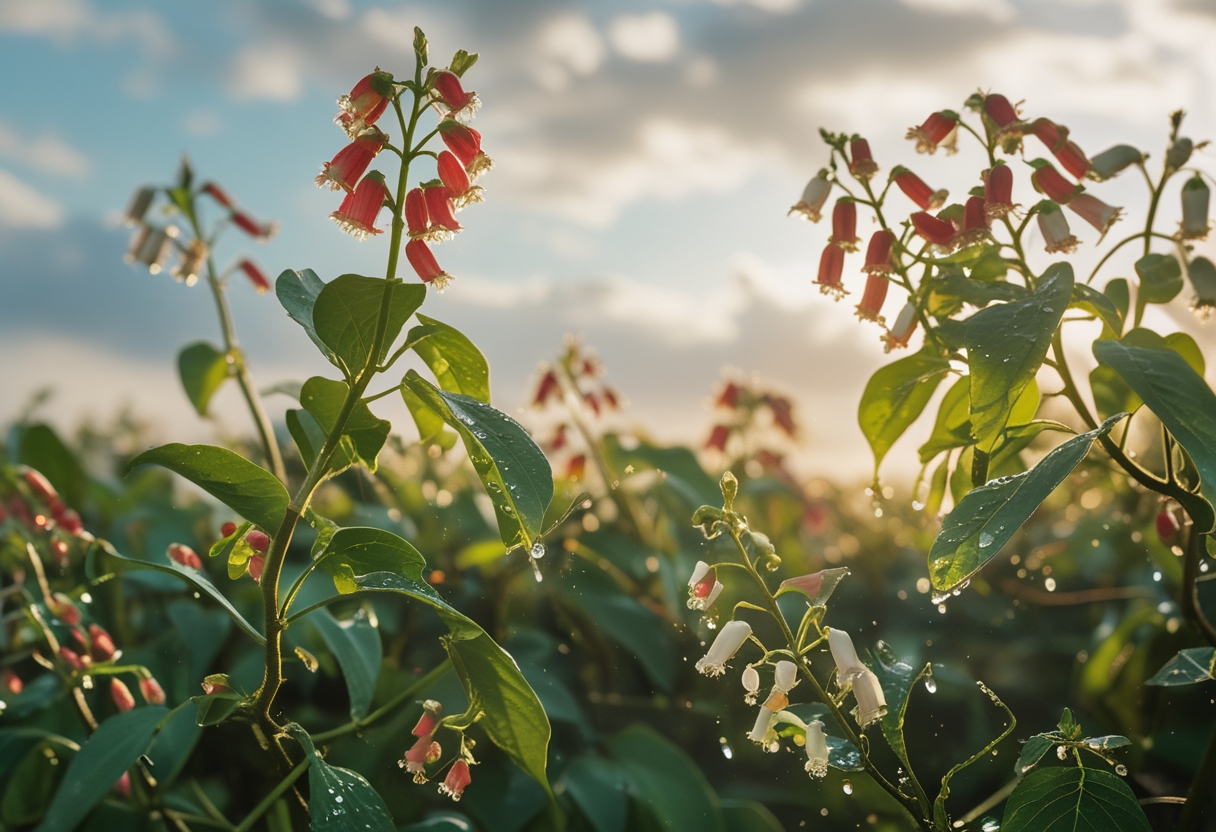
Light and humidity shape how many blooms you'll get and how vibrant the flowers look. If you get these right, you're halfway there.
How Much Sun Produces the Best Flowering
Rangoon Creeper needs at least six hours of direct, uninterrupted sunlight per day to bloom its best. Full sun means more flowers and stronger stems.
If the plant gets too much shade, it gets leggy and blooms less. If you see your vine stretching toward the light and barely blooming, move it somewhere sunnier.
When Partial Shade Helps in Hot Regions
In places where summer temps regularly go over 90°F, afternoon shade protects the flowers from burning. Morning sun with filtered light after 2 p.m. works well in spots like inland Southern California, Arizona, or South Texas.
Try planting on the east or southeast side of a building for good morning sun and protection from the harshest afternoon rays.
Why Warm Humid Conditions Improve Blooming
If you grow Rangoon Creeper in a humid environment, you'll see lusher leaves and heavier blooms. Aim for at least 50% relative humidity.
Dry air—especially with wind—can dry out buds before they open. If you garden in a dry area, cluster your plants, mulch, and mist the leaves during dry stretches. Coastal and Gulf Coast areas naturally offer the warm, moist air this vine loves.
Soil and Moisture Conditions That Prevent Stress
If your soil stays too wet or too dry, your Rangoon Creeper will feel it—fewer blooms, more root problems. The right soil and watering habits keep things on track.
Why Well-Draining Soil Matters Most
Well-draining soil is non-negotiable for Rangoon Creeper. Soggy roots rot fast in heavy clay or compacted dirt. If water puddles after rain, amend the area or switch to raised beds.
Honestly, if you're learning how to grow Rangoon Creeper, fix your drainage before worrying about fertilizer or pruning.
Preferred Soil Texture, Organic Matter, and pH
A loamy mix with plenty of organic matter is ideal. You want soil that holds some moisture but drains excess water easily.
Try mixing equal parts garden soil, compost, and perlite or coarse sand for a solid base.
- pH range: Slightly acidic to neutral (6.0 to 7.0)
- Organic matter: Compost, aged bark, or leaf mold
- Amendments for clay soil: Perlite, pumice, or coarse sand
Sandy soils drain great but might need extra compost to keep enough moisture during hot spells.
Balancing Regular Watering With Root Rot Prevention
Water deeply but let the top inch of soil dry out before watering again. In hot weather, that's usually every two or three days.
Cut back on watering in winter, especially for container plants. Soggy soil during dormancy causes most root rot issues.
Stick your finger in the soil—if it's still moist an inch down, wait another day before watering.
Best Regions and Garden Placements
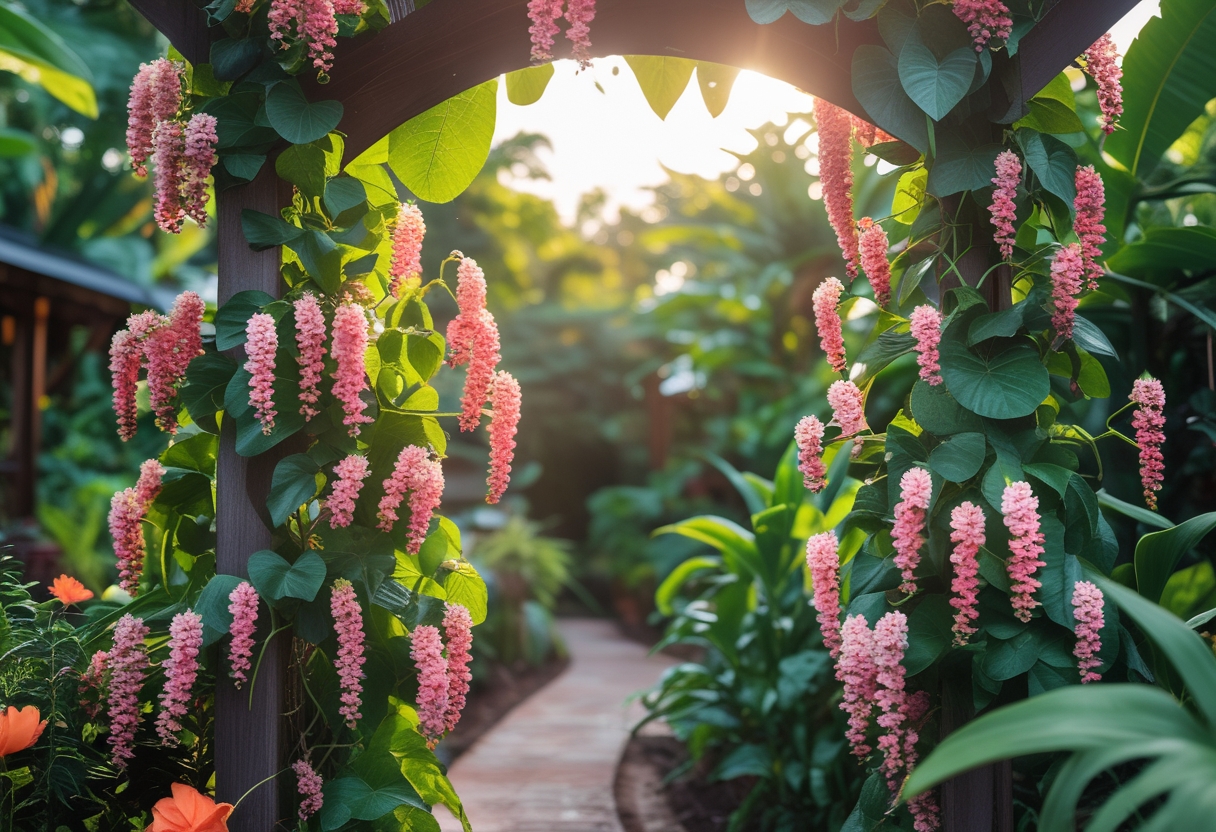
Where you plant your Rangoon Creeper makes a real difference. The right region and the right garden spot decide if your vine will thrive or just limp along.
Where It Performs Best in Tropical and Subtropical Climates
The vine, also called Burma Creeper, Chinese Honeysuckle, or Madhumalti, really shines in:
- South Florida: Year-round warmth and humidity make this a top region.
- Gulf Coast (Louisiana, Mississippi, Alabama coastal areas): High humidity and long summers produce excellent results.
- Hawaii: Near-perfect conditions for continuous blooming.
- Southern Texas (Rio Grande Valley): Strong performance with some afternoon shade.
These places offer the long frost-free seasons and steady warmth the vine craves for nonstop growth.
Using Walls, Trellises, Pergolas, and Fences to Create Better Conditions
A south-facing or west-facing wall soaks up heat during the day and radiates it at night, keeping things warmer for your vine. In zone 9, this little boost can mean the difference between frost damage and a healthy plant.
Sturdy trellises and pergolas help air move through, which cuts down on fungal problems in muggy climates. Rangoon Creeper can hit 25 to 30 feet, so give it a support that can handle that much vine.
How Microclimates Extend Success in Borderline Areas
If you’re in zone 8b or zone 9a, start by scouting out the warmest microclimates in your yard. These might be:
- Sheltered corners between buildings
- South-facing walls that bounce back warmth
- Spots protected from chilly north winds
- Areas near paved surfaces that soak up and hold heat
Pairing these warm spots with the ability to move containers around really boosts your odds of growing this vine beyond its usual range.
Container Growing and Cold-Climate Workarounds
Containers let you dodge the limitations of cold climates in a way that planting in the ground just can’t. With a bit of planning, you can coax Rangoon Creeper to thrive even in zones where it’d usually struggle.
When Pots Are Better Than In-Ground Planting
Go for containers if you’re gardening in USDA zone 8 or colder. Even in zone 9, pots make sense if your spot gets hard freezes now and then.
Pick a pot that holds at least 15 to 20 gallons and has drainage holes. That gives the roots room to stretch and support good top growth during the warm months. Lightweight resin or fiberglass pots are way easier to move around than heavy ceramic or concrete ones, trust me.
Overwintering Strategies in Cooler Zones
When nighttime lows start dipping below 50°F on a regular basis, haul your container inside. Set it near a bright, south-facing window if you can.
Some handy overwintering tips:
- Water just once every 7 to 10 days
- Keep the plant away from heating vents and cold drafts
- If it drops some leaves, don’t panic—that’s normal during dormancy
- Hold off on fertilizer until spring, when you move the plant back outside
- Prune back leggy stems before bringing it in—makes the whole process less awkward
Once nights stay above 55°F in spring, you can resume regular care.
Signs the Plant Is Struggling Outside Its Preferred Climate
Keep an eye out for these signals if you’re pushing Rangoon Creeper into chillier territory:
- Leaves turning pale or yellow (and you haven’t been overwatering)
- Persistent leaf drop when it’s not winter dormancy time
- No blooms even though you’re giving it enough sun and food
- Slow or zero new growth during the active season
- Blackened stems after a cold night
If you spot a few of these issues at once, your plant probably needs more warmth or better shelter from the cold.
Growth Habit, Blooming Cycle, and Practical Expectations
Your climate shapes how big this vine gets, how fast it grows, and how many blooms you’ll see. It’s worth setting realistic expectations so you don’t end up disappointed or overcrowded.
How Climate Influences Vine Size and Flowering Speed
In its favorite zones (10 and 11), Combretum indicum can hit 25 to 30 feet and puts on a heavy bloom show from late spring to fall. In zone 9, expect a shorter vine—maybe 10 to 15 feet—with a tighter blooming window.
Container-grown plants usually max out around 8 to 12 feet, even with big pots. Shorter seasons in cooler places mean less time for the vine to bulk up.
Young Rangoon Creepers start off looking pretty shrubby. The climbing habit only kicks in after a year or two of growth.
What to Expect From Color-Changing Blooms
Rangoon Creeper flowers open white, shift to pink, then turn red over two or three days. You’ll often see all three colors on one cluster at the same time—makes for a pretty wild display.
The blooms hang in loose clusters and smell sweet, especially in the evenings. Warm, humid weather brings out bigger flower shows and richer colors. If it’s cool, the color changes slow down and the reds aren’t quite as bold.
Common Names and Botanical Identity Readers Should Know
This vine goes by a bunch of names, depending on where you are:
| Common Name | Region of Use |
|---|---|
| Rangoon Creeper | General English |
| Madhumalti | India (Hindi) |
| Akar Dani | Malaysia |
| Irangan Malli | South India (Tamil) |
| Chinese Honeysuckle | General English |
| Burma Creeper | General English |
The plant belongs to the Combretaceae family. The current accepted botanical name is Combretum indicum, though you’ll still see “Quisqualis indica” on nursery tags and in garden books. Same plant, just an older label.
Frequently Asked Questions
Which USDA hardiness zones are suitable for this vine to thrive outdoors year-round?
Zones 10 and 11 are your best bet for year-round outdoor growth. In zone 9, you might get away with it in a sheltered spot, but expect some dieback if there’s a cold snap.
What minimum winter temperature can it tolerate without significant damage?
Rangoon Creeper can handle dips to about 30°F for a short time, but the leaves drop at the first frost. If temps stay below 50°F, growth slows a lot, and anything below freezing can kill stems right back to the roots.
What temperature, humidity, and rainfall range produces the best growth and flowering?
Daytime temps between 68°F and 85°F, with nights above 60°F, seem ideal. Humidity over 50% and regular watering (or rainfall) during the growing season give you the most flowers. If it gets over 95°F for long stretches, you’ll probably need to add some afternoon shade and water more often.
Can it be grown successfully in California's coastal or inland climates, and what adjustments are needed?
Coastal Southern California (zones 10a to 10b) is pretty much perfect for Rangoon Creeper—no big adjustments needed. Inland valleys with blazing summers require some afternoon shade and extra water. If you’re in Northern California’s cooler coastal areas, in-ground planting won’t work, but containers do fine if you bring them inside for winter.
How well does it perform in Texas heat and humidity, and what siting helps it flourish?
South Texas, especially the Rio Grande Valley and Gulf Coast, gives this vine exactly what it wants. The heat and humidity are just right. Try planting it against an east- or south-facing wall, with some afternoon shade if your summers hit 100°F regularly. If you’re farther north or in central Texas, containers are the way to go.
Does it become invasive in warm regions, and what climate factors increase that risk?
Rangoon Creeper can get out of hand in frost-free tropical areas where nothing really checks its growth. In zones 10 and 11, steady rainfall and warmth let it self-seed and wander outside its intended spot.
Regular pruning and pulling off seed pods help keep it in check. In zone 9 or cooler, winter cold steps in and keeps it from spreading too much, so invasiveness just isn't much of a worry there.
DISCLAIMER
This document is provided for general information purposes only and should not be relied upon as providing legal advice, technical, or specific operational guidance to the reader, whether as to the practices described in the document or the applicable legal requirements and regulations. Lawnfly.com expressly disclaims any responsibility for liability arising from or related to the use or misuse of any information in this document.


