Early Spring Vegetables and Flowers You Can Plant Before Your Last Frost

Spring gardening starts earlier than most people think. Many vegetables and flowers thrive in cooler temperatures and actually prefer being planted weeks before your last frost date.
Cold-hardy crops can handle light frosts and even benefit from the cool moist soil of early spring. Getting these plants in the ground early gives you a head start on the growing season.
This comprehensive guide covers everything you need to know about early spring planting. You'll learn which crops tolerate frost, when to plant based on your frost date, and how to ensure successful harvests.
Get Your Free Spring Planting Calendar
Download our printable planting schedule customized for your frost zone. Never miss the perfect planting window again.
Understanding Your Last Frost Date and Planting Windows
Your last frost date determines your entire spring planting schedule. This date represents when your area typically experiences its final frost of the season.
Most gardening advice references this crucial date. You'll see instructions like "plant two weeks before last frost" or "sow seeds four weeks last frost date."

How to Find Your Frost Date
Local agricultural extensions provide accurate frost date information. Enter your zip code on their websites to find your specific dates.
The National Weather Service maintains historical frost data. This information shows average dates based on decades of weather patterns.
Remember that frost dates are averages, not guarantees. Weather varies from year to year, so some flexibility in your planting schedule helps.
Planning Your Spring Garden Timeline
Cold-hardy vegetables can go in the ground four to six weeks before your last frost. These crops actually prefer cooler temperatures for germination and growth.
Some vegetables tolerate even earlier planting. Peas and spinach can be planted as soon as soil workable, often six to eight weeks last frost.
Flowers vary in their cold tolerance. Hardy annuals like pansies can be transplanted early, while tender flowers need to wait until after frost danger passes.
Early Planting Benefits
- Longer harvest period for spring crops
- Better pest resistance in cool weather
- Higher quality vegetables from cool growing conditions
- Earlier blooms from cold-tolerant flowers
Timing Considerations
- Soil temperature affects seed germination
- Excessive moisture can rot seeds in cold soil
- Transplants need hardening off before planting
- Sudden cold snaps may require temporary protection
Best Early Spring Vegetables for Cold Weather Planting
Certain vegetables thrive when planted early in spring. These cold-hardy crops can withstand frost and prefer growing in cooler temperatures.
Understanding which vegetables tolerate cold helps you maximize your growing season. Early planting means earlier harvests and better quality produce.

Peas: The Ultimate Cold-Weather Crop
Peas rank among the first vegetables you can plant in early spring. These hardy crops germinate in soil as cool as 40 degrees Fahrenheit.
Direct sow seeds as soon as soil workable, typically six to eight weeks last frost. Peas actually produce better in cooler temperatures and decline in hot weather.
Sugar snap peas and snow peas offer edible pods. Shelling peas provide sweet peas inside tougher pods that you remove before eating.
Planting Tip: Soak pea seeds overnight before planting to speed germination. Plant seeds two inches apart and one inch deep in well-drained soil.
Lettuce and Leafy Greens for Continuous Harvest
Lettuce thrives in the cool moist conditions of early spring. These fast-growing greens can be harvested by cutting outer leaves while the plant continues producing.
Start seeds indoors four to six weeks before your last frost date. Transplant seedlings outdoors two to four weeks last frost for earlier harvests.
You can also direct sow seeds directly into the garden. Plant every two weeks for continuous harvests throughout spring and early summer.
Leaf lettuce matures fastest, ready to harvest in about 30 days. Romaine and butterhead varieties need slightly longer growing periods.
Spinach: Nutrient-Dense Spring Favorite
Spinach loves cold weather and actually tastes sweeter after light frosts. This vegetable can be planted as soon as the ground thaws.
Sow seeds directly in the garden four to six weeks before last frost. Spinach germinates best in soil temperatures between 35 and 75 degrees.
Harvest outer leaves when they reach usable size. The plant continues producing new leaves from the center for extended harvests.

Radishes: Quick-Growing Root Vegetables
Radishes mature incredibly fast, often ready to harvest in just 25 days. These root vegetables tolerate frost and grow well in cooler temperatures.
Direct sow seeds two to four weeks before your last frost. Plant seeds half an inch deep and thin seedlings to two inches apart.
Radishes prefer consistent moisture and cool weather. Hot temperatures cause them to become woody and excessively spicy.
Cabbage Family Vegetables
Cabbage, broccoli, and cauliflower are all cold-hardy members of the brassica family. These vegetables can handle frost once established.
Start seeds indoors six to eight weeks before your last frost date. Transplant seedlings to the garden three to four weeks last frost.
Young transplants need hardening off before planting. Gradually expose them to outdoor conditions over seven to ten days.
Protect transplants from cutworms by placing collars around stems. These pests can destroy young cabbage family plants overnight.
Kale and Other Hardy Greens

Kale tolerates frost better than most vegetables. This nutrient-dense green actually tastes sweeter after cold exposure.
Plant transplants or direct sow seeds four to six weeks before last frost. Kale grows steadily in cool spring weather.
Carrots for Spring Harvest

Carrots germinate slowly but tolerate cold soil well. These root vegetables can be sown as soon as ground can be worked.
Direct sow seeds three to five weeks before your last frost. Keep soil moist until germination, which takes 14 to 21 days.
Onions and Scallions

Onions develop best when planted in early spring. These hardy vegetables need cool weather to develop strong root systems.
Plant onion sets or transplants four to six weeks before last frost. They tolerate light frosts and prefer cooler temperatures for initial growth.
Hardy Flowers That Bloom Before Last Frost
Many beautiful flowers tolerate cold and can be planted weeks before your last frost date. These hardy blooms bring color to your garden while temperatures remain cool.
Cold-tolerant flowers often bloom longer than summer annuals. They thrive in spring's cooler temperatures and provide continuous color until heat arrives.

Pansies and Violas for Reliable Color
Pansies tolerate frost and even light snow. These cheerful flowers provide continuous blooms throughout spring and into early summer.
Transplant pansies four to six weeks before your last frost. They establish quickly in cool weather and begin blooming immediately.
Violas are smaller relatives of pansies with similar cold tolerance. Both flowers self-seed readily, returning year after year in many gardens.
Snapdragons: Tall Spikes of Spring Color
Snapdragons grow best in cooler temperatures and can handle light frosts. These vertical flowers add height and drama to spring gardens.
Start seeds indoors eight to ten weeks before last frost. Transplant seedlings to the garden two to three weeks before your frost date.
Tall varieties reach two to three feet and make excellent cut flowers. Dwarf snapdragons work well in containers and front borders.
Sweet Alyssum for Fragrant Groundcover
Sweet alyssum creates low mounds of tiny white, pink, or purple flowers. This plant tolerates light frost and self-seeds abundantly.
Direct sow seeds two weeks before last frost or start indoors earlier. Seeds need light to germinate, so barely cover them with soil.
The honey-scented flowers attract beneficial insects to your garden. Plant near vegetables to support pollination and pest control.

Calendula: Edible and Medicinal Flowers
Calendula produces bright orange and yellow flowers that tolerate frost. These useful flowers are both edible and have medicinal properties.
Direct sow seeds directly in the garden three to four weeks before last frost. Calendula germinates quickly and begins blooming within eight weeks.
Deadhead spent blooms regularly to encourage continuous flowering. The petals can be used fresh in salads or dried for teas.
Primrose for Early Spring Blooms
Primroses bloom in late winter and early spring, often pushing through snow. These perennials return year after year in cooler climates.
Plant transplants as soon as available in spring. Primroses prefer partial shade and consistently moist soil rich in organic matter.
Many varieties exist, offering flowers in nearly every color. They naturalize well in woodland garden settings.
Preparing Your Garden Soil for Early Spring Planting
Proper soil preparation ensures successful early spring planting. Cold, waterlogged soil can rot seeds and damage transplant roots.
Working soil too early can damage its structure. Wait until soil crumbles easily in your hand rather than forming a muddy ball.

Testing Soil Readiness
Squeeze a handful of soil into a ball. If it crumbles when poked, the soil is ready to work.
If the soil forms a sticky ball, it contains too much moisture. Working wet soil compacts it and damages structure for the entire season.
Soil temperature matters as much as moisture. Use a soil thermometer to check temperature before planting seeds.
Improving Soil Structure
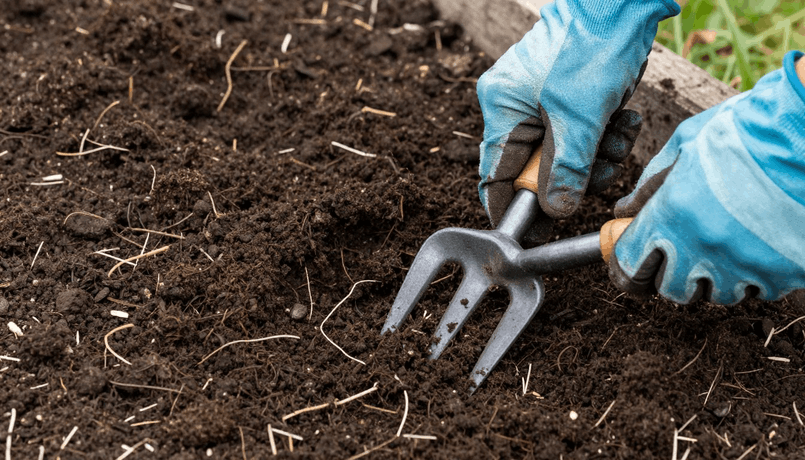
Add compost or aged manure to improve soil structure and fertility. Work organic matter into the top six to eight inches tall of soil.
Heavy clay soils benefit from added compost to improve drainage. Sandy soils need organic matter to retain moisture and nutrients.
Avoid adding fresh manure in spring. It can burn plant roots and introduce weed seeds to your garden.
Benefits of Fall Soil Preparation
- Soil ready to plant as soon as spring arrives
- Organic matter has time to decompose
- Fewer weeds to compete with spring crops
- Better soil structure from freeze-thaw cycles
Spring Soil Preparation Challenges
- Waiting for soil to dry enough to work
- Limited time between soil readiness and ideal planting dates
- Risk of working soil too wet and causing compaction
- Fresh amendments need time to integrate
Creating Raised Beds for Earlier Planting
Raised beds warm up faster than ground-level garden plots. The elevated soil drains better and can be worked earlier in spring.
Build beds in fall for spring planting. Fill with a mixture of topsoil, compost, and other organic matter.
Beds should be four to six inches tall minimum. Deeper beds provide better drainage and warm even faster in spring.
Essential Planting Techniques for Early Spring Success
Proper planting techniques increase success rates with early spring crops. Cold soil and fluctuating temperatures require special consideration.
Different crops need different approaches. Some vegetables should be transplanted while others must be direct sown in the garden.

Direct Sowing Seeds in Cool Soil
Some vegetables must be direct sown because they don't transplant well. Peas, carrots, and radishes fall into this category.
Plant seeds at the proper depth listed on seed packets. Generally, plant seeds two to three times deeper than their diameter.
Keep soil moist but not waterlogged until germination occurs. Cold soil retains moisture longer, so you'll water less frequently than in summer.
Transplanting Seedlings Safely
Hardening off prepares indoor-grown seedlings for outdoor conditions. Gradually expose plants to outdoor weather over seven to ten days.
Start by placing seedlings outside in shade for a few hours. Gradually increase exposure time and sun intensity each day.
Plant on a cloudy day or in evening to reduce transplant shock. Water thoroughly after planting to settle soil around roots.
Protecting Plants from Unexpected Cold
Row covers provide several degrees of frost protection. These lightweight fabrics rest directly on plants or are supported by hoops.
Cold frames extend the growing season by creating a protected microclimate. These simple structures trap solar heat while shielding plants from wind.
Cloches protect individual plants from frost. Use plastic bottles, glass jars, or commercial cloches over tender transplants.
Important: Remove frost protection during the day when temperatures rise above 50 degrees. Trapped heat can damage plants as quickly as cold temperatures.
Succession Planting for Continuous Harvests
Plant small amounts of fast-growing crops every two weeks. This technique provides continuous harvests rather than one large crop.
Succession planting works well for lettuce, radishes, and spinach. These vegetables mature quickly and can be replanted multiple times in spring.
Stop planting when temperatures consistently reach 70 degrees. Cool-season crops decline in quality and bolt in hot weather.
Caring for Early Spring Vegetables and Flowers
Early spring crops need different care than summer vegetables. Cool temperatures and variable weather create unique challenges.
Proper maintenance ensures healthy growth and abundant harvests. Pay attention to watering, fertilizing, and pest management.

Watering Requirements in Cool Weather
Cool spring weather means less frequent watering than summer. Soil retains moisture longer in cooler temperatures.
Check soil moisture by inserting your finger two inches into the ground. Water only when the top inch feels dry.
Overwatering causes more problems than underwatering in spring. Waterlogged soil leads to rot, disease, and poor root development.
Fertilizing Spring Crops Appropriately
Leafy greens need nitrogen-rich fertilizers to support leaf growth. Apply balanced fertilizer at planting and again midseason.
Root vegetables need less nitrogen to avoid excessive top growth. Focus on phosphorus and potassium for strong root development.
Organic fertilizers release nutrients slowly, perfect for cool-season crops. Compost, fish emulsion, and kelp meal work well in spring gardens.
Managing Common Spring Garden Pests
Slugs and snails thrive in cool moist conditions. These pests devour young seedlings overnight, especially lettuce and cabbage.
Handpick pests in early morning when they're most active. Set beer traps or create barriers with copper tape around beds.
Aphids colonize tender new growth on many spring crops. Spray them off with water or use insecticidal soap for heavy infestations.
Row covers prevent many insect pests from reaching plants. Install covers at planting and remove when plants outgrow them or need pollination.
Signs of Healthy Spring Growth
- Deep green leaf color on most vegetables
- Steady new leaf production from center
- Strong stems that resist wind damage
- Active root development visible at soil surface
- Consistent growth rate week to week
Warning Signs of Problems
- Yellow leaves indicating nutrient deficiency or overwatering
- Stunted growth from cold stress or poor soil
- Holes in leaves from insect feeding
- Wilting despite adequate moisture
- Premature bolting from stress
Harvesting Your Early Spring Crops
Knowing when to harvest ensures the best flavor and texture. Many spring vegetables can be harvested young for tender, mild flavor.
Frequent harvesting encourages continued production. Leafy greens and peas produce more when regularly picked.

Harvesting Leafy Greens
Pick outer leaves from lettuce, spinach, and kale while leaving the center intact. This cut-and-come-again method extends harvests for weeks.
Harvest leafy greens in the morning after dew dries. Leaves are crisp and fresh, with full moisture content.
Don't wait too long to harvest. Young leaves taste better and have more tender texture than mature ones.
Timing Pea Harvests
Snap peas are ready when pods are full but still tender. You should be able to see the pea shapes through the pod.
Snow peas should be harvested when pods are flat and peas inside are barely visible. Waiting too long makes them tough and stringy.
Pick peas every day or two during peak production. This keeps plants producing new flowers and pods.
Root Vegetable Harvest Guidelines
Radishes mature quickly, ready to harvest 25 to 30 days after sowing. Pull when roots reach one inch in diameter for best flavor.
Carrots can be harvested at any size, but spring carrots taste sweetest when young. Pull when they reach half to three-quarters of an inch in diameter.
Use a garden fork to loosen soil around root vegetables before pulling. This prevents breaking roots and makes harvesting easier.
Choosing the Best Varieties for Early Spring Planting
Selecting the right varieties makes a significant difference in spring gardening success. Some cultivars are specifically bred for cold tolerance and early maturity.
Seed catalogs indicate which varieties work best for early planting. Look for terms like "cold-hardy," "frost-tolerant," or "early season."

Recommended Lettuce Varieties
Buttercrunch lettuce forms compact heads and tolerates cold well. This variety resists bolting better than many other lettuces.
Black Seeded Simpson is a reliable leaf lettuce for spring planting. It matures in just 45 days and handles frost without damage.
Winter Density combines romaine texture with butterhead cold tolerance. This compact variety works well in small spaces.
Best Pea Varieties for Early Planting
Sugar Snap peas are extremely cold-hardy and productive. These versatile peas work fresh, cooked, or in stir-fries.
Oregon Sugar Pod II produces abundantly even in cool weather. This snow pea variety resists common pea diseases.
Little Marvel shelling peas mature early and produce heavily. The compact vines need minimal support compared to tall varieties.
Top Choices for Spring Flowers
Matrix pansies tolerate cold exceptionally well and bloom profusely. These vigorous plants continue flowering even through light snow.
Rocket snapdragons resist cold and bloom earlier than standard varieties. Their sturdy stems make excellent cut flowers.
Snow Princess sweet alyssum spreads quickly and flowers continuously. This variety tolerates both cold and heat better than traditional types.
| Vegetable/Flower | Recommended Variety | Days to Maturity | Planting Time |
| Lettuce | Buttercrunch | 55 days | 4 weeks before last frost |
| Spinach | Bloomsdale | 40 days | 6 weeks before last frost |
| Peas | Sugar Snap | 60 days | 6-8 weeks before last frost |
| Radishes | Cherry Belle | 22 days | 4 weeks before last frost |
| Kale | Winterbor | 50 days | 4-6 weeks before last frost |
| Pansies | Matrix Series | Transplant | 4-6 weeks before last frost |
Common Problems and Solutions for Early Spring Gardens
Early spring gardening presents unique challenges. Understanding common issues helps you respond quickly and save your crops.
Most problems have simple solutions when caught early. Regular garden monitoring allows you to spot issues before they become serious.
Dealing with Unexpected Hard Freezes
Late spring freezes can damage or kill young plants. Monitor weather forecasts closely during your planting season.
Cover plants when hard freezes are predicted. Use row covers, sheets, or even cardboard boxes to provide protection.
Water plants before a freeze. Moist soil retains heat better than dry soil and helps protect roots.
Remove covers the next morning once temperatures rise. Trapped heat can damage plants on sunny days.
Addressing Slow Growth from Cold Soil
Seeds and transplants grow slowly in cold soil. This is normal and not a sign of problems.
Black plastic mulch warms soil faster in spring. Lay it over beds two weeks before planting to raise soil temperature.
Be patient with germination in cool weather. Seeds may take twice as long to sprout as they would in warmer soil.
Managing Bolting in Spring Greens
Warm spells cause cool-season crops to bolt and become bitter. This happens when plants shift from leaf production to seed production.
Harvest immediately when you notice bolting. The crop quality declines rapidly once flowering stems appear.
Plant bolt-resistant varieties for late spring growing. These cultivars tolerate warmer weather better than standard types.
Provide afternoon shade as temperatures warm. This extends the harvest window for lettuce and spinach.
Weather Watch: Sudden temperature swings stress spring crops more than consistently cold weather. Protect plants during volatile spring weather patterns.
Extending Your Spring Growing Season
Simple techniques extend both ends of the spring growing season. Start earlier and harvest later with basic season extension methods.
These methods don't require expensive equipment. Most gardeners can implement them with materials found at home improvement stores.

Using Row Covers Effectively
Floating row covers create a warmer microclimate around plants. They trap heat while allowing water and air to penetrate.
Install row covers at planting time for maximum benefit. Secure edges with soil, rocks, or ground staples to prevent wind damage.
Lightweight covers provide three to five degrees of frost protection. Heavier fabrics offer up to eight degrees but reduce light penetration.
Building Simple Cold Frames
Cold frames are essentially bottomless boxes with transparent tops. They capture solar energy and protect plants from wind and frost.
Build frames from scrap lumber and old windows. Position them facing south for maximum sun exposure.
Vent cold frames on sunny days to prevent overheating. Even in spring, trapped heat can reach damaging levels.
Creating Portable Cloches
Individual plant protection allows targeted season extension. Cover specific plants that need extra warmth or frost protection.
Cut plastic bottles in half to create simple cloches. Remove the cap to provide ventilation on warm days.
Wall-o-water products surround plants with water-filled tubes. The water absorbs heat during the day and releases it at night.
Start Your Spring Garden Early for Best Results
Early spring planting gives you a significant advantage in the garden. Cold-hardy vegetables and flowers thrive when planted before your last frost date.
Success comes from choosing appropriate crops and varieties for cool weather. Proper soil preparation and planting techniques ensure healthy growth despite fluctuating temperatures.
Monitor weather forecasts and be ready to protect plants from unexpected freezes. Simple season extension methods provide insurance against late spring cold snaps.
With the right knowledge and preparation, you can enjoy fresh vegetables and beautiful flowers weeks earlier than gardeners who wait for warm weather. Start planning your early spring garden today and experience the benefits of cold-weather planting.
DISCLAIMER
This document is provided for general information purposes only and should not be relied upon as providing legal advice, technical, or specific operational guidance to the reader, whether as to the practices described in the document or the applicable legal requirements and regulations. percussionpros.com expressly disclaims any responsibility for liability arising from or related to the use or misuse of any information in this document.