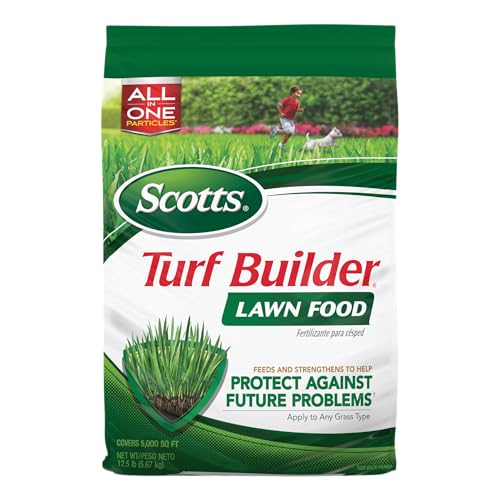
Why Fall Fertilizer Is Important for Strong Root Growth

As summer heat fades, grass begins a key recovery phase. This season gives us time to nourish turf and build deep roots before winter dormancy. Proper fall lawn care supports strong growth in spring.
Choosing the best fall fertilizer starts with your soil needs and grass variety. Nutrient-rich applications help grass survive cold temperatures and prepare for a lush comeback. Check labels, apply products at the right time, and use safe spreading techniques.
Follow these steps to keep your lawn healthy through changing seasons. We can help you make informed choices that keep your yard thriving year-round.
Key Takeaways
- Fall serves as a vital period for root development and summer recovery.
- Proper nutrition prepares grass to survive winter and support early spring green-up.
- Soil conditions and grass types determine which products work best.
- Timing applications strategically maximizes nutrient absorption and minimizes waste.
- Safe spreading practices protect both your environment and your local ecosystem.
Assess Our Lawn Before Choosing Fall Fertilizer
First, learn what our lawn needs to keep it thick and green. Before buying any lawn fertilizer, we should study our turf's needs. This helps us provide the right nutrients at the right time.
Identify Our Grass Type and Growing Region
Our region helps determine our grass type and maintenance schedule. We should learn whether our lawn prefers cool temperatures or summer heat.
Cool-Season Grasses for Northern Lawns
In the northern United States, we often grow cool-season grass varieties like Kentucky Bluegrass or Fescue. These grasses grow fastest during crisp autumn months. Proper nutrients help them recover from summer stress and build strong roots before winter.
In the South, many lawns contain warm-season grass types such as Bermuda or Zoysia. They begin to go dormant as temperatures drop. Late-season nitrogen may force growth when these grasses should prepare for winter rest.
Check Lawn Conditions That Affect Fertilizer Needs
Grass type isn't the only factor; soil health also affects fertilizer results. Inspect your yard for signs of stress or neglect.
Thin Growth, Pale Color, and Slow Recovery
Thin patches or pale, yellowing grass may signal low nitrogen. Slow recovery after mowing is another strong indicator of weak grass energy. If the soil is healthy, targeted lawn fertilizer may correct these problems.
Thatch, Compaction, Weeds, and Disease Symptoms
We should inspect for thick thatch and compacted soil, which can block nutrients from reaching roots. Weeds or fungal disease should be treated before we fertilize. Extra nutrients can sometimes worsen a diseased lawn.
| Grass Category | Primary Growth Season | Fall Fertilizer Strategy |
|---|---|---|
| Cool-Season | Spring and Fall | Apply for root development |
| Warm-Season | Summer | Avoid late-season nitrogen |
| Mixed/Transition | Variable | Monitor local soil temps |
How to Choose the Best Fall Fertilizer for a Healthy Lawn
Choosing the best fall fertilizer requires basic knowledge of plant nutrition and timing. By reading labels, we can give grass what it needs to survive winter and thrive in spring.
Compare the N-P-K Numbers on Fertilizer Labels
Every bag of lawn fertilizer shows three prominent numbers called the N-P-K ratio. An NPK fertilizer label lists the percentages of nitrogen, phosphorus, and potassium.
Why Nitrogen Supports Fall Leaf and Root Growth
Nitrogen drives green, leafy growth. In autumn, a high-quality nitrogen fertilizer helps grass recover from summer heat stress. It also encourages deep roots, which support long-term plant health.
When Phosphorus and Potassium Are Actually Needed
Phosphorus supports root establishment, but use it only when a soil test shows deficiency. Many modern lawns don't need extra phosphorus, so a phosphorus-free fertilizer helps protect local water quality. In contrast, potassium fertilizer often helps in fall by improving cold and disease resistance.
Choose Between Quick-Release and Slow-Release Nitrogen
The nitrogen type controls how quickly nutrients reach the soil. This difference helps us manage our lawn's growth rate.
Benefits and Drawbacks of Fast-Acting Nitrogen
A quick-release fertilizer gives grass an immediate green-up. It supports fast recovery but can burn the lawn if applied too heavily. It can also cause sudden growth, requiring more frequent mowing.
How Controlled-Release Nitrogen Reduces Growth Surges
A slow-release fertilizer feeds grass gradually over several weeks. This steady supply supports root growth without rapid top growth. It suits a balanced, low-maintenance lawn care routine.
Recognize Common Fall Fertilizer Formulas
Manufacturers create products for seasonal changes. Knowing which formula to choose makes shopping easier.
Standard Lawn Fertilizer for Routine Feeding
Standard formulas support general maintenance during the growing season. They provide balanced nutrients that keep grass healthy and dense.
Winterizer Fertilizer for Cold-Season Preparation
A winterizer fertilizer prepares grass for dormancy. These products often contain more potassium, which strengthens cell walls against frost. A dedicated winterizer helps lawns wake faster and stronger after snow melts.
| Fertilizer Type | Primary Benefit | Best Use Case |
|---|---|---|
| Quick-Release | Fast green-up | Immediate recovery |
| Slow-Release | Steady growth | Long-term health |
| Winterizer | Cold resistance | Late autumn prep |
| Phosphorus-Free | Eco-friendly | Established lawns |
Test Our Soil and Calculate the Right Fertilizer Amount
A lush, green lawn starts with knowing our soil's chemistry. Instead of guessing, we can use a soil test to make a focused plan. It feeds our grass what it needs to thrive through winter.
Use a Soil Test to Find Nutrient Gaps
Collect Representative Soil Samples
For accurate results, we must collect samples from several spots across our yard. Dig about four to six inches deep. Avoid driveways and sidewalks, where debris may skew the data.
After gathering a cup of soil from at least ten different locations, we mix them in a clean plastic bucket. This representative sample provides a clear picture of our lawn's overall health.
When the lab results arrive, we check the soil pH. Most grasses prefer slightly acidic to neutral soil, which helps them absorb nutrients.
We also check nitrogen, phosphorus, and potassium levels. These numbers help us choose the right NPK fertilizer for deficiencies in our yard.
Calculate Fertilizer Based on Lawn Size and Label Rates
Measure the Lawn Area Accurately
Before buying any product, we need our total square footage. Divide the lawn into rectangles or circles to calculate the area more easily.
Calculate the Required Product and Nitrogen Amount
Check the fertilizer application rate listed on the bag. The bag's weight does not match the actual nitrogen delivered to the soil.
Avoid Nutrient Overapplication
Prevent Fertilizer Burn and Excessive Fall Growth
Too much product can cause fertilizer burn, which damages grass roots. We should also avoid excessive growth, which makes our lawn vulnerable to early frost damage.
Follow Local Rules for Nitrogen and Phosphorus Use
Many regions now require the use of a phosphorus-free fertilizer to protect local water supplies. We always check local regulations and act as responsible environmental stewards.
| Nutrient | Common Deficiency Sign | Soil Test Indicator |
|---|---|---|
| Nitrogen | Yellowing grass blades | Low N levels |
| Phosphorus | Stunted root growth | Low P levels |
| Potassium | Weak disease resistance | Low K levels |
| pH Balance | Poor nutrient uptake | pH below 6.0 or above 7.5 |
Prepare Our Lawn Before Applying Fertilizer

Proper turf preparation helps nutrients reach the roots. Clearing debris and changing our care habits helps fertilizer work well. Taking these small steps now will pay off with a healthier lawn next spring.
Mow at the Correct Height for Our Grass
Maintaining the proper grass mowing height supports healthy plants. Cutting grass too short stresses roots and allows weeds to spread.
Recommended Height for Cool-Season Lawns
For cool-season grasses like Kentucky bluegrass or fescue, we should aim for 3 to 4 inches. Longer blades hold moisture and shade the soil.
Recommended Height for Warm-Season Lawns
Warm-season grasses, such as Bermuda or Zoysia, prefer a shorter cut between 1.5 and 2.5 inches. Avoid scalping, which can damage the plant crown.
Remove Leaves and Improve Soil Contact
Fertilizer cannot reach soil beneath a thick layer of fallen leaves. Clear the surface so granules touch the earth directly.
Rake or Mulch Leaves Without Smothering the Turf
Raking clears debris most effectively, but mowing can mulch leaves and return nutrients. Avoid thick piles that block sunlight and trap moisture, causing fungal issues.
Dethatch Only When the Thatch Layer Is Excessive
Thatch is organic matter between the grass and soil. Dethatch only when it exceeds half an inch, since aggressive removal can harm roots.
Water and Aerate When Conditions Call for It
Hard, compacted soil blocks nutrients from reaching roots. Proper lawn aeration helps break up this dense soil.
Aerate Compacted Soil Before Fertilizing
A core aerator lets air, water, and fertilizer move deep into the ground. It helps high-traffic areas where summer use has compacted the soil.
Apply Fertilizer to Slightly Moist, Actively Growing Turf
Apply fertilizer while the grass still shows signs of growth. Slightly moist soil helps granules dissolve and reach the root zone efficiently.
Apply Fall Fertilizer Safely and Evenly
Once our fertilizer is ready, we must spread it evenly and safely across the grass. A consistent fertilizer application rate prevents uneven growth and gives our lawn the nutrients it needs through winter.
Step 1: Calibrate Our Broadcast or Drop Spreader
Set the Spreader According to the Product Label
Before we begin, we must check the bag for recommended settings. Most manufacturers provide specific numbers for a fertilizer spreader to control product flow.
Test the Spreader Over a Measured Area
Test your equipment over a small, measured patch of grass. This step confirms the output matches our expectations before we cover the entire yard.
Step 2: Distribute Fertilizer in Overlapping Passes
Apply Half the Product in One Direction
Apply half the total fertilizer in one direction, such as north to south. This method prevents missed spots while we maintain a steady pace.
Apply the Remaining Half Crosswise
Next, apply the remaining half perpendicular to the first pass, moving east to west. This crosswise pattern removes streaks and spreads fertilizer evenly across the lawn.
Step 3: Keep Granules Away From Hard Surfaces
Sweep Fertilizer Off Driveways, Sidewalks, and Patios
Granules may bounce onto hard surfaces during application. Sweep them onto the grass at once to prevent waste and staining.
Protect Storm Drains, Streams, and Nearby Waterways
Keep granules away from storm drains and water sources. Preventing fertilizer runoff protects our local environment and keeps water clean.
Step 4: Water According to the Fertilizer Instructions
Wash Granules Into the Root Zone Without Creating Runoff
After application, light watering often moves nutrients into the soil. Use a gentle spray so the product reaches the root zone without causing fertilizer runoff.
Pause Application Before Heavy Rain or Frozen Soil
Timing matters for lawn health. Avoid fertilizer when heavy rain is forecast or the ground is frozen, because these conditions prevent proper absorption.
- Always wear gloves and protective gear.
- Double-check the fertilizer application rate before starting.
- Store any leftover product in a cool, dry place.
Time Fertilizer Application Around Fall Weather

Our best results come when we match our lawn fertilization schedule with seasonal changes. Instead of following a fixed date, we watch for signs that the grass needs nutrients. This makes our fall lawn care both safe and effective for the turf.
Schedule the Main Application While Grass Is Still Growing
Use Soil Temperature and Growth Patterns as Guides
We check soil temperatures to time feeding right. When soil cools, but grass still grows, roots absorb nutrients well. We apply a high-quality potassium fertilizer to help the plant face winter.
Apply Before Consistent Freezing in Cool-Season Regions
For cool-season grass, we apply the final feeding before the ground freezes solid. In many regions, this means late October or early November. At this stage, winterizer fertilizer helps grass store energy for quick spring green-up.
Adjust Timing for Warm-Season Lawns
Feed Before Dormancy Without Stimulating Late Tender Growth
Warm-season grass needs a different plan because it prepares for winter dormancy. We give it one light, final feeding while it remains green but slows down. This supplies nutrients without forcing tender blades that frost could damage.
Avoid Late Nitrogen Applications After Growth Stops
We avoid heavy nitrogen fertilizer after the grass enters dormancy. Late nitrogen can weaken the plant's natural cold-weather defenses. Stopping at the right time protects our lawn's long-term health.
Coordinate Fertilizer With Overseeding and Other Lawn Work
Allow New Seedlings to Establish Before Heavy Feeding
After overseeding, we wait before changing our fertilization plan. New seedlings must build strong roots and receive at least two mows. This helps prevent concentrated nutrients from burning delicate young grass.
Separate Fertilizer From Herbicide Applications When Required
We also manage weeds as part of our feeding routine. We separate fertilizer and herbicide treatments when the products aren't meant to be used together. This prevents chemical stress and helps us avoid unwanted side effects.
Choose Safer Products and Monitor Our Lawn’s Response
Once we have a plan, we need the right products and careful monitoring of our lawn's response. Choosing wisely protects long-term soil health and the environment.
Compare Granular, Liquid, Organic, and Synthetic Options
We often choose granular or liquid products based on the tools we have available. Granular products suit broadcast spreaders, while liquid products need sprayers and work faster but for less time.
Match Product Type to Our Equipment and Schedule
If we have a busy schedule, a slow-release fertilizer is often our best choice. It feeds grass for several weeks, reduces applications, and lowers fertilizer runoff during heavy rains.
Understand the Gradual Nutrient Release of Organic Products
Organic lawn fertilizer helps improve soil structure over time. Unlike quick-release synthetic products, it breaks down slowly, supports soil microbes, and promotes deep roots.
| Product Type | Release Speed | Best Use |
|---|---|---|
| Synthetic | Fast | Quick green-up |
| Organic | Slow | Long-term soil health |
| Slow-Release | Steady | Consistent growth |
Protect Children, Pets, and Beneficial Soil Life
Prioritizing fertilizer safety keeps our yard welcoming for everyone. We must read the manufacturer's instructions for each product.
Store and Handle Fertilizer According to the Label
Store all bags in a cool, dry place out of reach. Handle with care to prevent spills that could cause fertilizer runoff into storm drains or water supplies.
Keep People and Pets Off Treated Areas as Directed
Follow the package waiting period before allowing children or pets onto the lawn. Organic lawn fertilizer may offer peace of mind, but follow its guidelines for maximum safety.
Watch for Signs of Success or Application Problems
After applying nutrients, we should watch the lawn closely. A deep green color and strong roots show our strategy is working.
Healthy Color and Root Growth After Application
We know we succeeded when grass thickens and resists minor drought stress. Steady growth shows the lawn received the right amount of nutrients.
Yellowing, Burned Blades, Runoff, or Excessive Growth
Yellow or burned blades may mean we applied too much product in one spot. Excessive growth can signal an imbalance, so adjust future application rates.
Conclusion
Creating a healthy lawn takes careful planning, science, and seasonal timing. By considering your grass type, regional climate, and soil test results, we can build a long-term plan.
Nitrogen and potassium help build strong roots and support quick spring recovery. Use phosphorus only when soil tests or local regulations show a real need. This careful approach protects the environment while supporting plant growth.
Effective fall lawn care depends on accurate application and runoff prevention. We must watch our grass closely and note how it responds to the products we choose. Regular observation helps us adjust our methods for better results each year.
Our work during these cooler months prepares the yard for vibrant growth. Please share your experiences with different fertilizer brands or techniques in the space below. Your insights help our community grow better landscapes together.
FAQ
Q: When is the best time for us to apply fall fertilizer to our lawn?
Q: What do the N-P-K numbers on a bag of Scotts Turf Builder WinterGuard mean for our lawn?
Q: Should we choose a slow-release or quick-release fertilizer for our fall application?
Q: Why is it important for us to perform a soil test before fertilizing?
Q: How do we calculate how much fertilizer we actually need to buy?
Q: Do we need to mow or rake before we spread our fertilizer?
Q: Is it safe for our pets and children to play on the lawn after we fertilize?
Q: How do we ensure an even application without leaving stripes in our grass?
Q: Should we water our lawn immediately after applying fall fertilizer?
DISCLAIMER
This document is provided for general information purposes only and should not be relied upon as providing legal advice, technical, or specific operational guidance to the reader, whether as to the practices described in the document or the applicable legal requirements and regulations. Lawnfly.com expressly disclaims any responsibility for liability arising from or related to the use or misuse of any information in this document.