
Why Lawns Turn Brown Without Enough Water

A lush, green lawn is a beautiful sight in summer. But keeping it healthy as temperatures rise is tough. With concerns about water usage growing, it's easy to think a vibrant yard isn't worth it.
Yet, sustainable lawn care practices can make a big difference. By using eco-friendly lawn care tips, you can have a beautiful lawn while also conserving water.
Keeping your lawn healthy doesn't have to be hard or wasteful. With the right lawn care tips, you can have a lush, green yard without wasting water.
Key Takeaways
-
Adopt sustainable lawn care practices to reduce water consumption.
-
Use eco-friendly lawn care tips to keep your yard healthier.
-
Maintain a lush, green lawn without overwatering.
-
Use efficient watering techniques to conserve water.
-
Choose drought-resistant grass species for your lawn.
Understanding Your Lawn's Water Needs
Determining the optimal amount of water for your lawn can be challenging. It's all about knowing what your lawn needs to stay healthy and look good.
Factors Affecting Lawn Water Requirements
Several factors affect the amount of water your lawn needs. These include climate, soil type, and the root system of your grass. Each one is important for the best watering plan.
How Climate and Soil Type Impact Watering Needs
Climate and soil type are key. Lawns in hot climates require more water, while those in cooler climates need less. Sandy soil dries out quickly and needs more frequent watering, while clay soil retains water longer.
The Root System and Water Absorption
Your grass's root system is crucial, too. Grass with deep roots can get water from deeper in the soil, making it more drought-resistant. Knowing this helps you use effective lawn watering techniques that encourage deep root growth.
Signs of Overwatering vs. Underwatering
Keeping your lawn green and healthy means finding the right watering balance. Knowing lawn watering best practices is key to green lawn maintenance. The main challenge is knowing whether your lawn gets too much or too little water.
Visual Indicators of an Overwatered Lawn
An overwatered lawn, such as yellow or brown grass, shows signs of overwatering. It might also contract fungal diseases or attract pests. The grass feels soft and squishy, which means the roots are rotting.
Symptoms of Drought Stress in Grass
Underwatering causes drought stress, which leaves grass dry and brittle. The grass may turn gray or blue, develop bare spots, and wilt.
How to Perform a Simple Soil Moisture Test
To check if your lawn needs water, do a simple soil test. Stick a screwdriver or soil probe into the ground. If it goes in easily, the soil is moist. If not, it's time to water. This method helps you adjust your watering schedule according to the soil's needs, following drought-resistant lawn care tips.
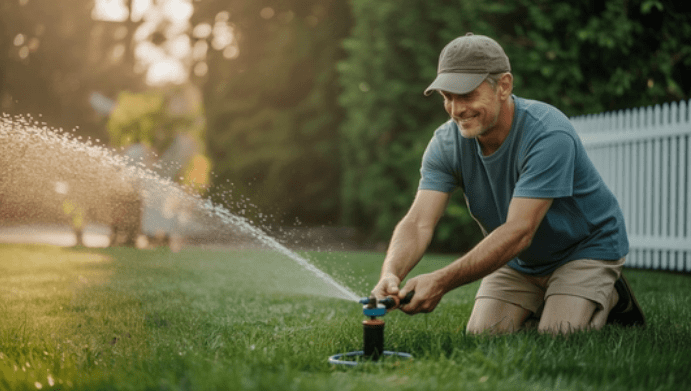
How to Keep Your Lawn Green Without Overwatering
Use smart watering methods to keep your lawn lush without wasting water. Understand what your lawn needs. This will help you help it grow strong and save water.
The Deep and Infrequent Watering Method
Watering deeply but not often helps your lawn grow strong roots. This helps it handle dry spells. Water your lawn thoroughly, then allow the soil to dry before watering again. This encourages deeper roots, making your lawn more drought-resistant.
Optimal Watering Times for Maximum Efficiency
Watering early in the morning is best. It reduces evaporation and disease risk. This way, water goes deep into the soil, reaching the roots where it's most needed.
Adjusting Watering Schedules by Season
Adjust your watering schedule according to the seasons. In hot weather, your lawn might need more water. But in cooler times, it needs less. Keeping up with these changes helps keep your lawn just right.
Using these tips, you can maintain a beautiful lawn without wasting water. This is key for water-efficient lawn care.
Smart Irrigation Techniques and Technologies
Using smart irrigation techniques can change how we care for our lawns. It cuts down on water waste. These methods keep lawns green while saving water.
Technology has made irrigation systems smarter. We can now easily control and check them, which is key to using water wisely.
Modern Sprinkler Systems and Smart Controllers
Modern sprinkler systems equipped with smart controllers adjust watering based on weather and soil conditions. They ensure lawns get the right water at the right time, reducing waste and runoff.
Rain Sensors and Weather-Based Irrigation
Rain sensors stop watering when it rains. Weather-based irrigation controllers adjust schedules based on weather conditions, helping to use water more efficiently.
Drip Irrigation and Soaker Hoses for Problem Areas
Drip irrigation and soaker hoses are great for hard-to-water spots. They water plants directly at the roots, reducing evaporation and runoff, making it perfect for gardens and trees.
Using these smart irrigation techniques helps keep your lawn healthy. We also help save water with water-saving lawn maintenance.
Soil Management for Better Water Retention
Focus on soil management techniques that retain water and support a vibrant lawn. Good soil management keeps the right moisture, which is key to a lush, green lawn.
Effective soil management includes several important practices. These practices improve soil structure and water retention. Core aeration is one of the most helpful practices.
Core Aeration Benefits and Timing
Core aeration removes small plugs of soil and grass. It improves airflow, reduces compaction, and helps with drainage. This lets roots grow deeper, making the lawn more drought-resistant.
Aerating your lawn during the growing season is best. This helps the grass recover quickly.
Improving Soil Structure with Organic Amendments
Adding organic amendments like compost greatly improves water retention. These amendments make the soil more porous, helping it retain more moisture.
This reduces the need for frequent watering. It also boosts the lawn's overall health.
Mulching and Topdressing Techniques
Mulching and topdressing also help keep soil moist. Mulch stops evaporation and keeps the soil cooler, and topdressing with compost or organic matter improves soil structure and fertility.
This makes the lawn healthier and more water-efficient. Using these sustainable landscaping practices, homeowners can have a lawn that needs less water, stays healthy, and looks great.
Grass Selection and Natural Maintenance Practices

Choosing the right grass and using natural care methods are key for a lush lawn. A well-planned lawn care regimen not only improves your outdoor space but also benefits the environment.
Drought-Resistant Grass Varieties for Your Region
Choosing drought-resistant grass helps save water. Buffalo Grass and Blue Grama are great in dry areas. Due to their deep roots, they require less water.
Proper Mowing Heights to Promote Root Growth
Maintaining the right mowing height is crucial for strong root development. Taller grass grows deeper roots, making it more drought-resistant. For cool-season grasses, mow at 3-4 inches.
Natural Fertilization and Weed Management
Natural fertilization and weed management are crucial for maintaining a healthy, green lawn. Organic fertilizers and compost improve soil. Manual weeding and proper mowing can reduce weeds without chemicals.
With these methods, you can have a beautiful, eco-friendly lawn while using less water.
Conclusion: Sustainable Lawn Care for the Future
You can have a lush, green lawn without wasting water. By using water-efficient landscaping, homeowners can help the environment. This approach reduces our impact on the planet.
First, learn how much water your lawn needs. Use smart watering methods and take care of your soil. Choosing the right grass and using natural care methods also helps. This way, you get a green lawn solution for the planet.
By following these healthy lawn practices, you can have a beautiful lawn. This also helps save water. It's a win-win for both your lawn and the environment.
Choosing sustainable lawn care is a step towards a greener future. It combines beautiful lawns with water conservation.
DISCLAIMER
This document is provided for general information purposes only and should not be relied upon as providing legal advice, technical, or specific operational guidance to the reader, whether as to the practices described in the document or the applicable legal requirements and regulations. Lawnfly.com expressly disclaims any responsibility for liability arising from or related to the use or misuse of any information in this document.


