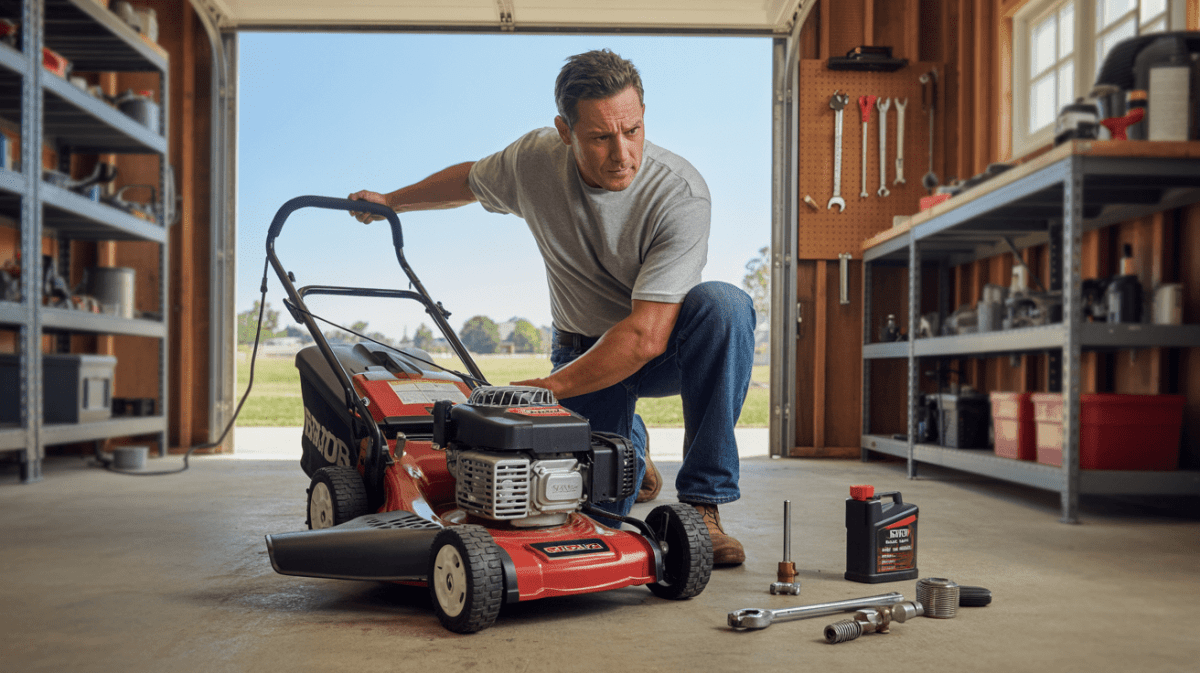
Troubleshooting Common Self-Propelled Mower Issues
Even the best self-propelled lawn mowers occasionally experience performance issues or mechanical problems. Understanding common issues and their solutions helps you quickly address problems without unnecessary service costs or extended downtime. This troubleshooting guide covers the most frequent concerns for both electric and gas self-propelled mowers.
Electric Mower Starting Problems
When an electric self-propelled mower fails to start, several potential causes require systematic investigation:
Battery-Related Starting Issues
- Symptom: Mower doesn't power on at all
- Potential Causes:
- Depleted battery (most common)
- Battery not fully seated in housing
- Dirty or corroded battery contacts
- Battery thermal protection activated
- Battery end-of-life failure
- Solutions:
- Verify battery charge status and recharge if necessary
- Remove and reseat the battery, ensuring it clicks fully into position
- Clean battery and mower contacts with a dry cloth
- Allow overheated battery to cool completely before attempting restart
- Test with alternate battery if available to isolate battery failure
The EGO and Greenworks models feature battery charge indicators that simplify diagnosis of charge-related issues. The EGO POWER+ LM2114SP includes enhanced thermal management that reduces overheating problems even in hot conditions.
Safety System Starting Issues
- Symptom: Battery shows charge but mower won't start
- Potential Causes:
- Safety key not inserted or fully engaged
- Operator presence control is not properly activated
- Safety interlock switch malfunction
- Control panel water intrusion
- Solutions:
- Verify the safety key is correctly inserted and seated
- Check the proper operation of the bail bar or operator presence controls
- Inspect for debris preventing switch activation
- Allow the control panel to dry completely if water exposure is suspected
Modern electric mowers incorporate multiple safety systems that prevent starting unless specific conditions are met. While occasionally frustrating, these systems prevent accidental startup and potential injury. The WORX 40V features particularly clear visual indicators of the safety system's status, simplifying troubleshooting.
Electrical System Failures
- Symptom: Battery and safety systems check out but mower still won't start
- Potential Causes:
- Controller board failure
- Wiring harness damage
- Motor failure (rare)
- Thermal protection activated
- Solutions:
- Allow mower to cool completely if overheated
- Inspect visible wiring for damage
- Reset the system by removing the battery for 10+ minutes
- Contact the manufacturer's service if issues persist
Internal electrical failures typically require professional service; however, the modular design of modern electric mowers, such as the Greenworks models, often allows for component replacement rather than complete mower replacement. Most manufacturers maintain service centers that can diagnose and repair controller or motor issues not addressable by owners.
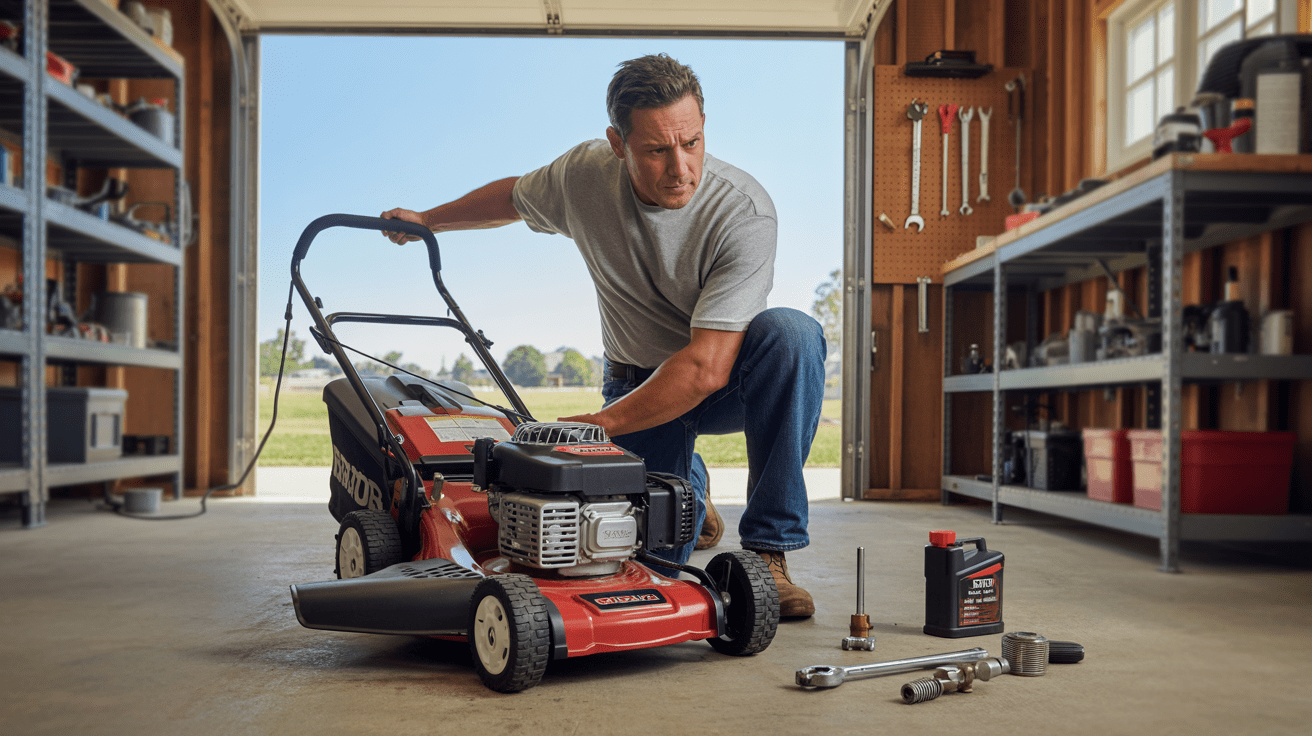
Gas Mower Starting Problems
Gas-powered self-propelled mowers experience different starting issues with distinct causes and solutions:
Fuel System Starting Issues
- Symptom: Engine cranks but won't start or runs briefly then dies
- Potential Causes:
- Stale or contaminated fuel (most common)
- Clogged fuel filter
- Carburetor deposits or maladjustment
- Air leak in the fuel line
- Water in fuel
- Solutions:
- Drain old fuel and replace it with fresh gasoline (preferably ethanol-free or low-ethanol)
- Clean or replace the fuel filter
- Clean the carburetor with an appropriate cleaner or seek professional service
- Inspect and replace cracked or damaged fuel lines
- Add fuel stabilizer to prevent future fuel degradation
Fuel system issues represent the most common starting problems for gas mowers, particularly after storage periods. The BILT HARD's fuel shutoff valve helps prevent many of these issues by allowing the carburetor to be run dry before storage while preserving stabilized fuel in the main tank.
Ignition System Starting Issues
- Symptom: Engine cranks but won't start, no evidence of fuel problems
- Potential Causes:
- Fouled or damaged spark plug
- Incorrect spark plug gap
- Faulty ignition coil
- Loose or corroded electrical connections
- Solutions:
- Remove and inspect the spark plug; replace if fouled or damaged
- Verify spark plug gap matches manufacturer specifications
- Check for spark by using a spark tester tool
- Inspect and clean all electrical connections
Both the AMERISUN and BILT HARD use reliable ignition systems, but spark plugs require regular inspection and occasional replacement as part of normal maintenance. Using the manufacturer-recommended spark plug type and gap setting prevents many ignition-related starting issues.
Air System Starting Issues
- Symptom: Engine starts but runs roughly or stalls under load
- Potential Causes:
- Dirty air filter restricting airflow
- Clogged cooling fins are causing overheating
- Blocked muffler or exhaust ports
- Improper choke operation
- Solutions:
- Clean or replace the air filter
- Clean cooling fins to prevent overheating
- Check and clean the exhaust system
- Verify choke operation and adjustment
The AMERISUN's air cooling system particularly benefits from regular cleaning of cooling fins to maintain optimal operating temperature. Restricted airflow not only affects starting but can lead to overheating that damages internal engine components.
Self-Propulsion System Problems
Issues with the self-propulsion system affect both electric and gas mowers, though the specific causes and solutions may differ:
Drive System Not Engaging
- Symptom: Mower engine/motor runs, but wheels don't drive
- Potential Causes:
- Drive control cable adjustment is incorrect
- Drive belt worn or slipping
- Transmission problems
- Drive clutch not engaging
- Solutions:
- Check and adjust the drive control cable tension
- Inspect drive belt for wear or damage; replace if necessary
- Verify proper transmission fluid level (if applicable)
- Clean the drive clutch components of debris or buildup
The variable-speed systems in models like the EGO POWER+ LM2114SP use electronic controls rather than mechanical linkages, potentially requiring different troubleshooting approaches. Consult the specific owner's manual for model-specific drive system diagnostics.
Inconsistent Drive Speed
- Symptom: Self-propulsion speed varies unpredictably
- Potential Causes:
- Drive control mechanism is worn or damaged
- Variable speed sensor malfunction
- Low battery affecting electric drive systems
- Belt slippage on the pulley system
- Solutions:
- Inspect drive control components for wear or damage
- Clean speed sensor contacts (electric models)
- Check battery charge level on electric models
- Verify proper belt tension and condition
The sophisticated variable-speed systems in premium models occasionally require calibration or reset procedures to restore proper functionality. The EGO owner's manual includes specific troubleshooting steps for drive system irregularities, which often resolve issues without requiring service center visits.
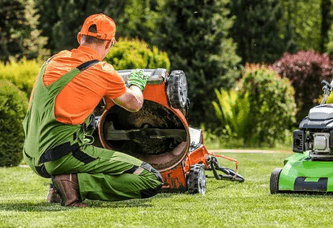
Drive Wheel Problems
- Symptom: Poor traction or uneven propulsion
- Potential Causes:
- Worn tire tread reducing traction
- Debris caught in the drive wheels
- Differential system malfunction (if equipped)
- Wheel bearing failure
- Solutions:
- Inspect tire tread condition and replace wheels if severely worn
- Remove debris from wheel gears and axles
- Lubricate wheel bearings according to manufacturer recommendations
- Check differential operation (if equipped) for proper function
The large 11-inch rear wheels on the BILT HARD provide excellent traction but require attention to bearing condition for optimal performance. Unusual noises during wheel rotation often indicate bearing issues that should be addressed before complete failure occurs.
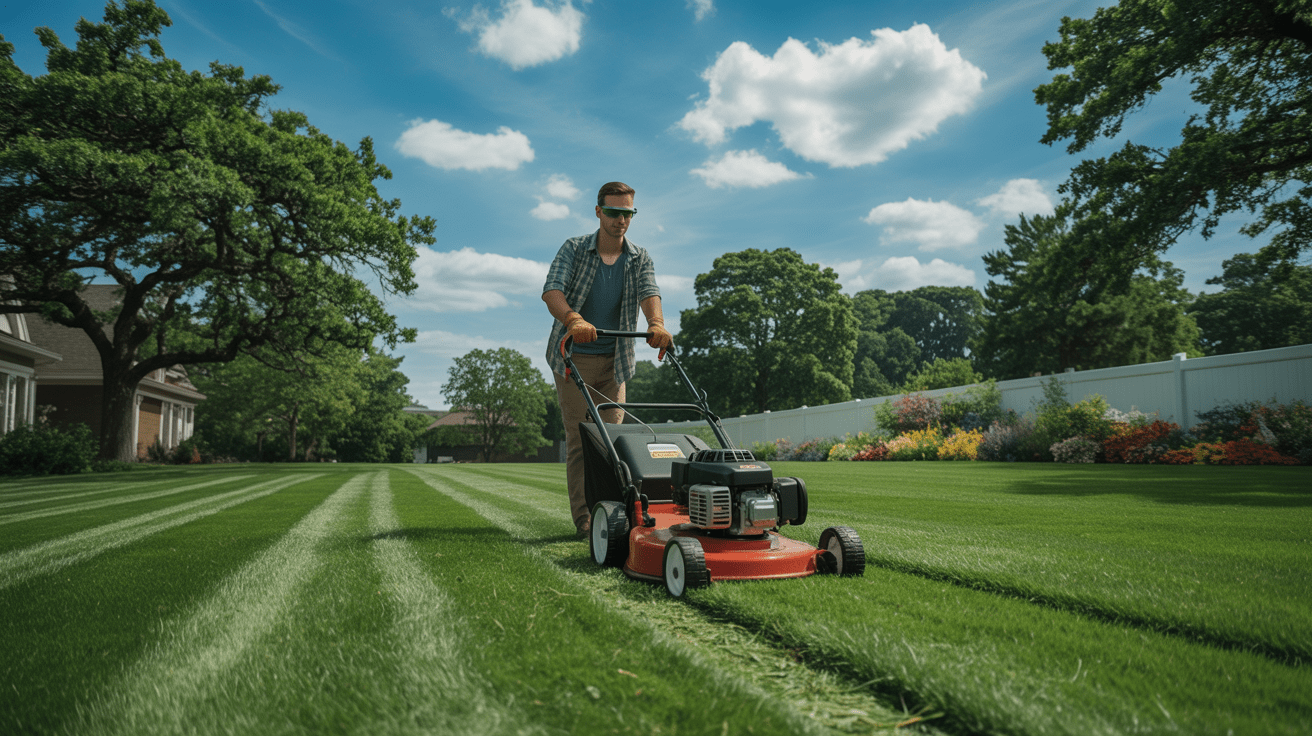
Cutting Performance Issues
Problems with cutting quality affect lawn appearance and health while potentially indicating underlying mechanical issues:
Uneven Cutting
- Symptom: Visible height variations across cutting width
- Potential Causes:
- Blade is not level or properly balanced
- Deck height adjustment is uneven
- Tire pressure differences (if pneumatic tires)
- Bent blade or spindle
- Deck damage is affecting blade positioning
- Solutions:
- Check the blade for damage or bending; replace if necessary
- Verify all four wheels are set to the same height position
- Equalize tire pressure on models with pneumatic tires
- Inspect the deck for damage that might affect the blade plane
- Verify blade mounting system integrity
The single-lever height adjustment systems on all our 2025 models reduce the risk of uneven wheel settings; however, blade condition remains a critical factor in achieving even cuts. The EGO POWER+ LM2114SP's precision-balanced blade system provides particularly consistent cutting when properly maintained.
Torn Grass Instead of Clean Cuts
- Symptom: Grass tips appear shredded or brown after cutting
- Potential Causes:
- Dull blade (most common)
- Incorrect blade for mower model
- Engine/motor speed too low
- Walking speed is too fast for the conditions
- Solutions:
- Sharpen or replace the blade
- Verify the correct blade specification for the mower model
- Ensure the engine/motor operates at full speed during cutting
- Reduce walking speed in thick or tall grass
Blade sharpness represents the most critical factor in cut quality. The high-lift blades used in models like the Greenworks 80V require regular sharpening to maintain their optimal cutting geometry. Most homeowners can sharpen blades themselves with basic tools; however, professional sharpening services offer more precise results for those without the appropriate equipment.
Clumping or Rows of Clippings
- Symptom: Visible clumps or rows of grass clippings on lawn surface
- Potential Causes:
- Mowing wet grass
- Cutting too much height at once
- Mower deck clogged with old clippings
- Walking speed too fast for proper mulching
- Mulching blade worn or incorrect
- Solutions:
- Mow only when grass is dry when possible
- Follow one-third rule for cutting height
- Clean deck thoroughly to restore proper airflow
- Reduce walking speed to allow complete mulching
- Verify correct mulching blade installation
The advanced mulching systems in the EGO POWER+ LM2114SP and Greenworks 80V handle moderate moisture better than most mowers but still perform optimally with dry grass. When conditions force mowing damp grass, reducing speed and potentially making a second pass can improve clipping distribution.
When to Seek Professional Service
While many self-propelled mower issues can be resolved through owner maintenance, certain problems warrant professional attention:
- Electrical System Failures: Internal controller issues, motor problems, or complex wiring failures in electric models typically require specialized diagnostic equipment and expertise.
- Engine Internal Problems: Symptoms such as metal-on-metal sounds, excessive smoke, or complete failure to start in gas models often indicate internal engine damage that requires professional repair.
- Transmission Failures: Grinding noises or a complete loss of self-propulsion function may indicate transmission problems that require solutions beyond basic maintenance.
- Structural Damage: Significant deck damage, frame bending, or alignment issues affecting fundamental operation typically require professional assessment and repair.
When selecting service providers, consider manufacturer-authorized service centers for warranty work and complex repairs. These facilities have model-specific training, proper diagnostic equipment, and access to original replacement parts. For electric models like the EGO and Greenworks options, authorized service becomes particularly important due to the specialized nature of their electrical and battery systems.
Independent small engine repair shops often provide excellent service for gas mowers like the AMERISUN and BILT HARD, particularly for routine maintenance and common mechanical issues. These local businesses often offer more competitive pricing for out-of-warranty repairs, while also providing personalized service.
Before seeking professional service, document the specific symptoms, when they occur, and any troubleshooting steps already attempted. This information helps technicians diagnose problems more efficiently, potentially reducing service time and associated costs.
DISCLAIMER
This document is provided for general information purposes only and should not be relied upon as providing legal advice, technical, or specific operational guidance to the reader, whether as to the practices described in the document or the applicable legal requirements and regulations. Lawnfly.com expressly disclaims any responsibility for liability arising from or related to the use or misuse of any information in this document.