Spring Lawn Care Checklist: What to Do First After Winter for a Healthy Lawn
Winter can really take a toll on your lawn. You’re often left with dead grass, compacted soil, and hidden damage that needs some attention before spring growth kicks in.
Spring’s the time to restore your yard and set the stage for months of lush, green grass. Knowing where to start makes all the difference between a struggling lawn and one that really thrives.
Start by cleaning up debris, checking for damage, and prepping the soil before you do anything else. It’s tempting to jump right into fertilizing or seeding, but if you skip the basics, you’ll probably waste time and money.
A proper spring lawn care routine always starts with assessment and prep—not quick fixes.
This checklist walks you through each step in the right order. From testing your soil to that first mow, you’ll know exactly what your lawn needs to bounce back from winter and stay strong through summer.
Key Takeaways
- Clean up winter debris and check for damage before starting any treatments or fertilization
- Test your soil and address compaction issues to help roots access nutrients and water
- Follow a proper sequence of seeding, feeding, and mowing to support healthy spring growth
Assess Winter Damage and Begin Spring Cleanup
Winter can leave your lawn looking rough. Before you dive into major lawn care, take a look at what kind of damage happened and clear away everything that piled up during the cold months.
Inspect for Bare Spots and Snow Mold
Walk your entire lawn and check for spots where the grass thinned out or vanished completely. These bare spots usually show up where snow sat for a while or ice pooled.
Look for circular patches of matted, discolored grass. That’s snow mold—a fungal disease that pops up under snow cover. It usually looks pink, gray, or white, and it can kill grass if you ignore it.
Gently rake those areas to break up the matted grass and let air in. Most snow mold will clear up on its own once you get some airflow. Mark any bare spots that’ll need reseeding later.
Check along driveways and sidewalks for salt damage. Salt can leave dead, brown patches that don’t bounce back in spring.
Remove Debris and Fallen Branches
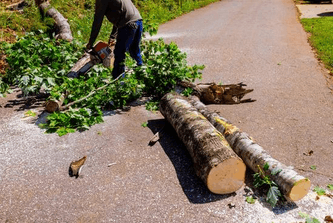
Start your lawn cleanup by picking up fallen branches, twigs, and any other debris scattered around. It’s not glamorous, but it matters.
Use a rake or leaf blower to clear out dead leaves. Leaves left on the lawn block sunlight and trap moisture, which holds back new growth. A leaf blower works great for big areas and corners where junk collects.
Clear flower beds and yank out any dead plant material from winter. Give your gutters and downspouts a look, too, so water drains away from your lawn and not into it.
Don’t skip this, even if you’re itching to mow or fertilize. A clean canvas makes every other step more effective.
Manage Thatch Accumulation
Thatch is that stubborn layer of dead grass stems and roots between the soil and the green stuff. A thin layer—under half an inch—is fine and actually helps. But anything thicker blocks water and nutrients from getting down to the roots.
Check your thatch by digging up a small patch and measuring the brown layer between the soil and the grass. If it’s thicker than half an inch, it’s time to dethatch.
Use a dethatching rake for small spots, or rent a power dethatcher for bigger lawns. Run it over your lawn to pull up the excess. It’s a bit aggressive, but when thatch gets thick, you don’t have much choice.
Rake up what you pull out and toss it in your compost pile, or bag it up and get rid of it.
Test and Amend Your Soil
Soil testing shows you what your lawn really needs after winter. The results help you adjust pH levels and add the right stuff to make your grass happy.
Conduct a Soil Test
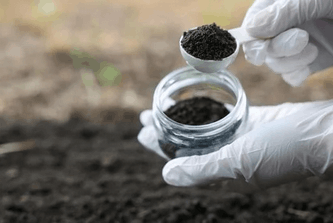
A soil test gives you the exact nutrient levels and pH balance in your yard. You can grab a test kit from a garden center or send samples to your local extension office for a deep dive.
Collect samples from different spots, digging down 4-6 inches. Mix them together in a clean bucket for an average reading. Aim for slightly moist soil—not soggy.
The test shows your nitrogen, phosphorus, and potassium levels, along with soil pH. Most testing services will give you specific recommendations based on your numbers.
Adjust Soil pH and Apply Amendments
Grass grows best when pH sits between 6.0 and 7.0. If your test is outside this range, your grass can’t grab nutrients, even if they’re in the soil.
Low pH means acidic soil—add lime to raise it. High pH means alkaline soil—add sulfur to bring it down. Your test will tell you how much to use per 1,000 square feet.
Compost helps your soil beyond just pH. It holds moisture in sandy soil and loosens up heavy clay. Spread a thin quarter-inch layer as topdressing to boost microbes and improve texture.
Apply Lime or Sulfur as Needed
Apply lime in early spring if your pH is below 6.0. Use a broadcast spreader for even coverage, following your test’s rate. Lime takes a couple of months to work, so get it down early.
Pelletized lime is way easier to spread than powder, and it’s less dusty. Water your lawn lightly after spreading to help lime start breaking down.
If your soil’s above 7.5, use elemental sulfur or aluminum sulfate as recommended. Sulfur works slower than lime but lasts longer. For big doses, split them into smaller applications spaced out by a month or so to avoid shocking your grass.
Aerate Compacted Soil
Winter and foot traffic can really compact your soil, squeezing out oxygen, water, and nutrients. Aerating in spring breaks up that compaction and lets roots breathe again.
Determine If Aeration Is Needed
Not every lawn needs aeration in spring. Check for soil compaction before you commit.
Walk across your lawn. If water pools instead of soaking in, that’s a red flag. Try pressing a screwdriver into the soil—if it barely goes in, your soil’s probably compacted.
Look for thin, patchy grass that struggles even when you water. If your lawn dries out fast or has a spongy thatch layer thicker than half an inch, aeration can help a lot.
If your lawn’s battling heavy weeds, skip aeration for now. The holes make perfect spots for weed seeds to settle. Get weeds under control first, then aerate.
Choose Between Core and Spike Aerators
A core aerator pulls plugs of soil out, making holes that relieve compaction. This works best for really compacted lawns because it actually removes soil and lets air and water in right away.
A spike aerator just pokes holes without taking soil out. It sounds good, but it can actually push soil tighter around each hole—especially in clay-heavy yards.
Core aeration usually gives better long-term results. The plugs break down on the surface and return nutrients. Spike aerators are okay for light compaction or as a between-core-aeration maintenance thing.
Manual versus Mechanical Aeration Methods
A manual aerator is fine for small lawns under 1,000 square feet. You push or step on it to drive tines in. It takes effort, but you save money.
Mechanical aerators cover bigger areas faster and dig deeper. You can rent a gas-powered core aerator for about $60 to $90 a day at most rental shops.
Make two passes over your lawn in different directions for the best coverage. Water your lawn the day before to soften the soil and make things easier.
Seed, Fertilize, and Support New Growth
After winter, your lawn needs fresh seed in thin spots and the right nutrients to bounce back. The right mix of overseeding and fertilizer fills in bare patches and helps new grass take off.
Overseed Bare and Thin Areas
Overseeding fills in spots where grass died or thinned out from the cold. Look for areas where you see more soil than green blades.
Spread grass seed evenly with a hand or broadcast spreader. For bare spots, go with about half the rate on the seed bag. For thin areas, use even less to avoid overcrowding.
Lightly rake the seed in so it touches the soil. This helps it sprout. Cover with a thin layer of straw or seed starter mulch to keep moisture in and keep birds away.
Water the overseeded areas twice a day with a light sprinkle until you see new shoots. Keep the top inch of soil moist (not soggy) for the first couple weeks.
Apply Starter and Slow-Release Fertilizer
New grass needs starter fertilizer to build strong roots. Look for a bag with higher phosphorus—the middle number, like 10-20-10.
Apply starter fertilizer only where you planted new seed. It helps seeds sprout and roots grow deep. You can spread it right after seeding or mix it in before spreading seed.
For the rest of your lawn, use a slow-release spring fertilizer with balanced nutrients. Something like a 20-5-10 ratio works, giving steady nitrogen over six to eight weeks. Too much nitrogen at once just causes weak, fast growth you don’t want.
Wait until grass is at least three inches tall before fertilizing established areas. Fertilizing too early mostly feeds weeds, not your grass.
Select the Right Grass Seed for Your Region
Your climate really shapes which grass seed will actually thrive in your yard. Cool-season grasses like fescue and Kentucky bluegrass do best in northern regions with cold winters.
Warm-season grasses are better suited for southern areas with hot summers. Fescue handles shade well and stays green longer into the fall.
Kentucky bluegrass looks dense and attractive, but honestly, it needs more water and maintenance. Try mixing different grass types together for better disease resistance and flexibility.
Always check your existing grass type before buying seed. Matching new seed to what you already have keeps the color and texture consistent across your lawn.
Seed bags list the percentage of each grass variety inside, so take a moment to read labels. Buy certified seed from reputable suppliers to avoid weed seeds sneaking into your lawn.
Higher quality seed costs a bit more, but it germinates better and has fewer contaminants. Cheap seed isn’t really a bargain if you end up fighting weeds all season.
Control Weeds and Lawn Diseases
Spring weather sets the stage for weeds and lawn diseases to pop up in your yard. If you tackle these issues early, you can keep them from spreading and messing up your grass.
Apply Pre-Emergent Herbicide for Weed Prevention
Pre-emergent herbicide stops weed seeds from sprouting before they break through the soil. You should apply it in early spring when soil temperatures hit 50-55°F for several days in a row.
This usually happens before forsythia bushes start blooming in your area. Crabgrass is the main target for spring pre-emergent applications.
Once crabgrass takes hold, it’s much harder to get rid of. Use a spreader to apply the herbicide evenly across your lawn.
Water it in lightly after application to activate the barrier in the soil. Remember, pre-emergent products block all seeds from germinating, so wait 6-8 weeks before overseeding bare spots.
Spot Treat Persistent Weeds
Some weeds survive winter or slip through pre-emergent barriers. Dandelions, clover, and chickweed often show up in early spring and need direct treatment.
Grab a post-emergent herbicide made for broadleaf weeds and spot treat these areas. This targets only the weeds and spares your grass from extra chemicals.
Apply herbicides on calm days when temperatures are between 60-85°F for best results. If you’d rather skip chemicals, pull weeds by hand when the soil is moist.
Try to get the whole root system out to keep them from coming back. Keeping your grass thick and healthy with proper fertilization and mowing leaves less space for weeds to settle in.
Monitor and Treat for Lawn Diseases
Cool, wet spring weather often brings fungal diseases like snow mold, red thread, and brown patch. Check your lawn for discolored spots, thin areas, or weird growth patterns that might signal disease.
Snow mold shows up as circles of matted, pinkish or grayish grass after the snow melts. Gently rake these areas to boost air flow and help the grass recover.
Most cases clear up on their own without fungicide. If fungal diseases start spreading, use a fungicide labeled for lawns and apply it just where you need it.
Improve drainage in low spots where water pools, since standing water encourages disease. Water deeply but less often, and always do it in the early morning so grass blades dry out quickly.

Refine Mowing and Maintenance Practices
Sharp mower blades and the right cutting height really protect your lawn as it recovers in spring. Combine that with smart watering, and you’re setting up your yard for a strong summer.
Tune Up and Sharpen Mower Blades
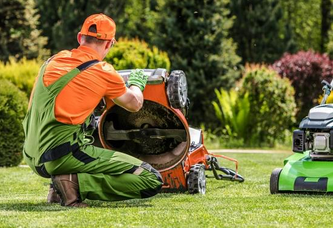
Your mower needs a little attention before its first spring run. Dull blades rip grass rather than cut it, leaving brown, ragged edges that invite disease.
Sharpen blades at least once each season or after 25 hours of mowing. Remove the blade, clamp it in a vice, and use a 10-inch mill file to sharpen at the original angle—usually 30-45 degrees.
Make equal passes on both sides to keep it balanced. If you don’t want to do it yourself, take the blade to a hardware store for sharpening.
Check the oil and change it if needed. Swap out the air filter and spark plug, and clean or replace the fuel filter. Always use fresh fuel.
Mulching mowers work well in spring because they return grass clippings to the lawn as a natural fertilizer. The clippings break down fast and feed your grass with nitrogen.
Follow Proper Mowing Techniques and Height
Wait until the grass is about 3-4 inches tall before your first spring mow. Set your mower to cut just the top third of the blades.
This helps grass recover from winter without extra stress. Keep most cool-season grasses at 2.5-3.5 inches through spring.
Taller grass grows deeper roots and shades out weeds. For your first cut, go a little lower, then raise the blade back up for the rest of the season.
Change your mowing pattern each week to avoid soil compaction and keep grass growing upright. Mow when the grass is dry for the cleanest cut and best mulching.
During late spring, you might need to mow twice a week if growth really picks up. Never remove more than a third of the blade at once, even if you fall behind.
Watering and Irrigation Guidelines
Your lawn needs about 1 inch of water per week in spring, counting rainfall. Water deeply but not too often to encourage deep roots and make your grass more drought-resistant.
Water between 4 and 10 AM to cut down on evaporation and avoid disease. Early watering lets blades dry before evening, when moisture can lead to fungus.
Test your irrigation by placing straight-sided containers around the yard. Run sprinklers for 15 minutes, measure the water, and multiply by 4 for your hourly rate.
Adjust your sprinkler run times based on what you find. Newly seeded spots need a different approach—keep the top half-inch of soil moist with light watering 2-3 times daily until seeds sprout.
Once new grass establishes, switch to deeper, less frequent watering to match your regular routine.
Frequently Asked Questions
Spring lawn care depends on timing and technique to help your grass bounce back after winter. The right steps include cleaning up debris, testing your soil, and fertilizing at the right times.
How should I prepare my lawn for spring after the winter months?
Start by clearing away all the winter debris as soon as the snow melts. Rake up dead leaves, branches, and thatch to let sunlight and air reach the soil.
Test your soil pH to see if you need to add anything. If it’s too acidic, use lime; if it’s too alkaline, sulfur can help bring it down.
Look for bare patches, compacted areas, or signs of disease or damage. This helps you figure out which spots need extra care.
What steps are critical for early spring lawn maintenance?
Core aeration is key if your soil got compacted over the winter. Use a mechanical aerator to pull out small plugs, which lets oxygen, water, and nutrients reach the roots.
Apply pre-emergent herbicide before soil temperatures hit 55°F to stop crabgrass and other weeds from sprouting. Hold off on mowing until your grass is at least 3 inches tall.
Keep mower blades sharp for clean cuts that don’t stress the lawn.
Can you recommend an initial fertilizer application schedule for spring lawn care?
Use a slow-release fertilizer with balanced nitrogen, phosphorus, and potassium once your grass starts growing again. This usually happens when soil temperatures stay around 55°F.
Don’t go overboard with nitrogen in early spring. Too much makes grass grow fast but weak, which isn’t good for long-term health.
Wait 6 to 8 weeks between fertilizer applications. Do your second feeding in late spring after roots have had time to get strong.
What kind of lawn clean-up is necessary once winter is over?
Remove all leaves, twigs, and dead grass left from winter. These block sunlight and trap moisture, which can cause fungal problems and weak growth.
If you spot snow mold or other winter diseases, rake those areas gently to let air in and help them dry out. Clear edges and borders where debris piles up, like along fences, under trees, and near flower beds.
Is there a specific process for overseeding in the spring?
Pick a grass seed variety that matches your lawn and fits your region's climate. If you're in the north, cool-season grasses usually work best for spring overseeding.
After you aerate, spread seed evenly over bare or thin patches. Give the seed a quick rake so it connects with the soil.
Keep those spots moist for about 2 to 3 weeks. Water lightly once or twice a day until you spot new grass, then ease off as the seedlings start to take hold.
DISCLAIMER
This document is provided for general information purposes only and should not be relied upon as providing legal advice, technical, or specific operational guidance to the reader, whether as to the practices described in the document or the applicable legal requirements and regulations. Lawnfly.com expressly disclaims any responsibility for liability arising from or related to the use or misuse of any information in this document.