
Mulch Made Easy: Best Types & How Much to Use

Transforming your garden from ordinary to extraordinary starts beneath the surface. Mulching stands as one of the most powerful techniques available to home gardeners. Yet countless homeowners waste money buying too much or too little material.
This comprehensive guide eliminates the guesswork. You'll discover exactly how to calculate your mulch needs down to the cubic foot. You'll explore the best mulch types for every garden situation. And you'll master the proven 3-inch rule that protects your plants while maximizing benefits.
Whether you're mulching your first flower bed or maintaining an established landscape, these proven techniques deliver professional results. Let's dig into the details that separate thriving gardens from struggling ones.
Calculate Your Mulch Needs Instantly
Stop guessing and start planning. Our free mulch calculator tells you exactly how much material you need for your project. Enter your garden bed dimensions and get precise measurements in both cubic yards and cubic feet.
Understanding Mulch and Why It Matters for Your Garden

Mulch serves as your garden's protective blanket. This material layer covers the soil surface around plants and trees. Professional landscapers rely on mulch to transform ordinary yards into stunning outdoor spaces.
The benefits extend far beyond appearance. Mulch regulates soil temperature throughout changing seasons. During summer months, it keeps roots cool and prevents moisture evaporation. Winter brings different advantages as mulch insulates against freezing temperatures.
Water conservation represents another critical benefit. A proper mulch layer reduces watering needs by up to fifty percent. The material prevents rapid evaporation while improving water penetration during rainfall.
Weed control delivers immediate visible results. Mulch blocks sunlight from reaching weed seeds in the soil. This natural barrier eliminates hours of tedious hand-pulling and reduces chemical herbicide dependence.
Soil health improves dramatically over time. Organic mulches gradually decompose and enrich the earth below. This natural process adds nutrients, improves drainage, and encourages beneficial organisms. Your plants develop stronger root systems in this enhanced environment.
Quick Fact: Gardens with proper mulching techniques use up to 50% less water than unmulched areas. This translates to lower utility bills and healthier plants during drought conditions.
How to Calculate Exactly How Much Mulch You Need

Accurate calculations prevent costly mistakes. Running out of mulch mid-project forces extra trips to the store. Buying too much wastes money and creates disposal headaches. Precision planning solves both problems.
The Basic Mulch Calculation Formula
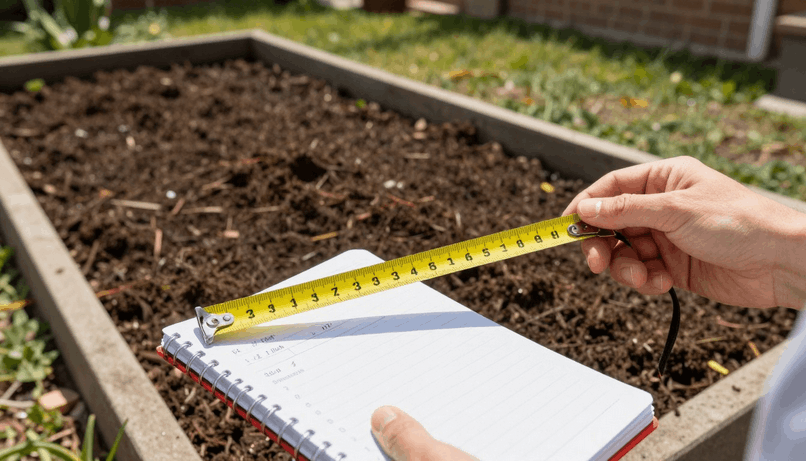
Start by measuring your garden bed area. Multiply length times width to find square footage. For irregular shapes, divide the space into rectangular sections and calculate each separately.
Standard mulch depth ranges from two to four inches. Most applications work best at three inches. This depth provides adequate coverage without suffocating plant roots or encouraging pest problems.
Convert your measurements to cubic feet using this formula. Multiply square footage by depth in feet. For three inches of depth, multiply your area by 0.25 (since three inches equals one-quarter foot).
Suppliers typically sell mulch by the cubic yard. One cubic yard equals twenty-seven cubic feet. Divide your total cubic feet by twenty-seven to determine cubic yard requirements.
Example Calculation
A garden bed measures 10 feet long by 8 feet wide. The area equals 80 square feet. At three inches deep, you need 80 × 0.25 = 20 cubic feet of mulch.
Converting to cubic yards: 20 ÷ 27 = 0.74 cubic yards. Round up to one cubic yard to ensure complete coverage.

Calculating for Different Bed Shapes
Circular beds require a different approach. Measure the radius from center to edge. Square the radius, then multiply by 3.14 to find area. Apply the same depth calculation as rectangular beds.
Curved or irregular gardens need creative solutions. Divide complex shapes into simpler geometric sections. Calculate each section individually, then add the totals together for your final number.
Tree rings present unique challenges. Measure from the trunk outward to your desired mulch edge. Calculate the circular area, but remember to keep mulch away from direct trunk contact. Subtract about one square foot from your total to maintain proper spacing.
Accounting for Settling and Coverage Variations
Fresh mulch settles over time. Plan for approximately ten percent additional material beyond your exact calculations. This buffer ensures complete coverage after natural compaction occurs.
Different mulch types cover varying amounts of area. Lightweight materials like shredded leaves compress more than chunky bark mulch. Dense materials like wood chips maintain depth better than fine-textured options.
Consider existing conditions before purchasing. If you're topping off old mulch rather than starting fresh, reduce your calculated amount by the existing depth. Never exceed six inches total depth, as excessive mulching creates drainage and pest problems.
Pro Tip: Always buy slightly more mulch than calculated. Most suppliers accept returns of unopened bags. Having extra material on hand prevents project delays and ensures uniform coverage across all garden beds.
Bulk vs Bagged Mulch Considerations
Bagged mulch works well for small projects under one cubic yard. Each bag typically contains two cubic feet. Divide your total cubic feet by two to determine bag quantity needed.
Bulk delivery becomes economical above two cubic yards. Suppliers dump material directly in your driveway. This option reduces packaging waste and often costs less per cubic yard than bagged products.
Storage space influences buying decisions. Bulk mulch requires immediate use or weatherproof storage. Bagged products offer flexibility for gradual project completion across multiple weekends.

Download Free Mulch Calculation Reference Guide
Get our printable quick-reference chart with pre-calculated amounts for common garden sizes. Includes conversion tables, depth recommendations, and bed shape formulas you can use again and again.
Best Mulch Types: Choosing the Right Material for Your Garden

Selecting the right type of mulch transforms results dramatically. Different materials serve different purposes. Understanding these distinctions helps you match mulch to your specific garden needs.
Two broad categories define all mulch types. Organic mulches come from natural plant materials that decompose over time. Inorganic mulches use manufactured or mineral materials that remain stable for years.
Organic Mulch Options
Organic mulch enriches soil as it breaks down. These materials feed beneficial microorganisms and earthworms. Over time, decomposition improves soil structure and adds valuable nutrients.
Shredded Bark Mulch
Bark mulch ranks among the most popular choices for ornamental beds. This material comes from processed tree bark in various particle sizes. Cedar and pine bark varieties offer natural insect-repelling properties.
Shredded bark stays in place better than many alternatives. The interlocking pieces resist washing away during heavy rain. This stability makes bark mulch ideal for slopes and hillside plantings.
Expect bark mulch to last one to three years before requiring replacement. Darker varieties fade to gray as they age. The decomposition rate depends on particle size, with finer shreds breaking down faster than chunky pieces.


Shredded Bark Mulch
Premium choice for ornamental beds. Natural insect resistance. Excellent slope stability. Lasts 1-3 years.
- Best for flower beds and shrub borders
- Available in multiple colors
- Moderate decomposition rate
- Good moisture retention

Wood Chips
Budget-friendly option often available free. Excellent for pathways and trees. Chunky texture. Lasts 2-4 years.
- Ideal for tree rings and large areas
- Often available from tree services
- Slow decomposition provides longevity
- May temporarily reduce nitrogen

Pine Straw
Traditional Southern favorite. Allows excellent air and water flow. Natural acidifying effect. Annual replacement needed.
- Perfect for acid-loving plants
- Lightweight and easy to spread
- Natural, rustic appearance
- Excellent for slopes

Grass Clippings
Free, readily available from lawn maintenance. Quick decomposition adds nitrogen. Best used thin. Replace frequently.
- Excellent nitrogen source for vegetables
- Zero cost option
- Decomposes in 2-4 weeks
- Apply in thin layers to prevent matting

Shredded Leaves
Free fall resource that enriches soil beautifully. Shred before applying. Excellent soil conditioner. Breaks down in one season.
- Best free soil amendment available
- Attracts beneficial earthworms
- Improves soil structure significantly
- Requires annual reapplication

Straw Mulch
Classic vegetable garden choice. Keeps produce clean and disease-free. Lightweight application. Season-long protection.
- Ideal for annual vegetable beds
- Prevents soil splash on fruits
- Easy to remove at season end
- Avoid hay which contains weed seeds
Inorganic Mulch Alternatives
Inorganic mulches provide permanent solutions that never decompose. These materials work well in low-maintenance landscapes. They eliminate annual replacement costs and labor.
Stone and Gravel Mulch
Rock mulches create clean, modern landscape aesthetics. Available in countless colors and sizes, from pea gravel to river rock. These materials reflect heat, which benefits some plants but stresses others.
Drainage areas particularly benefit from stone mulches. Water flows freely through rock without creating soggy conditions. This makes gravel ideal for rain gardens and drainage swales.
Consider the permanent nature before installing stone. Removing rock mulch later requires significant effort. Fabric barriers underneath help but complicate future changes. Stone works best in areas with established permanent plantings.

Rubber Mulch
Recycled rubber mulch serves specific applications well. Playground surfaces benefit from the cushioning properties. Pathways gain durability that outlasts organic options by decades.
Garden beds present mixed results with rubber mulch. The material never adds nutrients to soil. Some rubber products leach chemicals that concern organic gardeners. Heat retention can stress plant roots during summer.
Use rubber mulch strategically rather than universally. Play areas, dog runs, and high-traffic paths represent ideal applications. Vegetable gardens and edible landscapes should avoid rubber entirely.
Landscape Fabric and Plastic Mulch
Plastic mulch serves commercial agriculture effectively. Black plastic warms soil and controls weeds in vegetable production. Home gardeners achieve similar benefits in annual beds.
Landscape fabric works differently than solid plastic. The woven material allows air and water penetration while blocking weeds. Install fabric under decorative rock or bark for maximum weed suppression.
Both materials present long-term challenges. Fabric eventually degrades and becomes difficult to remove. Plastic tears and requires annual replacement. These options work best for specific short-term applications rather than permanent installations.
When to Choose Organic Mulch
- Improving soil health remains a priority
- Working with annual or perennial plantings
- Creating natural, woodland aesthetics
- Growing edible plants and vegetables
- Building long-term soil fertility
When to Choose Inorganic Mulch
- Seeking permanent, low-maintenance solutions
- Designing modern, minimalist landscapes
- Covering drainage areas or slopes
- Creating pathways and hardscape transitions
- Eliminating annual mulch replacement
Get the Complete Mulch Comparison Chart
Download our detailed comparison guide featuring 15+ mulch types. Includes cost analysis, longevity ratings, best uses, and application tips for every material. Make informed decisions backed by expert research.
The 3-Inch Rule: Proper Mulching Depth for Healthy Plants

Proper depth separates successful mulching from common mistakes that damage plants. The three-inch rule provides the perfect balance. This depth delivers maximum benefits without creating problems.
Why Three Inches Works Best
Two inches of mulch provides minimal benefits. This shallow layer disappears quickly through decomposition. Weeds easily penetrate thin coverage, defeating a primary purpose of mulching.
Four or more inches creates serious problems. Excessive depth suffocates plant roots by limiting oxygen. Too much mulch holds excessive moisture against stems and trunks. This promotes rot, disease, and pest infestations.
Three inches hits the optimal middle ground. This depth effectively blocks weed germination by eliminating light. Moisture retention improves without creating soggy conditions. Temperature regulation reaches maximum effectiveness.
Different plant types require slight variations. Young transplants and shallow-rooted perennials prefer two to two-and-a-half inches initially. Established shrubs and trees handle three to four inches without stress. Adjust depth based on specific plant needs rather than applying uniform coverage everywhere.
Critical Warning: Never pile mulch against plant stems or tree trunks. Always maintain a 2-3 inch clearance zone around the base. Contact promotes rot, attracts pests, and can kill otherwise healthy plants.
The Volcano Mulching Mistake
Volcano mulching represents the most common serious error. Piling mulch high against tree trunks creates a cone shape resembling a volcano. This practice kills thousands of trees annually.
The moisture trapped against bark encourages fungal diseases. Insects tunnel into softened bark seeking shelter. Roots grow upward into the mulch instead of spreading properly through soil. Trees slowly decline over several years before dying.
Proper tree mulching creates a donut shape instead. Mulch extends outward to the drip line if possible. The trunk area remains clear, allowing air circulation around the bark. This simple adjustment prevents catastrophic long-term damage.

Measuring and Maintaining Proper Depth
Checking depth regularly prevents gradual accumulation problems. Insert a ruler or stick vertically through mulch to soil level. Measure the material thickness at several points around each bed.
Organic mulches settle and decompose continuously. Spring represents the ideal time for depth evaluation and replenishment. Rake existing mulch to break up compacted layers before adding fresh material on top.
Never simply pile new mulch over old indefinitely. Total depth should never exceed four inches, even with annual additions. Remove excess decomposed material before refreshing, or reduce the amount of new mulch applied.
Seasonal Depth Adjustments
Winter mulching protects perennial roots from freeze-thaw cycles. Apply mulch after the ground freezes to maintain consistent temperatures. Four inches provides adequate insulation in cold climates without smothering plants.
Spring requires depth reduction in some cases. Pull mulch back from emerging perennials to allow shoots to reach sunlight. Reduce depth around warm-season vegetables until soil temperatures rise adequately for growth.
Summer heat benefits from maximum coverage. Three to four inches keeps soil cool and conserves precious water. Ensure even distribution without gaps where weeds might colonize bare spots.
Fall applications prepare beds for winter while managing falling leaves. Incorporate shredded leaves into existing mulch rather than creating excessive depth. Remove debris from evergreen beds to prevent disease during wet winter months.


Application Techniques for Even Coverage
Dumping mulch in piles and spreading creates inconsistent depth. Empty bags or wheelbarrow loads in small piles distributed across the bed. This ensures more uniform distribution during spreading.
Use a rake or pitchfork to spread material evenly. Work from the center of beds outward toward edges. Check depth frequently with a ruler during application rather than estimating visually.
Edge definition improves appearance dramatically. Install physical edging or create clean borders by cutting sharp lines. Keep mulch contained within defined areas to prevent spreading onto lawns or pathways.
Slopes require special attention to prevent washing. Apply mulch slightly deeper on hillsides initially, anticipating some movement. Consider erosion-control fabrics or terracing on steep grades before mulching.
Signs Your Mulch Depth Needs Adjustment
Visible soil through mulch indicates insufficient coverage. Weeds sprouting frequently signal depth below effective levels. Add material to restore proper thickness when these signs appear.
Mushroom growth or foul odors warn of excessive depth and moisture. Pull back layers if material remains constantly soggy rather than just damp. Improve drainage or reduce depth to eliminate anaerobic conditions.
Plant stress symptoms require immediate investigation. Yellowing foliage, wilting despite adequate water, or stunted growth may indicate suffocation from too much mulch. Carefully pull material away from root zones and reduce overall depth.

Master Mulch Application with Our Video Guide
Watch professional techniques for measuring, spreading, and maintaining perfect mulch depth. Our step-by-step video tutorial shows exactly how to apply the 3-inch rule across different garden situations.
Professional Mulching Application Techniques
Proper application transforms average results into professional-quality landscapes. Technique matters as much as material selection and depth. Follow these expert practices for superior outcomes.
Preparing the Area Before Mulching
Clean preparation ensures mulch performs optimally. Remove existing weeds completely, including roots. Pulling surface growth while leaving roots guarantees quick regrowth through new mulch.
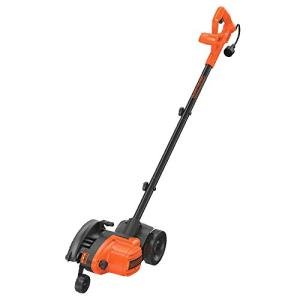
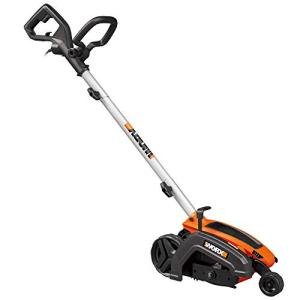
Edge beds cleanly before spreading material. Sharp borders between lawn and mulched areas look professional and contain material effectively. Use an edging tool or flat spade to cut clean lines.
Water the area thoroughly before applying mulch. Dry soil should receive soaking irrigation first. Trying to water after mulching application proves far less effective at reaching root zones.

Timing Your Mulch Applications
Spring mulching should wait until soil warms adequately. Applying too early traps cold and delays plant growth. Wait until consistent temperatures reach appropriate levels for your climate zone.
Fall applications prepare gardens for winter successfully. Time autumn mulching after plants enter dormancy but before ground freezes. This protects roots while preventing early sprouting from warm spells.
Mid-season refreshing addresses settling and decomposition. Light additions maintain depth without creating excessive buildup. Check levels monthly during the growing season and top off as needed.
Working Around Existing Plants
Established plants require careful mulch placement. Keep material away from direct contact with stems and crowns. Create a small basin around each plant rather than piling mulch against growth.
Perennials emerge at different times through spring. Mark locations of late-emerging plants to avoid burying them under fresh mulch. Small stakes or plant markers prevent accidental smothering.
Bulbs need special consideration. Apply mulch after shoots emerge in spring, carefully working around new growth. Fall-planted bulbs benefit from winter mulch applied after the ground freezes.
Avoid These Common Mistakes: Never till mulch into soil, as this disrupts beneficial decomposition. Don't apply fresh grass clippings thickly, as they mat and smell. Avoid using diseased plant material that spreads pathogens throughout your garden.
Maintaining Mulch Through the Seasons

Successful mulching requires ongoing maintenance beyond initial application. Regular care maintains appearance and effectiveness. A little attention prevents problems before they develop.
Refreshing and Replenishing Mulch
Organic mulches decompose naturally and require periodic replacement. Pine bark and wood chips last longer than leaves or grass clippings. Plan on annual additions for most organic materials.
Rake existing mulch in early spring to fluff compacted layers. This improves air circulation and reveals actual remaining depth. Remove any matted sections that prevent water penetration.
Add fresh material once you've assessed existing coverage. Spread new mulch evenly over fluffed old material. Maintain the three-inch total depth guideline including both new and decomposed layers.
Managing Weeds in Mulched Beds
Some weed seeds inevitably arrive via wind or birds. Hand-pull emerging weeds promptly while roots remain shallow. Regular quick inspections catch problems before they establish deeply.
Maintain proper depth to prevent weed germination. Thin spots allow light penetration that triggers seed sprouting. Top off shallow areas as soon as they appear rather than waiting for scheduled maintenance.
Avoid creating perfect weed-growing conditions. Mulch piled too thick stays too wet and actually encourages some weed types. Balance coverage for weed prevention without excess moisture retention.
Dealing with Mulch Displacement
Heavy rain, wind, and foot traffic shift mulch from original placement. Slopes particularly suffer from downhill migration. Regular redistribution maintains even coverage and prevents bare spots.
Install edging or borders to contain material effectively. Physical barriers prevent spreading onto lawns and walkways. Metal, plastic, or stone edging creates clean lines while holding mulch in place.
Refresh edges periodically throughout the season. Material naturally migrates toward the middle of beds over time. Pull mulch back toward borders and redistribute for consistent appearance and protection.

Special Mulching Applications and Situations
Certain garden areas require modified mulching approaches. Understanding these special cases prevents common mistakes. Adapt general principles to specific circumstances for best results.
Mulching Vegetable Gardens
Vegetable beds benefit tremendously from proper mulching. Organic materials like straw or grass clippings work particularly well. These decompose quickly, adding nutrients that annual crops consume heavily.
Wait until soil warms before mulching warm-season vegetables. Tomatoes, peppers, and squash need warmth for optimal growth. Premature mulching keeps soil too cool and slows development significantly.
Apply mulch after plants reach several inches tall. Young seedlings struggle to push through mulch layers. Established transplants benefit from coverage around their base without being overwhelmed.
Avoid certain materials in food gardens. Fresh wood chips can temporarily tie up nitrogen. Grass clippings from chemically treated lawns introduce unwanted substances. Stick with clean, organic materials for edible plant areas.

Mulching Around Trees and Shrubs
Trees require wide mulch coverage for maximum benefit. Extend mulch to the drip line when possible. This protects the entire root zone, which spreads far beyond the trunk.
Create the donut shape discussed earlier. Keep the trunk flare completely visible and clear of material. Roots need air circulation at the soil surface for healthy growth.
Young trees particularly benefit from generous mulch coverage. This eliminates grass competition and reduces mowing damage. Protect tender bark from string trimmer wounds by maintaining a wide, grass-free zone.
Established shrub borders maintain better appearance with regular mulch maintenance. Define bed edges clearly and maintain consistent depth. Group plantings look cohesive when mulch provides unified ground coverage.
Pathways and Functional Areas
Garden paths benefit from mulch application beyond aesthetic beds. Wood chips create comfortable walking surfaces that drain well. Replace expensive hardscaping with economical mulched pathways.
Apply thicker layers for pathway durability. Four to six inches provides adequate cushioning and weed suppression. Compact lightly after application to create a firmer surface.
Edge pathways distinctly from planting beds. Visual separation improves professional appearance. Consider using different mulch types or colors to define functional versus ornamental spaces.
Trees and Large Shrubs
- Extend coverage to drip line when possible
- Keep trunk flare completely exposed
- Use 3-4 inches depth for established plants
- Refresh annually in early spring
- Wood chips work exceptionally well
Annual and Perennial Beds
- Maintain consistent 2-3 inch depth
- Pull back from emerging perennials
- Use finer-textured materials for aesthetics
- Replenish as decomposition occurs
- Coordinate colors with plant schemes
Mulching Cost Analysis and Budget Planning

Budget considerations influence material selection and project scope. Understanding costs helps you make informed decisions. Strategic planning maximizes value while achieving desired results.
Comparing Material Costs
Bagged mulch costs significantly more per cubic yard than bulk delivery. Individual bags run between three and six dollars for two cubic feet. Bulk mulch costs range from twenty to fifty dollars per cubic yard delivered.
Premium materials command higher prices than standard options. Colored mulches cost more than natural bark. Cedar bark exceeds pine pricing. Specialty mulches like cocoa hulls or rubber represent top-tier expenses.
Free materials require labor investment instead of cash. Collecting leaves, grass clippings, or obtaining wood chips from tree services costs nothing. However, processing and transport time has value worth considering.
| Mulch Type | Cost per Cubic Yard | Coverage Area (3" Depth) | Longevity | Best Value For |
| Bulk Wood Chips | $25-35 | 108 sq ft | 2-4 years | Large areas, pathways |
| Shredded Bark (Bulk) | $35-50 | 108 sq ft | 1-3 years | Ornamental beds |
| Colored Mulch (Bulk) | $45-65 | 108 sq ft | 1-2 years | High-visibility areas |
| Pine Straw (Bale) | $5-8 per bale | 50 sq ft per bale | 1 year | Acid-loving plants |
| Bagged Bark Mulch | $80-120 | 108 sq ft | 1-3 years | Small projects |
| Rubber Mulch | $100-200 | 108 sq ft | 10+ years | Permanent installations |
| River Rock (Bulk) | $50-150 | 108 sq ft | Permanent | Modern landscapes |
| Grass Clippings | Free | Variable | 2-4 weeks | Vegetable gardens |
| Shredded Leaves | Free | Variable | 6-12 months | All garden beds |
Long-Term Value Considerations
Initial cost alone doesn't determine actual value. Longer-lasting materials cost more upfront but require less frequent replacement. Calculate annual costs by dividing purchase price by years of service.
Water savings offset mulch expenses significantly. Gardens using fifty percent less water save hundreds annually in many regions. Factor utility cost reductions into your return on investment calculations.
Soil improvement from organic mulches adds long-term value. Better soil grows healthier plants that require less fertilizer and fewer replacements. These compounding benefits increase property value over time.
Troubleshooting Common Mulching Problems
Even experienced gardeners encounter mulch-related challenges. Recognizing problems early prevents serious damage. Quick corrections restore mulch effectiveness and plant health.
Addressing Mulch Mold and Fungus
Mushrooms growing in mulch typically indicate healthy decomposition. Most fungi help break down organic matter without harming plants. Simply knock them over or ignore them as they appear and disappear naturally.
Artillery fungus presents a more serious concern. These tiny organisms shoot black spores onto nearby surfaces. Light-colored mulches in shady, wet conditions create ideal conditions. Switch to different materials if this becomes problematic.
Slime molds occasionally appear as colorful patches on mulch surface. These harmless organisms consume bacteria and decomposing matter. Rake affected areas to dry them out and improve air circulation.

Preventing and Removing Pest Problems
Termites rarely establish in landscape mulch despite common fears. These insects need constant moisture and wood-to-soil contact. Proper application with clearance from structures eliminates concern in most situations.
Slugs and snails hide under mulch during daytime hours. These pests emerge at night to feed on tender plants. Reduce populations by limiting mulch depth near vulnerable seedlings and using organic baits.
Ants sometimes nest in dry mulch, particularly in sunny locations. These insects don't harm plants directly but can be a nuisance near patios. Water the area thoroughly to encourage relocation elsewhere in your yard.
Correcting Application Mistakes
Over-mulched areas show symptoms quickly. Plants develop shallow roots, yellow leaves, and poor growth. Immediately pull excess material away from root zones and reduce overall depth to proper levels.
Compacted mulch prevents water penetration and air circulation. Break up matted layers with a cultivating fork or rigid rake. Fluff material to restore proper texture and add fresh layers on top if needed.
Weed barrier fabric installed incorrectly creates long-term headaches. Fabric showing through mulch looks unsightly and degrades in sunlight. Top off with additional material or remove and reinstall properly with adequate coverage.
Graying occurs naturally as organic mulch weathers and breaks down. Sun exposure bleaches darker colors over time. This cosmetic change doesn't affect mulch performance. Refresh with new material when appearance becomes unsatisfactory, or embrace the natural aging process.
Dry mulch can ignite from cigarettes, hot coals, or nearby fire sources. Maintain moisture through regular watering during dry periods. Keep mulch at least twelve inches away from structures. Avoid piling deeply against wooden fences or building foundations where fire risk increases.
Slopes require extra measures to prevent erosion. Install erosion-control netting under mulch to hold material in place. Use larger, heavier mulch pieces that resist movement. Create small terraces or berms across the slope. Consider ground covers or plants to stabilize soil before mulching heavily.
Complete removal usually isn't necessary. Rake and fluff existing material, removing only excessively decomposed or compacted layers. Add new mulch on top while maintaining proper total depth. Remove old material only when total depth exceeds four inches or when replacing one mulch type with another completely different material.
Environmental Benefits of Proper Mulching

Mulching delivers significant environmental advantages beyond individual garden benefits. Understanding these broader impacts reinforces the value of this essential practice. Your mulching choices contribute to larger ecological health.
Water Conservation and Watershed Protection
Properly mulched landscapes reduce irrigation demands dramatically. This conserves precious water resources in communities facing supply challenges. Every gallon saved helps sustain aquifers and surface water sources.
Mulch prevents soil erosion during heavy rainfall events. Bare soil washes into storm drains, carrying sediment and pollutants to waterways. The protective mulch layer absorbs rainfall impact and holds soil in place naturally.
Reduced runoff improves water quality in streams and lakes. Mulched areas allow rainfall to infiltrate slowly rather than rushing across surfaces. This natural filtering process removes contaminants before water reaches sensitive ecosystems.
Carbon Sequestration and Climate Impact
Organic mulches store carbon in your landscape. As materials decompose slowly, carbon remains locked in soil rather than being released into the atmosphere. This small-scale sequestration contributes to climate change mitigation efforts.
Reduced mowing needs around mulched trees eliminate fossil fuel consumption. Each hour saved on lawn maintenance reduces carbon emissions. Wider mulch rings mean less trimmer use and lower environmental impact.
Healthier soil supports more robust plant growth. Vigorous plants absorb more carbon dioxide through photosynthesis. This creates a positive cycle where mulching enhances your landscape's carbon-capturing capacity.
Supporting Beneficial Wildlife
Mulched gardens provide habitat for beneficial organisms. Earthworms thrive in moist, organic-rich environments created under mulch. These soil engineers improve drainage and aerate compacted areas naturally.
Ground-nesting native bees find shelter in certain mulch types. These important pollinators need undisturbed areas for reproduction. Leaving some mulched zones unraked through spring supports beneficial insect populations.
Birds forage through mulch seeking insects and worms. Thrushes, robins, and other species flip through material hunting food. This natural pest control reduces garden damage from harmful insects.


Advanced Mulching Strategies for Experienced Gardeners
Experienced gardeners can implement sophisticated techniques for enhanced results. These advanced approaches build on fundamental principles. Mastery requires experimentation and observation over multiple seasons.
Layering Different Mulch Types
Strategic layering combines the benefits of multiple materials. Apply newspaper or cardboard as a base layer for extreme weed suppression. Top with attractive bark or decorative stone for finished appearance.
Nitrogen-rich materials layered under carbon-heavy mulches balance decomposition. Place grass clippings or manure beneath wood chips. This combination provides nutrients while maintaining long-lasting coverage.
Seasonal layering adapts to changing plant needs. Apply heat-absorbing dark mulch in spring for soil warming. Layer lighter-colored material on top during summer for cooling effects. This dynamic approach optimizes growing conditions throughout the year.
Living Mulches and Ground Covers
Low-growing plants serve as living mulches in certain applications. Creeping thyme, sweet woodruff, or clover spread across soil surfaces. These plants suppress weeds while remaining low enough to complement taller specimens.
Living mulches require different management than traditional materials. Allow plants to establish before expecting full weed suppression. Trim or mow occasionally to maintain desired height and appearance.
Combining living mulches with organic materials creates diverse, resilient systems. Mulch around young ground cover plants initially. As plants spread, organic mulch application in covered areas naturally decreases.
Sheet Mulching for Lawn Conversion
Sheet mulching transforms lawn areas into planting beds without physical grass removal. Layer cardboard or newspaper over existing turf. Add thick layers of compost and mulch on top.
This method smothers grass while building excellent soil. Materials decompose over several months, creating rich planting medium. The fall application allows spring planting in former lawn areas.
Depth matters significantly for sheet mulching success. Apply at least six inches of combined materials for effective grass suppression. Deeper layers accelerate decomposition and improve final soil quality.

Ready to Transform Your Garden?
You now have all the knowledge needed to achieve professional mulching results. Put these techniques into practice and watch your landscape thrive. Need help finding quality mulch suppliers in your area or want personalized advice for your specific garden?
Creating Your Mulching Success Story
Mastering mulch application transforms ordinary gardens into extraordinary landscapes. The techniques covered in this guide provide everything needed for professional results. Accurate calculations prevent waste and ensure adequate coverage.
Selecting appropriate mulch types matches materials to specific garden needs. The three-inch rule delivers optimal benefits without creating problems. Proper application and maintenance sustain effectiveness through changing seasons.
Your investment in quality mulching pays dividends immediately and over time. Plants grow healthier in improved soil conditions. Water bills decrease while weed problems diminish. Garden appearance elevates to professional standards.
Start with one area if tackling your entire landscape seems overwhelming. Perfect your technique on a small bed before expanding to larger projects. Experience builds confidence and reveals what works best in your unique conditions.
The environmental benefits extend beyond your property lines. Water conservation, carbon sequestration, and wildlife support contribute to broader ecological health. Every properly mulched garden makes a positive difference.

Remember that mulching remains an ongoing practice rather than a one-time task. Gardens change and evolve through seasons and years. Your mulching approach adapts alongside these natural progressions.
Take pride in creating healthier soil, stronger plants, and more beautiful spaces. The knowledge you've gained empowers confident decisions about materials, quantities, and methods. Your garden will reflect the care and expertise you invest.
Now it's time to put theory into practice. Measure your beds, calculate your needs, select your materials, and start mulching like a pro. Your plants, your water bill, and your weekend schedule will thank you.
DISCLAIMER
This document is provided for general information purposes only and should not be relied upon as providing legal advice, technical, or specific operational guidance to the reader, whether as to the practices described in the document or the applicable legal requirements and regulations. lawnfly.com expressly disclaims any responsibility for liability arising from or related to the use or misuse of any information in this document.