Pre-Emergent Weed Control: 
Spending money on weed control products only to watch crabgrass and other weeds take over your lawn feels frustrating. Most homeowners waste hundreds of dollars each year because they apply pre-emergent herbicides at the wrong time or make simple mistakes that render the treatment useless.
The difference between a weed-free lawn and a yard full of invasive plants often comes down to timing and proper application. Understanding when and how to use pre-emergent weed control can save you significant money while giving you the beautiful lawn you want.
This article covers everything you need to know about pre-emergent herbicides. You'll learn what they are, when to apply them, and the costly mistakes that prevent them from working effectively.
What Is Pre-Emergent Weed Control and How Does It Work
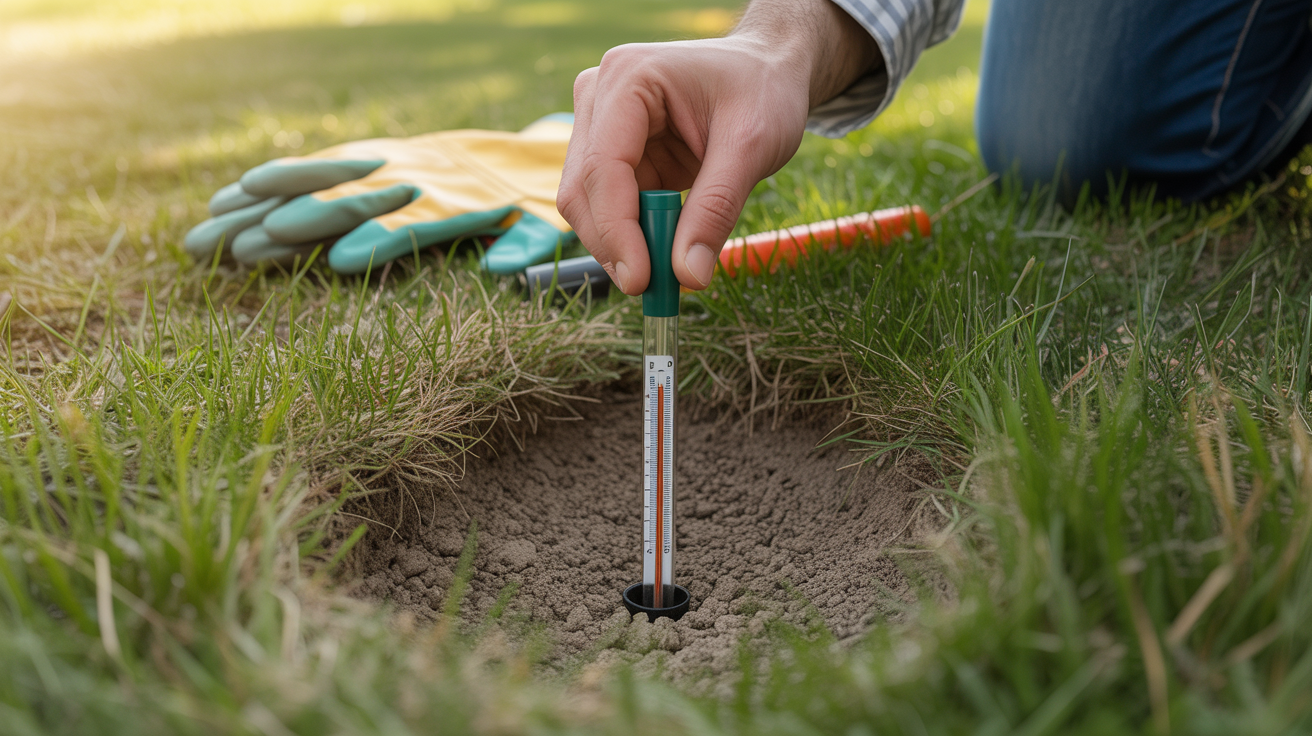
Pre-emergent weed control refers to herbicides that prevent weed seeds germinating before they sprout. Unlike post-emergent products that kill existing weeds, preemergence herbicides create a chemical barrier in the soil.
This barrier stops weed seedlings from developing roots. When seeds try to germinate, they absorb the herbicide and die before breaking through the soil surface.
Pre-emergent herbicides control annual weeds most effectively. These include crabgrass foxtail, chickweed, and many broadleaf weeds that grow from seeds each year.
The Science Behind Soil Barriers
The herbicide forms a thin layer in the top inch of soil. This layer remains active for several months depending on the product.
Water activates most pre-emergent products. Rain or irrigation helps the herbicide penetrate the soil and create the protective barrier.
The treatment does not harm established plants with developed root systems. Your grass and existing garden plants continue growing normally while new weed seeds cannot germinate.
What Pre-Emergent Cannot Do
These herbicides will not kill weeds that already exist in your lawn. You need post-emergent herbicides or manual removal for established weeds.
Pre-emergent products cannot prevent perennial weeds that spread through root systems. Weeds like dandelions and clover require different control methods.
The products also lose effectiveness if applied incorrectly or at the wrong time. Understanding proper timing saves you from wasting money on ineffective applications.
Agri-Fab Electric Spreader for Lawn & Garden
Get your lawn looking its best with this easy-to-use electric spreader that makes fertilizing and seeding a breeze
Product information
$599.99
Product Review Score
4.63 out of 5 stars
230 reviews
Product links
Agri-Fab Electric Spreader for Lawn & Garden
Get your lawn looking its best with this easy-to-use electric spreader that makes fertilizing and seeding a breeze
Product information
$599.99
Product Review Score
4.63 out of 5 stars
230 reviewsProduct links
The Optimal Timing for Pre-Emergent Weed Control Application
Timing determines whether your pre-emergent application succeeds or fails. Apply too early and the herbicide breaks down before weed seeds germinate. Apply too late and weeds already started growing.
Soil temperature provides the most reliable timing indicator. Most annual weeds germinate when soil reaches specific temperatures for several consecutive days.
Spring Application Timing
Apply spring pre-emergent herbicides when soil temperatures reach 50-55 degrees Fahrenheit. This typically occurs in early to mid-spring depending on your location.
Crabgrass seeds begin germinating at these temperatures. You need the herbicide barrier in place before germination starts.
Many experts recommend applying when forsythia bushes bloom. This natural indicator coincides with proper soil temperatures in most regions.
Northern states typically apply in late March or April. Southern regions may need application as early as February.
Fall Application for Winter Weeds
A second application in fall prevents winter annual weeds. These include chickweed, henbit, and annual bluegrass.
Apply fall treatments in late summer or early fall. Soil temperatures should drop to around 70 degrees Fahrenheit.
This timing varies by region. Southern lawns benefit most from fall applications due to longer growing seasons.
Using Soil Thermometers
Invest in an inexpensive soil thermometer for accurate timing. Check soil temperature at a depth of two inches.
Take readings in the morning for several consecutive days. Consistent temperatures matter more than single-day readings.
Many university extension websites provide soil temperature maps. These resources help you time applications perfectly for your area.
Early Spring Weeds
These weeds germinate when soil warms in spring and require early-season pre-emergent application.
- Crabgrass starts at 55°F
- Foxtail begins at 60°F
- Goosegrass at 65-70°F
- Spurge around 60°F
Late Summer Weeds
Fall-germinating weeds need pre-emergent treatment in late summer for effective control.
- Annual bluegrass in fall
- Chickweed when cooling starts
- Henbit in early autumn
- Poa annua as temps drop
Timing Indicators
Natural and environmental signs help determine the right application window for your region.
- Forsythia blooms signal timing
- Soil thermometer readings
- Local extension recommendations
- Regional climate patterns
Regional Variations
Application timing varies significantly based on your geographic location and local climate.
- North: April applications
- South: February-March start
- Midwest: Mid-March timing
- West: Varies by elevation
Common Mistakes That Waste Money on Pre-Emergent Herbicides

Understanding what not to do saves more money than knowing what to do. These common mistakes cause pre-emergent products to fail completely.
Applying After Weeds Germinate
The biggest mistake homeowners make involves late application. Once weed seeds germinating and seedlings emerge, pre-emergent herbicides cannot help.
You waste the entire product cost when applying after germination starts. The herbicide only prevents seeds from sprouting.
Check your lawn carefully before application. If you see small weed seedlings, you need post-emergent treatment instead.
Skipping Watering Requirements
Most pre-emergent products require watering within 24-48 hours after application. This activates the herbicide and moves it into the soil.
Failing to water means the product sits on grass blades where it breaks down from sunlight. You lose effectiveness and waste money.
Apply half an inch of water through irrigation or rainfall. Check product labels for specific watering instructions.
Disturbing Soil After Application
Aerating, dethatching, or excessive raking breaks the herbicide barrier. These activities bring untreated soil to the surface.
Complete all soil disturbance activities before applying pre-emergent herbicides. Wait at least two weeks after application before any major lawn work.
Even heavy foot traffic can disrupt the barrier in treated areas. Minimize walking on treated lawns for the first few days.
Using Wrong Product for Your Weeds
Different pre-emergent herbicides control different weeds. Some products target grassy weeds while others focus on broadleaf weeds.
Read product labels carefully. Identify your specific weed problems before purchasing herbicides.
Using a product designed for crabgrass will not prevent chickweed. Know your target weeds to choose effective products.
Incorrect Application Rates
Applying too little product fails to create an effective barrier. Too much waste money and may damage your lawn.
Calibrate your spreader according to product instructions. Different herbicides require different application rates.
Many homeowners guess at spreader settings. This leads to uneven coverage and wasted product.
Combining With Seeding
Pre-emergent herbicides prevent all seeds from germinating. This includes grass seeds you want to grow.
Never apply pre-emergent and grass seed at the same time. Your new grass will not germinate.
Wait until fall to overseed if you used spring pre-emergent. Some products require waiting 8-12 weeks before seeding.
Money-Wasting Mistakes
- Applying after weeds already sprouted
- Skipping required watering activation
- Aerating or dethatching after treatment
- Using wrong product for weed type
- Guessing at spreader settings
- Seeding and treating simultaneously
- Ignoring soil temperature guidelines
Cost-Saving Practices
- Applying before germination starts
- Watering within 24-48 hours
- Completing lawn work before application
- Choosing an herbicide for specific weeds
- Calibrating spreader properly
- Timing seeding separately from treatment
- Monitoring soil temperature accurately
Avoid Costly Pre-Emergent Mistakes
Professional application ensures proper timing, correct products, and effective weed prevention. Our lawn care experts eliminate guesswork and guarantee results. Get a free lawn analysis and learn how much you can save with professional pre-emergent treatment.
Best Practices for Effective Pre-Emergent Weed Prevention

Following proven best practices maximizes your investment in weed control. These strategies ensure your pre-emergent herbicides work effectively throughout the season.
Choose the Right Product
Select herbicides based on your specific lawn type and target weeds. Cool-season and warm-season grasses may require different products.
Read labels to confirm safety for your grass type. Some herbicides damage certain grass varieties.
Consider combination products that include lawn fertilizer. These save application time and provide dual benefits.
Prepare Your Lawn Properly
Mow your lawn before application. This allows better product contact with soil and easier spreader operation.
Remove leaves and debris that block herbicide from reaching the soil. Clean lawns absorb products more effectively.
Complete any planned aeration or dethatching well before application. Wait two weeks after these services before treating.
Apply Evenly and Accurately
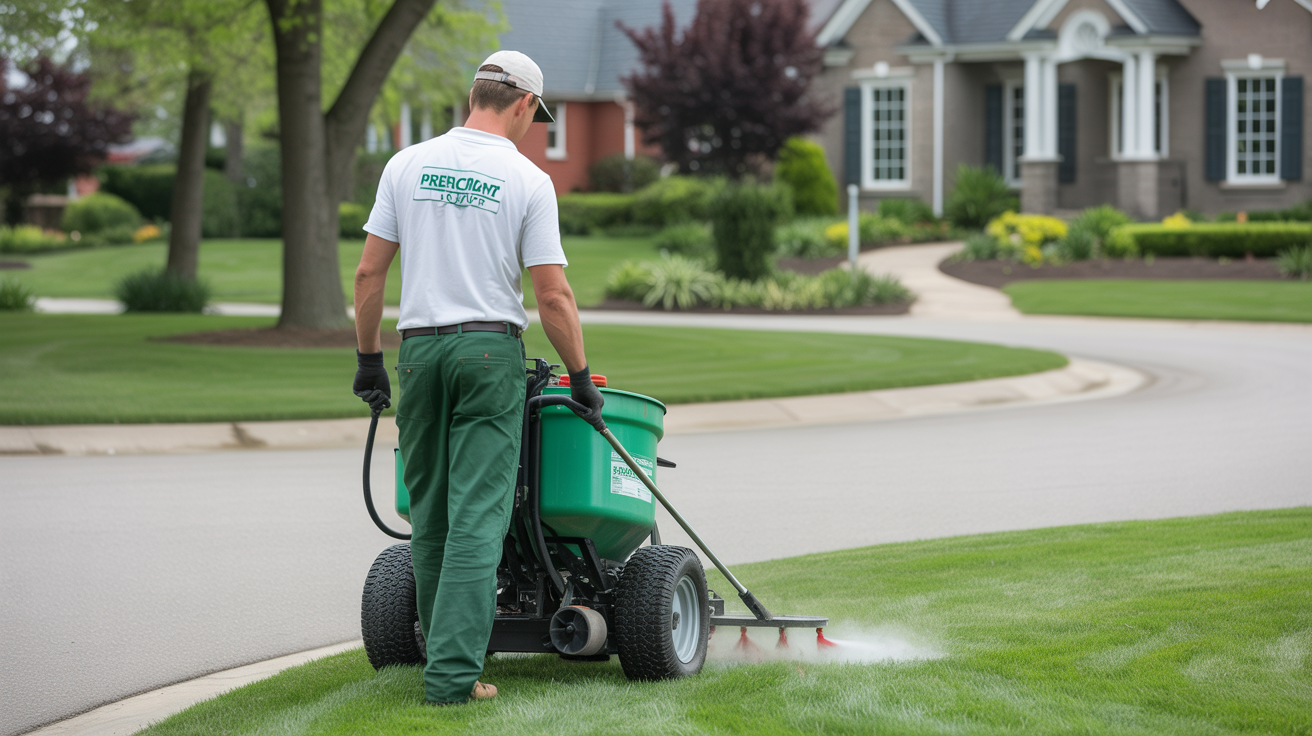
Use a calibrated spreader for uniform coverage. Uneven application creates gaps where weeds can grow.
Walk at a steady pace while spreading. Rushing or walking slowly causes uneven distribution.
Apply in two directions for best coverage. Make one pass in one direction, then apply the remaining product perpendicular to the first pass.
Mark treated areas to avoid missing spots or over-applying to sections. Use landscape paint or flags for large properties.
Water Correctly After Application
Apply water within the timeframe specified on the product label. Most products need watering within 24-48 hours.
Use enough water to move herbicide into soil without causing runoff. Typically half an inch of water works well.
Avoid heavy watering that washes product away. Light to moderate irrigation activates the barrier effectively.
Plan Split Applications
Some products work better with split applications. Apply half the recommended rate in early spring and half six to eight weeks later.
This strategy extends protection throughout the growing season. It helps in areas with long growing seasons or heavy weed pressure.
Split applications cost slightly more but provide superior control. Consider this option if single applications failed in previous years.
Keep Records
Document application dates, products used, and results. This information helps you refine timing and product selection.
Note weather conditions during and after application. Temperature and rainfall affect product performance.
Track problem areas where weeds break through. These spots may need spot treatment or different products next year.

Product Selection Tips
Choose herbicides designed for your specific grass type and target weeds for maximum effectiveness.
- Match grass type compatibility
- Target specific weed species
- Consider combination products
- Check active ingredient duration
Application Techniques
Proper application methods ensure even coverage and effective weed prevention across your entire lawn.
- Calibrate spreader settings
- Apply in two directions
- Maintain steady walking pace
- Mark treated areas clearly
Timing Strategies
Strategic timing based on soil temperature and weed germination patterns maximizes herbicide effectiveness.
- Monitor soil temperature daily
- Apply before germination starts
- Consider split applications
- Plan around weather forecasts
Integrate With Overall Lawn Care
Pre-emergent weed control works best as part of a complete lawn care program. Healthy grass naturally resists weed invasion.
Maintain proper mowing height for your grass type. Taller grass shades soil and prevents many weed seeds from germinating.
Water deeply but infrequently to encourage deep root growth. Strong grass crowds out weeds more effectively.
Fertilize according to your grass type's needs. Well-fed lawns grow thick enough to block weed establishment.
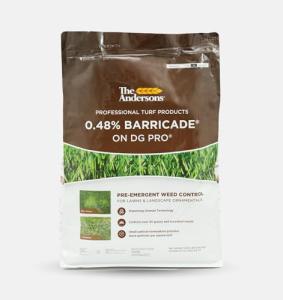
Andersons Granular Pre-Emergent Weed Control 18 lb
Keep your garden weed-free with this easy-to-apply pre-emergent solution that tackles stubborn weeds before they sprout
Product information
$46.88
Product Review Score
4.75 out of 5 stars
130 reviewsProduct links
Get Professional Pre-Emergent Results
Our comprehensive lawn care programs include perfectly-timed pre-emergent applications with guaranteed results. We handle everything from soil temperature monitoring to product selection and application. Enjoy a weed-free lawn without the hassle or guesswork.
Selecting the Best Pre-Emergent Products for Your Lawn

The market offers dozens of pre-emergent herbicide options. Understanding product differences helps you choose the most cost-effective solution for your lawn.
Granular Versus Liquid Products
Granular herbicides come in pellet form that you spread with a broadcast or drop spreader. These products offer easy application and typically cost less per application.
Liquid herbicides require spraying equipment. They provide a more precise application but need more equipment investment.
Most homeowners find granular products easier to use. Professionals often prefer liquid applications for large properties.
Common Active Ingredients
Prodiamine provides long-lasting control of many grass and broadleaf weeds. Products containing prodiamine typically protect lawns for three to five months.
Pendimethalin works well for crabgrass foxtail and other common lawn weeds. This ingredient remains active for two to four months.
Dithiopyr offers both pre-emergent and early post-emergent control. It can kill very young crabgrass seedlings that just emerged.
Benefin and trifluralin provide economical options with good grass weed control. These ingredients work well in combination products.
Combination Products
Many products combine pre-emergent herbicides with lawn fertilizer. These "weed and feed" options save application time and effort.
Consider whether your lawn needs fertilization when you need pre-emergent treatment. If timing aligns, combination products offer good value.
Separate applications provide more flexibility. You can apply herbicide at the optimal time and fertilize when your grass needs nutrients.
Organic and Natural Options
Corn gluten meal offers organic pre-emergent weed control. This natural product prevents weed seeds from developing roots.
Corn gluten requires higher application rates than synthetic herbicides. It also adds nitrogen to your lawn as it breaks down.
Natural products typically cost more and provide shorter protection periods. They work best for homeowners committed to organic lawn care.
| Active Ingredient | Duration | Target Weeds | Cost Level |
| Prodiamine | 3-5 months | Broadleaf weeds, grassy weeds | Medium |
| Pendimethalin | 2-4 months | Crabgrass, foxtail, chickweed | Low-Medium |
| Dithiopyr | 3-4 months | Crabgrass, young seedlings | Medium-High |
| Benefin | 2-3 months | Annual grasses | Low |
| Corn Gluten | 4-6 weeks | Various annual weeds | High |
Understanding the Limitations of Pre-Emergent Weed Control
Pre-emergent herbicides provide excellent weed prevention but have specific limitations. Understanding what these products cannot do prevents disappointment and wasted money.
Cannot Kill Existing Weeds
Pre-emergent products only prevent new weed seeds from germinating. They do not affect weeds already growing in your lawn.
You need post-emergent herbicides or manual removal for established weeds. Clear existing weeds before or shortly after applying pre-emergent products.
Some homeowners waste money expecting pre-emergent to kill visible weeds. This misunderstanding leads to product failure and frustration.
Limited Effect on Perennial Weeds
Perennial weeds spread through root systems and existing plants. Pre-emergent barriers cannot stop these growth patterns.
Weeds like dandelions, clover, and ground ivy require different control strategies. Post-emergent herbicides or ongoing management programs work better for these plants.
Focus pre-emergent efforts on annual weeds that grow from seeds each year. This includes crabgrass, foxtail, and chickweed.
Barrier Breaks Down Over Time
All pre-emergent herbicides eventually break down in soil. Protection typically lasts two to five months depending on the product.
Long growing seasons may require multiple applications per year. Southern regions often need spring and fall treatments for complete protection.
Budget for the number of applications your region requires. Single applications rarely provide year-round protection in warm climates.
Environmental Factors Affect Performance
Heavy rainfall can wash away herbicide barriers. Excessive watering or severe storms reduce effectiveness.
Extreme temperatures affect how long products remain active. Very hot weather accelerates breakdown while cold conditions may reduce initial effectiveness.
Soil type influences herbicide performance. Sandy soils may need more frequent applications than clay soils.
What Pre-Emergent Does Well
- Prevents annual weed seeds from germinating
- Controls crabgrass foxtail ,and similar grassy weeds
- Stops many broadleaf weeds before they sprout
- Reduces overall weed pressure in lawns
- Provides season-long protection with proper application
- Works on both residential and commercial properties
What Pre-Emergent Cannot Do
- Kill weeds already growing in your lawn
- Control perennial weeds spreading by roots
- Prevent weeds if applied after germination
- Last forever without reapplication
- Work without proper watering activation
- Allow grass seeding at the same time
Cost Analysis: DIY Versus Professional Pre-Emergent Application
Understanding the true cost of weed control helps you make informed decisions. Many homeowners find professional service costs less than failed DIY attempts.
DIY Application Costs
Pre-emergent herbicides for a 5,000-square-foot lawn typically cost between $40 and $80 per application. Larger properties need proportionally more product.
Equipment costs add to your investment. A quality broadcast spreader costs $50 to $150.
You also need a soil thermometer, measuring tools, and possibly watering equipment. Initial equipment investment can exceed two hundred dollars.
Time represents another cost factor. Researching products, timing application, and completing the work takes several hours per application.
Professional Service Costs
Professional lawn care companies charge between $60 and $150 per application for average-sized lawns. This includes product, equipment, expertise, and guarantees.
Comprehensive programs with multiple applications per year typically cost two hundred to five hundred dollars. These programs often include other lawn care services.
Professional services guarantee results. If weeds break through, companies typically retreat at no additional cost.
Hidden Costs of DIY Mistakes
Failed applications waste product costs completely. Late timing or improper application means buying more product for a second attempt.
Lawn damage from using incorrect products or applying at incorrect rates can cost hundreds to repair. Choosing the wrong herbicide may harm your grass.
Time spent researching, shopping, and applying products has value. Many homeowners spend five to ten hours per application when including all tasks.
Weed invasion from failed prevention requires expensive post-emergent treatments or lawn renovation. Professional weed removal can cost several hundred dollars.
When DIY Makes Sense
DIY pre-emergent application works well for homeowners who meet these criteria and have the time to do it properly.
- You have experience with lawn care and herbicides
- Your lawn is relatively small and manageable
- You already own the necessary equipment
- You can monitor soil temperature and timing accurately
- You have time for proper research and application
- You enjoy lawn care as a hobby
Professional Service Benefits
- Expert timing eliminates guesswork
- Proper equipment and calibration
- Result guarantees and retreatment
- Time savings for busy homeowners
- Comprehensive lawn care programs
Regional Considerations for Pre-Emergent Timing and Selection

Your location dramatically affects pre-emergent weed control strategies. Regional climate, grass types, and weed species require different approaches.
Northern Climate Applications
Northern states typically need one spring application in April or early May. Soil warms later, delaying weed seed germination.
Cool-season grasses dominate northern lawns. Products must be compatible with Kentucky bluegrass, fescue, and perennial ryegrass.
Fall applications provide less benefit in northern regions. Short growing seasons mean fewer fall-germinating weeds.
Southern Climate Strategies
Southern lawns often require two or three applications per year. Long growing seasons support multiple weed germination cycles.
Spring applications may start as early as February in coastal areas. Soil temperatures reach germination levels much earlier than northern regions.
Fall treatments prevent winter weeds that thrive in southern climates. Products targeting chickweed and annual bluegrass work well for fall application.
Warm-season grasses require specific product selection. Ensure herbicides are safe for Bermuda, zoysia, St. Augustine, or centipede grass.
Transitional Zone Challenges
The transitional zone between northern and southern climates presents unique challenges. This region includes parts of Virginia, Kentucky, Tennessee, and similar states.
Both cool and warm-season grasses grow in transitional areas. Product selection must consider which grass type you maintain.
Two applications per year typically work best. Spring and fall treatments provide comprehensive weed prevention.
Western Arid Regions
Dry western climates may need different timing due to irregular rainfall patterns. Irrigation schedules affect when you can apply products.
Some areas have year-round growing seasons at lower elevations. High-altitude areas follow northern timing patterns.
Water availability influences product selection. Some herbicides require more watering than others.
Frequently Asked Questions About Pre-Emergent Weed Control
Can I apply pre-emergent herbicide and grass seed at the same time?
No, pre-emergent herbicides prevent all seeds from germinating, including grass seed. Wait at least 8-12 weeks after pre-emergent application before seeding, or seed first and wait until the new grass is established before applying herbicide. Check product labels for specific waiting periods.
How long does pre-emergent weed control last?
Most pre-emergent herbicides remain effective for 2-5 months, depending on the active ingredient, soil type, temperature, and rainfall. Products containing prodiamine typically last longer than those with pendimethalin. Areas with long growing seasons often need multiple applications per year for continuous protection.
What happens if I apply pre-emergent too late?
Late application after weed seeds have already germinated wastes the product completely. Pre-emergent herbicides only prevent seeds from sprouting and cannot kill existing weeds. If you see weed seedlings, you need a post-emergent herbicide instead. Monitor soil temperature and apply before germination begins.
Is pre-emergent herbicide safe for pets and children?
When applied according to label directions, pre-emergent herbicides are generally safe after drying. Keep pets and children off treated areas until the product dries completely, typically 24-48 hours. Always read and follow all label safety instructions. Consider watering after application to move the herbicide into the soil and away from surface contact.
Do I need to apply pre-emergent every year?
Yes, annual applications are necessary because herbicides break down and new weed seeds enter your lawn constantly. Wind, birds, and foot traffic bring new seeds to your property each year. Consistent annual treatment prevents weed seed buildup in soil and maintains a weed-free lawn.
Can rain wash away pre-emergent herbicide?
Light to moderate rain helps activate pre-emergent herbicides and is actually beneficial. However, heavy rainfall shortly after application can wash away the product before it bonds with soil particles. If heavy rain occurs within 24 hours of application, you may need to reapply. Wait for stable weather conditions when possible.
Making Smart Decisions About Pre-Emergent Weed Control

Effective pre-emergent weed control saves money and creates beautiful lawns. Understanding when to apply herbicides and avoiding common mistakes makes the difference between success and wasted investment.
Timing matters more than any other factor. Apply products when soil temperatures reach the right range for target weed germination. Use soil thermometers rather than guessing based on calendar dates.
Select products designed for your specific grass type and target weeds. Read labels carefully and follow all application instructions. Water properly to activate herbicides and avoid disturbing soil after treatment.
Recognize that pre-emergent products prevent weeds but cannot kill existing plants. Combine pre-emergent strategies with post-emergent control for comprehensive weed management.
Consider whether DIY application or professional service makes more sense for your situation. Account for equipment costs, time investment, and the value of guaranteed results when making this decision.
Regional climate affects everything from timing to product selection. Adapt recommendations to your specific location and growing conditions for best results.
Smart pre-emergent weed control provides months of protection and reduces overall lawn maintenance needs. The investment pays dividends through reduced weed pressure and a healthier, more attractive lawn.
Ready for a Weed-Free Lawn?
Take the guesswork out of pre-emergent weed control with our professional lawn care service. We provide perfectly-timed applications, guaranteed results, and comprehensive lawn health programs. Contact us today for a free consultation and custom treatment plan for your property.
DISCLAIMER
This document is provided for general information purposes only and should not be relied upon as providing legal advice, technical, or specific operational guidance to the reader, whether as to the practices described in the document or the applicable legal requirements and regulations. Lawnfly.com expressly disclaims any responsibility for liability arising from or related to the use or misuse of any information in this document.