Spring Lawn Care Checklist for 2026: Month-by-Month Guide

Spring brings new life to your yard. Your lawn wakes from winter dormancy and needs specific care at the right time. This comprehensive spring lawn care guide walks you through every task your grass needs from March through June.
Many homeowners struggle with timing their lawn maintenance. Applying fertilizer too early wastes money. Mowing at the wrong height damages grass. This month-by-month checklist eliminates guesswork and sets your lawn up for success all season long.
Understanding Spring Lawn Care Basics

Spring lawn care differs from other seasons because grass exits dormancy during this time. Cool-season grasses like fescue and bluegrass experience their primary growth period. Warm-season grasses such as Bermuda and zoysia slowly wake as temperatures rise.
Your lawn needs three essential elements during spring. First, soil must warm to trigger active growth. Second, grass requires specific nutrients to support new blade development. Third, proper moisture levels help roots establish deeper systems before summer heat arrives.
The spring season presents unique challenges. Weeds germinate aggressively when soil temperatures reach certain thresholds. Winter damage becomes visible as snow melts and reveals dead patches. Compacted soil from winter freezing and thawing cycles restricts air flow to roots.
Cool-Season Grasses
These grass types thrive in spring and fall with optimal growth between 60-75°F. They include popular varieties found across northern regions.
- Kentucky bluegrass forms dense, attractive turf
- Tall fescue tolerates heat and drought well
- Perennial ryegrass germinates quickly for repairs
- Fine fescue grows in shaded areas successfully
Warm-Season Grasses
These varieties prefer hot weather and grow actively when temperatures exceed 80°F. Southern lawns typically feature these grass types.
- Bermudagrass creates wear-resistant lawns
- Zoysiagrass forms thick, carpet-like coverage
- St. Augustine thrives in coastal regions
- Centipedegrass requires minimal maintenance
Spring Growth Patterns
Understanding how your grass type grows helps time your care activities correctly throughout the spring season.
- Root development accelerates before blade growth
- Nutrient uptake increases with soil temperature
- Photosynthesis intensifies with longer daylight
- Water needs change as weather warms
Common Spring Issues
Several problems emerge during spring that require prompt attention to prevent long-term lawn damage and decline.
- Snow mold creates circular brown patches
- Crabgrass seeds germinate when soil warms
- Compaction limits oxygen reaching roots
- Thatch buildup prevents water penetration
March: Early Spring Preparation

March marks the beginning of your spring lawn care routine. This month focuses on assessment and preparation rather than aggressive treatment. Your grass remains mostly dormant, but important groundwork happens now.
Cool-season grasses begin showing signs of life in March. New growth appears at the base of plants as soil temperatures climb above 40°F. Warm-season grasses stay fully dormant and should not receive much attention yet.
Clean Up Winter Debris

Remove all leaves, branches, and debris that accumulated during winter months. This material blocks sunlight and traps moisture against grass crowns. Rake gently to avoid damaging emerging growth.
Dead leaves create a perfect environment for disease development. They also smother new grass shoots trying to reach sunlight. A thorough cleanup allows air circulation and light penetration to the soil layer.
Assess Lawn Damage
Walk your entire yard and identify problem areas. Look for bare patches where grass died over winter. Note any low spots where water pools after rain. Mark areas with significant weed pressure or disease signs.
Document these issues with photos or notes. This information guides your care plan for the coming months. Some damage repairs happen immediately while others wait until optimal timing later in spring.
Check and Service Equipment

Inspect your mower before the first cut of the year. Change the oil and replace the spark plug if needed. Sharpen or replace blades to ensure clean cuts that promote healthy grass growth.
Check your spreader for proper calibration. Test the sprinkler system for broken heads or coverage gaps. Make sure all garden tools are clean and ready for the busy season ahead.
March Task Checklist
- Remove all winter debris from lawn surface
- Rake gently to lift matted grass
- Document bare spots and damage areas
- Service mower with oil change
- Sharpen mower blades for clean cuts
- Replace spark plugs if necessary
- Test sprinkler system operation
- Calibrate fertilizer spreader settings
What to Avoid in March
- Walking on frozen or soggy lawn areas
- Applying fertilizer to dormant grass
- Aggressive raking that damages crowns
- Mowing before grass actively grows
- Overseeding in cold soil temperatures
- Heavy equipment use on wet soil
Start Your Spring Right with Professional Soil Analysis
Understanding your soil condition makes all the difference. Our certified lawn care experts provide comprehensive soil testing and create customized spring treatment plans for your specific grass type and yard conditions.
April: Active Growth Begins

April represents peak activity for cool-season lawns. Grass grows vigorously as soil temperatures stabilize between 50-65°F. This month requires your most intensive lawn care efforts to capitalize on optimal growing conditions.
Your spring lawn needs specific nutrients now to support the rapid growth happening both above and below ground. Roots extend deeper into the soil while blades thicken and multiply. The right care this month sets the foundation for summer resilience.
Apply Pre-Emergent Herbicide

Pre-emergent products prevent weed seeds from germinating. Apply when forsythia bushes bloom or when soil temperature reaches 55°F for three consecutive days. This timing stops crabgrass before it emerges.
Choose a pre-emergent fertilizer combination if your lawn needs both weed prevention and nutrients. Follow label instructions carefully for application rates. Water lightly after application to activate the product and move it into the soil layer where weed seeds wait.
Fertilize Cool-Season Grasses
April offers the best time for the first fertilizer application on cool-season lawns. Select a slow-release nitrogen fertilizer with a ratio like 20-5-10. This provides steady nutrition over several weeks without rapid flush growth.
Apply one pound of nitrogen per 1000 square feet of lawn area. Use a calibrated spreader for even coverage. Avoid fertilizing during drought conditions or when rain isn't forecasted within a few days.
Begin Regular Mowing

Start mowing when grass reaches one-third taller than your target height. For most cool-season grasses, maintain height between 2.5 to 3.5 inches. Taller grass develops deeper roots and shades out weed seeds.
Never remove more than one-third of the blade length in a single mowing session. Sharp blades make clean cuts that heal quickly. Dull blades tear grass and create entry points for disease organisms.
Overseed Bare Patches
April provides excellent conditions for overseeding thin or bare lawn areas. Soil temperatures support quick germination while moisture levels remain adequate. Prepare bare spots by loosening the top inch of soil.
Choose grass seed matching your existing lawn type. Apply at recommended rates and cover lightly with compost or topsoil. Keep seeded areas moist until grass reaches mowing height.

Spring Fertilizer
Slow-release nitrogen formulas provide steady feeding throughout the active spring growth period for cool-season lawns.

Pre-Emergent Control
Crabgrass preventers create a barrier that stops weed seeds from sprouting when applied at the right soil temperature.

Quality Grass Seed
Premium seed blends establish quickly in spring conditions and match existing lawn varieties for uniform appearance.
Aerate if Needed

Core aeration relieves soil compaction and improves air and water movement to grass roots. Spring aeration works well for cool-season grasses experiencing heavy thatch or compaction issues. The process removes small soil cores.
Rent a core aerator or hire professionals for large areas. Make several passes in different directions for thorough coverage. Leave soil cores on the lawn surface to break down naturally and return organic matter to the soil.
Control Broadleaf Weeds
Dandelions and other broadleaf weeds emerge actively in April. Spot-treat visible weeds with appropriate herbicides when plants actively grow. Choose selective herbicides that target weeds without harming grass.
Apply weed control on calm days when temperatures stay below 85°F. Avoid treating newly seeded areas for at least six weeks. Some weeds require multiple applications spaced several weeks apart for complete control.
April Watering Tip: Spring rainfall usually provides adequate moisture. Water only if you experience a dry week with no rain. Early morning watering reduces disease risk and conserves water through less evaporation.
May: Maintenance and Monitoring

May transitions your lawn from rapid spring growth to preparation for summer conditions. Cool-season grasses slow their growth rate as temperatures climb. Warm-season grasses begin active growth and need attention now.
Your focus shifts to maintenance routines that preserve the health established in March and April. Consistent mowing, appropriate watering, and vigilant monitoring prevent problems from developing as weather patterns change.
Adjust Mowing Frequency
Grass grows faster in May requiring more frequent mowing sessions. Maintain your established cutting height and stick to the one-third rule. You may need to mow twice per week during peak growth.
Leave grass clippings on the lawn unless they clump heavily. Clippings return valuable nitrogen and organic matter to the soil. They do not contribute to thatch layer buildup when mowed regularly.
Monitor for Pests and Disease

Watch for brown patches, irregular discoloration, or unusual growth patterns. These signs indicate possible pest infestations or disease development. Early detection allows for easier treatment and prevents widespread damage.
Common May lawn pests include grubs beginning their feeding cycle and chinch bugs in warm-season grasses. Fungal diseases appear during humid conditions with poor air circulation. Proper identification guides effective treatment choices.
Adjust Watering Schedule
May weather varies considerably across regions. Some areas experience regular rainfall while others turn dry and warm. Your lawn needs approximately one inch of water per week including rainfall.
Deep, infrequent watering encourages deeper root growth compared to frequent shallow watering. Water early in the morning to minimize evaporation and disease risk. Use rain gauges or empty tuna cans to measure water application.
Cool-Season Grass Care in May
- Reduce nitrogen fertilizer applications
- Maintain 3-inch mowing height minimum
- Monitor for heat stress signs
- Ensure adequate soil moisture
- Watch for fungal disease development
Warm-Season Grass Care in May
- Apply first fertilizer application now
- Begin regular mowing schedule
- Overseed thin areas with matching grass
- Apply pre-emergent for summer weeds
- Increase watering as temperatures rise
Address Remaining Weeds

Hand-pull weeds in small areas or spot-treat with herbicides. May represents the last opportunity for spring weed control before summer heat arrives. Focus on perennial weeds that spread through root systems.
Maintain thick, healthy grass as your best weed prevention strategy. Proper mowing height, adequate fertilization, and appropriate watering create conditions where grass outcompetes most weed species naturally.
Spring Equipment Care
Clean your mower deck after each use to prevent rust and buildup. Check tire pressure and oil levels regularly. Keep blades sharp throughout the season for the healthiest grass cuts.
Service your irrigation system by checking for leaks, adjusting sprinkler heads, and programming controllers for current season needs. Replace worn nozzles or broken components before they waste water or create dry spots.

Blade Sharpener
Keep mower blades sharp all season with proper sharpening tools for clean cuts that promote healthy grass recovery.

Rain Gauge
Accurately measure rainfall and irrigation to provide exactly one inch of water per week for optimal lawn health.

Quality Sprinkler
Invest in efficient sprinklers that provide even coverage and deep watering without runoff or water waste.
June: Summer Transition Preparation

June marks the transition from spring growth to summer survival mode for most lawns. Cool-season grasses enter a semi-dormant state as heat increases. Warm-season grasses hit their growth stride and thrive in rising temperatures.
Your care strategy shifts toward stress prevention and maintenance. The work completed in earlier spring months pays dividends now as established root systems and thick turf resist heat and drought better than neglected lawns.
Raise Mowing Height
Increase cutting height by a half-inch to one inch for cool-season grasses. Taller grass shades soil and reduces water evaporation. It also develops deeper roots that access moisture from lower soil layers during dry periods.
Warm-season grasses maintain their normal height range. Bermudagrass stays around one inch while St. Augustine grows best at 2.5 to 3 inches. Follow specific recommendations for your grass type and local climate conditions.
Manage Heat Stress

Watch for signs of drought stress including blue-gray color, wilting blades, or footprints remaining visible after walking across grass. These signals indicate your lawn needs water soon to prevent damage.
Water deeply when stress appears rather than maintaining a fixed schedule. Applying one to one and a half inches of water per week during hot, dry periods helps grass survive. Early morning irrigation remains the best time for application.
Minimize Lawn Traffic
Reduce foot traffic and heavy use on stressed lawn areas. Heat-stressed grass recovers slowly from damage. Create alternative pathways or designate specific play areas to preserve the rest of your yard.
Avoid using heavy equipment on the lawn during hot, dry weather. Compaction damage becomes worse when soil lacks adequate moisture. Postpone aeration or renovation projects until fall when conditions improve.
Continue Weed Management

Annual weeds like crabgrass become visible in June despite pre-emergent applications. Post-emergent herbicides control emerged weeds but work best when plants are young. Treat problem areas promptly before weeds spread further.
Avoid herbicide applications during extreme heat above 85°F. High temperatures increase chemical stress on both weeds and desirable grass. Early morning or late evening treatments work better during summer months.
Watch for Summer Diseases
Hot, humid conditions promote fungal disease development. Brown patch, dollar spot, and pythium blight affect stressed lawns. Good cultural practices prevent most disease problems without fungicide applications.
Improve air circulation by removing low tree branches and pruning dense shrubs. Avoid evening watering that leaves grass wet overnight. Reduce nitrogen fertilization during summer to prevent succulent growth susceptible to disease.
June Fertilization Note: Cool-season grasses should not receive fertilizer in June. The stress of heat and fertilizer combined damages grass. Warm-season grasses benefit from a light feeding with slow-release nitrogen this month.
June Cool-Season Lawn Tasks
- Raise mower height to 3.5 or 4 inches
- Water deeply and infrequently as needed
- Skip fertilizer applications completely
- Mow less frequently as growth slows
- Monitor closely for disease symptoms
- Minimize all lawn traffic and use
June Warm-Season Lawn Tasks
- Maintain regular mowing at recommended height
- Apply light nitrogen fertilizer feeding
- Water consistently one inch per week
- Control emerged summer annual weeds
- Watch for chinch bug damage signs
- Continue normal lawn use and activities
Let Professionals Handle Your Summer Lawn Care
Summer lawn stress requires expert knowledge and precise timing. Our certified lawn care specialists provide customized treatment programs that keep your grass healthy through the hottest months. We handle everything from proper watering schedules to disease prevention.
Essential Spring Lawn Care Tools and Equipment

Success with your spring lawn care checklist requires the right equipment. Quality tools make tasks easier and deliver better results than budget alternatives. Investment in proper equipment pays returns through years of reliable service and healthier lawns.
Mowing Equipment
A reliable mower forms the foundation of lawn care. Rotary mowers work well for most homeowners while reel mowers suit smaller yards and environmentally conscious users. Consider your lawn size and terrain when selecting equipment.
Self-propelled mowers reduce fatigue on slopes and large areas. Mulching capability eliminates bagging and returns nutrients to soil. Look for easy height adjustment and comfortable controls for frequent use throughout the growing season.
Spreaders and Applicators

Broadcast spreaders cover large areas quickly with fertilizer and seed. Drop spreaders provide precise application along edges and in tight spaces. Calibrate your spreader according to product labels for accurate application rates.
Hand-held spreaders work for small yards or spot treatments. Invest in a quality spreader with durable construction and easy-to-read settings. Clean thoroughly after each use to prevent corrosion and ensure accurate future applications.
Irrigation Systems
In-ground sprinkler systems provide convenient, automated watering. Portable sprinklers cost less and offer flexibility for changing needs. Choose sprinklers that match your yard shape and provide even coverage without runoff.
Timer controllers automate watering schedules and reduce waste. Smart controllers adjust for weather conditions and soil moisture. Drip irrigation works well for garden beds and reduces water use compared to overhead sprinklers.

Quality Mower
Self-propelled rotary mower with mulching capability and easy height adjustment for efficient lawn maintenance all season.

Broadcast Spreader
Calibrated spreader ensures even fertilizer and seed distribution across large lawn areas with minimal effort and maximum accuracy.

Smart Controller
Programmable irrigation timer adjusts watering based on weather conditions to conserve water while maintaining optimal lawn moisture.
Soil Testing and Analysis Tools
Soil test kits reveal pH levels and nutrient deficiencies. Professional lab testing provides detailed analysis and specific recommendations. Test soil every two to three years to guide fertilizer selection and amendment applications.
Moisture meters help determine when lawns need water. Soil thermometers indicate optimal timing for seeding and pre-emergent applications. These simple tools remove guesswork and improve care timing.
Maintenance and Repair Tools

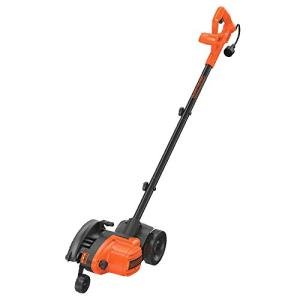
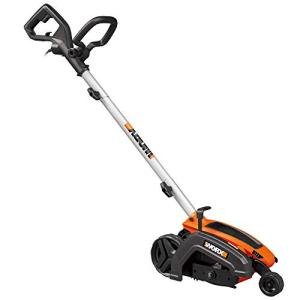
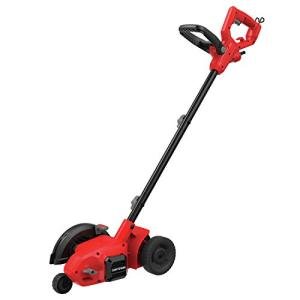
Edge trimmers create clean borders along sidewalks and driveways. Thatch rakes remove dead material buildup. Hand aerators work for small areas while powered aerators tackle larger yards efficiently.
Keep basic hand tools including shovels, rakes, and pruners readily available. A good garden hose with adjustable nozzle serves multiple purposes. Store all tools properly to extend their useful life and maintain performance.
Understanding Grass Types and Regional Differences

Successful spring lawn care depends on understanding your specific grass type and regional climate. Different grasses have unique needs and optimal care windows. What works perfectly in one region may damage lawns in another area.
Cool-Season Grass Characteristics
Cool-season grasses thrive in northern regions with cold winters and moderate summers. They grow actively in spring and fall when temperatures range between 60-75°F. Summer heat slows growth and may cause dormancy during extended hot periods.
These grasses develop deep root systems during spring that help survive summer stress. Spring represents their primary fertilization window. Overseeding and major renovations happen in fall rather than spring for best results.
Warm-Season Grass Characteristics

Warm-season grasses dominate southern lawns where winters stay mild and summers turn hot. They enter dormancy during winter and turn brown until spring warmth returns. Active growth begins when soil temperatures exceed 65°F consistently.
Late spring and summer represent peak growing periods for these grasses. They tolerate heat and drought better than cool-season varieties. Spring fertilization starts later, typically in May or June depending on your specific location.
Transition Zone Challenges
The transition zone stretches across the middle United States where neither grass type thrives perfectly. Hot summers stress cool-season grasses while cold winters damage warm-season varieties. Homeowners face unique challenges managing lawns in this region.
Tall fescue performs best among cool-season options in transition zones. Zoysiagrass handles cold better than other warm-season grasses. Expect more intensive care requirements and accept that your lawn may not look perfect year-round.
| Grass Type | Best Regions | Spring Growth Start | Primary Care Season |
| Kentucky Bluegrass | Northern states, high elevation | March-April | Spring and Fall |
| Tall Fescue | Transition zone, northern areas | March-April | Spring and Fall |
| Perennial Ryegrass | Coastal regions, northern states | March-April | Spring and Fall |
| Bermudagrass | Southern states, warm climates | Late April-May | Late Spring through Summer |
| Zoysiagrass | Transition zone, southern regions | May | Late Spring through Summer |
| St. Augustine | Coastal South, warm humid areas | April-May | Late Spring through Summer |
Regional Timing Adjustments
Spring arrives at different times across the country. Southern regions start spring tasks in February while northern areas wait until late April or May. Use soil temperature rather than calendar dates to time critical applications.
Coastal areas experience milder temperature swings than inland regions. Mountain locations face late frosts that delay spring work. Pay attention to local frost dates and average last freeze information for your specific area.
Common Spring Lawn Problems and Solutions

Spring reveals lawn damage that winter hid beneath snow and dormant grass. Many problems share similar symptoms making diagnosis challenging. Understanding common issues and their solutions helps you respond quickly with effective treatments.
Snow Mold and Winter Disease
Circular patches of matted, discolored grass indicate snow mold. This fungal disease develops under snow cover during winter. Gray or pink colored fungi may be visible on grass blades in affected areas.
Rake affected areas gently to break up matted grass and improve air circulation. Most snow mold disappears as weather warms and grass resumes growth. Severe cases may need fungicide treatment and overseeding to restore coverage.
Compacted Soil Issues

Heavy foot traffic and winter freeze-thaw cycles compact soil. Water pools on the surface rather than soaking in. Grass roots struggle to penetrate dense soil and access nutrients and oxygen.
Core aeration provides the most effective solution for compaction. The process removes small soil plugs and creates channels for air and water movement. Spring aeration works well for cool-season lawns while warm-season grasses prefer fall treatment.
Thatch Accumulation
A thick layer of dead grass stems and roots between living grass and soil indicates excessive thatch. Moderate thatch provides beneficial cushioning but thick layers prevent water and nutrients from reaching roots.
Measure thatch by removing a small soil plug. More than half an inch of brown, spongy material requires action. Power raking or dethatching removes excess buildup. Follow with overseeding to fill in thin areas.
Broadleaf Weed Invasion

Dandelions, clover, and plantain spread rapidly in spring. These weeds germinate in thin turf areas and compete with grass for resources. Spring provides the best time for broadleaf weed control when plants actively grow.
Selective herbicides kill broadleaf weeds without harming grass. Apply when weeds actively grow but before they flower and spread seeds. Spot treatments work for minor infestations while broadcast applications address widespread problems.
Crabgrass Emergence
This annual grassy weed germinates when soil temperatures reach 55-60°F for several consecutive days. Pre-emergent herbicides prevent germination but timing is critical for effectiveness.
Apply pre-emergent when forsythia blooms appear or soil reaches target temperature. Reapply according to product labels for extended control. Post-emergent crabgrass control becomes difficult once plants establish so prevention works best.
Professional Lawn Care Benefits
- Expert diagnosis of complex problems
- Proper timing of all treatments
- Commercial-grade products and equipment
- Guaranteed results with service plans
- Saves time for busy homeowners
- Consistent maintenance schedule
DIY Lawn Care Challenges
- Requires equipment investment
- Time commitment throughout season
- Learning curve for proper techniques
- Product selection can be confusing
- Mistakes may damage lawn
- Inconsistent results possible
Grub Damage Recognition
White grubs feed on grass roots causing irregular brown patches that lift easily from soil. These C-shaped larvae live just below the soil surface. Spring damage appears where grubs fed during late summer and fall.
Pull back turf in affected areas to check for grubs. More than five to ten grubs per square foot warrant treatment. Apply grub control products in late spring targeting young larvae or wait until late summer to prevent next year's population.
Frequently Asked Questions About Spring Lawn Care
When should I start my spring lawn care routine?
Begin spring lawn care when grass shows signs of growth and soil is no longer frozen or waterlogged. For cool-season grasses in northern regions, this typically occurs in March or early April. Southern lawns with warm-season grasses may start in late April or May when soil temperatures consistently exceed 65°F. Avoid working on frozen or muddy soil as this causes compaction and damage.
How often should I fertilize my lawn in spring?
Cool-season grasses benefit from one to two fertilizer applications during spring. Apply the first treatment in early to mid-April and a second lighter application in late May if needed. Warm-season grasses receive their first feeding in late May or early June. Avoid over-fertilizing as excess nitrogen promotes rapid growth that weakens grass and increases disease susceptibility.
What is the best mowing height for spring?
Most cool-season grasses perform best at 2.5 to 3.5 inches during spring. Raise height to 3.5 or 4 inches as temperatures increase in late May and June. Warm-season grasses vary by type with Bermudagrass maintained around one inch, zoysiagrass at one to two inches, and St. Augustine at 2.5 to 3 inches. Taller grass develops deeper roots and shades out weed seeds.
Should I bag or mulch grass clippings in spring?
Mulching grass clippings returns valuable nutrients to the soil and reduces fertilizer needs. Leave clippings on the lawn unless they form heavy clumps that smother grass beneath. Regular mowing prevents excessive clipping buildup. Bag only during rapid spring growth periods or when treating for disease to prevent spread of infected material.
How much water does my lawn need in spring?
Lawns typically need one inch of water per week including rainfall during the spring season. Early spring often provides adequate natural moisture making supplemental irrigation unnecessary. Begin regular watering in late May or June when rainfall becomes insufficient. Water deeply and infrequently to encourage deep root development rather than shallow, frequent watering that creates weak root systems.
When is the right time to apply pre-emergent herbicide?
Apply pre-emergent crabgrass control when soil temperatures reach 55°F for three consecutive days or when forsythia bushes bloom in your area. This timing varies by region from late March in southern zones to mid-May in northern areas. Pre-emergent products create a barrier preventing weed seed germination but must be applied before seeds sprout to work effectively.
Can I overseed and apply pre-emergent at the same time?
No, pre-emergent herbicides prevent all seeds including grass seed from germinating. If you need both treatments, apply pre-emergent first then wait the period specified on the product label before seeding, usually six to eight weeks. Alternatively, overseed in fall when pre-emergent is not needed, or use specialized products designed to allow seeding while preventing weed germination.
What causes brown patches in my lawn after winter?
Brown patches result from several causes including snow mold fungus, winter desiccation, dog urine damage, or grub feeding. Snow mold appears as circular patches of matted grass often with visible fungal growth. Desiccation occurs when winter wind and sun dry grass blades. Examine affected areas closely to identify the specific cause before selecting appropriate treatment methods.
Achieving Your Best Lawn This Spring

Following this spring lawn care checklist sets your yard up for success throughout the entire growing year. Each task builds on previous work creating a comprehensive care program. Healthy spring growth establishes strong roots that survive summer stress and support fall recovery.
Remember that lawn care requires patience and consistency. Quick fixes rarely produce lasting results. The time and effort invested during spring months pays dividends through reduced maintenance needs and fewer problems as the season progresses.
Every lawn is unique with specific challenges based on grass type, soil conditions, and local climate. Adapt these general guidelines to your particular situation. Pay attention to how your lawn responds and adjust your care routine accordingly over time.
Don't hesitate to seek professional help when problems exceed your knowledge or available time. Certified lawn care specialists bring expertise and resources that produce results faster than trial and error approaches. Professional soil testing provides specific information that guides fertilizer and amendment decisions.
Your lawn represents a living ecosystem that responds to consistent care with improved health and appearance. Start with the basics of proper mowing, appropriate watering, and timely fertilization. Add advanced practices like aeration and overseeding as you gain experience and confidence.
Spring lawn care creates the foundation for outdoor enjoyment all year. A healthy, attractive lawn provides space for family activities, enhances property value, and contributes to environmental benefits like air quality improvement and soil erosion prevention. Your investment in proper spring care returns benefits far beyond simple aesthetics.
DISCLAIMER
This document is provided for general information purposes only and should not be relied upon as providing legal advice, technical, or specific operational guidance to the reader, whether as to the practices described in the document or the applicable legal requirements and regulations. percussionpros.com expressly disclaims any responsibility for liability arising from or related to the use or misuse of any information in this document.