Keep your gas lawn mower running smoothly with these 5 easy tune-up tips:

Ready, Set, Mow: Top Tips for Tuning Your Gas-Powered Lawn Mower"

Supplies You Will Need to Tune up Your Mower
-
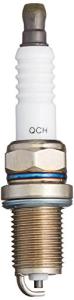
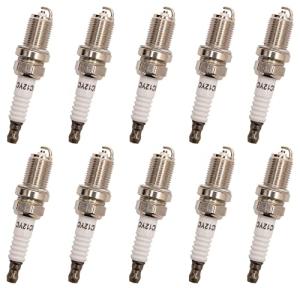
Spark Plug
-
Motor Oil
-
Rags
-
Gripper tool for a spark plug
-
Oil Pan
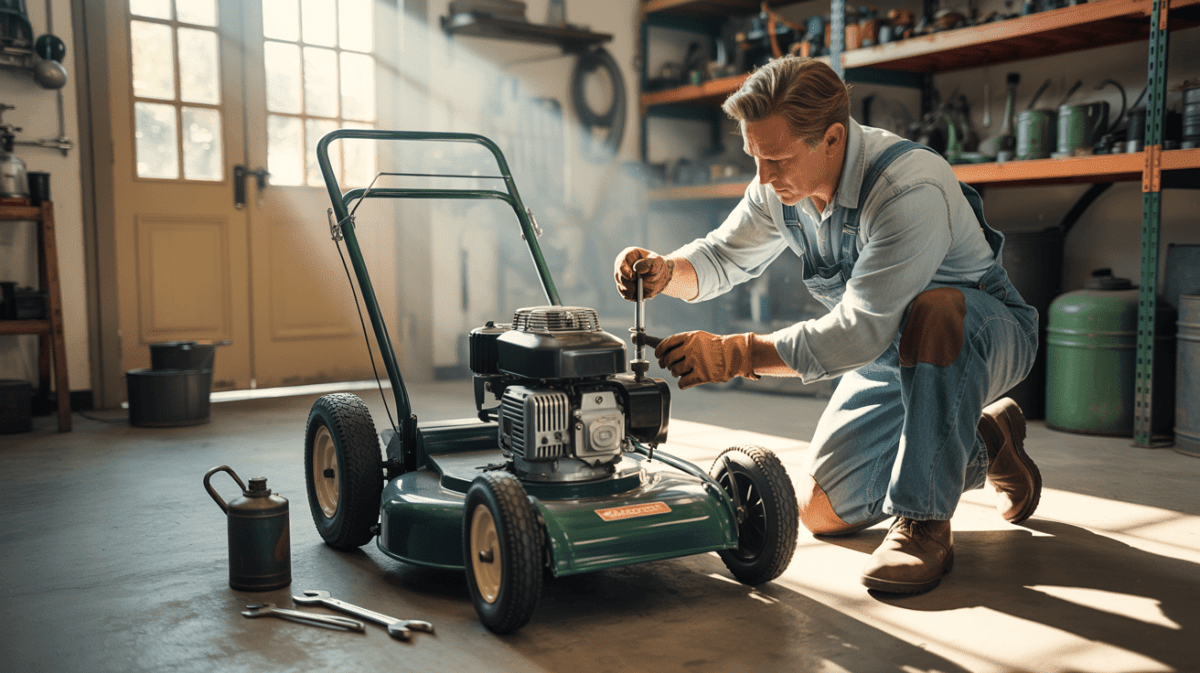
Before starting a tune-up, raise the mower off the ground. This will give you access to all parts, including the undercarriage. Before you tune up your lawnmower, you'll need to know how to properly tip it.
While the mower is tilted, the air filter and carburetor should face upward. If they're facing downward, the oil will spill out of the breather tube, which connects the crankcase to the air box. If oil spills out, it can cause the mower to hydro-lock. To prevent this, ensure the fuel valve is turned off.
1. Change the Air Filter
First, check your lawn mower's air filter. The air filter is crucial to the performance of the engine. You can replace the air filter every few months, or clean it as needed. If the air filter is permanent, make sure it is clean and new. If it's reusable, replace the filter at the end of the season or as recommended by the manufacturer. See filters here on here.
Changing the air filter can make your mower run more smoothly and efficiently, and it won't put too much strain on the engine. Next, inspect the spark plug.
2. Spark Plug
Spark plugs serve as the ignition source of gasoline. If they're failing, they're obvious. If you notice a hard start or large fuel consumption, this could mean that the spark plug is failing. Also, if the blades are dull, they're not cutting the grass as well as they should. You should replace them every two months or so to ensure a smooth-running mower. See spark plugs here on here.
3. Sharpen Mower Blade
Sharp blades make for clean cuts and prevent lawn diseases. Sharp blades can be sharpened using a ratchet and socket or a wrench. If the nut is stuck or rusted, you can try using penetrating oil to loosen it. Then, remove the blades and let them dry. After the blades are clean, use a microfiber cloth to clean them before sharpening.
If you own a professional lawnmower, you will likely need to perform 100-hour services on it throughout the season. Some of the services that will be needed include the change of oil, changing the oil, sharpening the blades, balancing the blades, and checking the rear wheel bolt torque. A good tune-up will prevent these problems from ruining your lawn mower or other cutting equipment. Need a new blade? Check your owner's manual for the correct part.
4. Change The Oil
Changing the oil in your lawn mower is the easiest part. Make sure to set the mower on a level surface and check the oil level on a regular basis. Newer models have dipsticks with markings. Don't overfill the oil!
Don't forget to check for any dirt or debris in the oil. Make sure you drain any extra oil to avoid contaminating the mower. You should also change the gas and oil when necessary. If you have no experience doing it yourself seek the advice of a professional.
5. Lawn Mower Safety
Lawnmowers pose a number of safety hazards to workers. Employers must ensure that workers are properly trained and supervised when operating lawnmowers, and that they observe safe mowing practices. There are several guidelines for riding lawn mower safety issued by Cal/OSHA, the Canadian Centre for Occupational Health and Safety, and the Outdoor Power Equipment Institute.
These guidelines are aimed at helping lawn mower operators avoid injuries and prevent property damage.
The first rule is to always stop the machine before reaching an obstruction. Whether the mower is manually started or has a pull cord, it must stop within three seconds when the operator releases the handle. If the blades do not stop, they can hit someone or slide. Ensure the lawn mower blade is free of any debris that could catch on it.
-
Read the Owner's Manual for Proper Operation
-
Do not remove safety devices or guards
-
Wear safety Glasses or goggles
-
Do not let children operate under 12 years of age or under 16 with riding mowers
-
Keep Children and pets off the lawn while mowing
-
Never use your hands or feet to try to clear grass or debris
-
Never cut the grass when wet
-
if you suffer a lawn mower injury, seek medical attention immediately
Another key to lawn mower safety is to keep children out of the work area. Keep children and pets inside when using lawnmowers, and do not let them run or play near the equipment. Also, make sure the discharge chute and trailing toe shield are in good condition. Also, be sure to wear close-fitting clothes, sturdy shoes, and non-slip safety gear. Lastly, never let children sit or play on a lawn mower, and always supervise children when operating it.
Lawn mower safety requires that the operator wear protective clothing and eye protection. Safety goggles, safety glasses, long trousers, and sturdy shoes are essential. The operator should also wear ear protection, as loud noise from the engine may cause hearing loss. He should also wear a wide-brimmed hat. The operator should never try to bypass the safety features of the lawn mower. Manufacturers continually improve the safety features of lawnmowers to reduce the risk of injury or property damage.
Conclusion:
By following these four simple tips, you can tune up your gas lawn mower in no time. Not only will this help to extend the life of your mower, but it will also ensure that it runs more efficiently and smoothly. Be sure to consult your owner’s manual before performing any maintenance on your lawn mower, and as always, use caution when working with gasoline or other flammable liquids.
DISCLAIMER
This document is provided for general information purposes only and should not be relied upon as providing legal advice, technical, or specific operational guidance to the reader, whether as to the practices described in the document or the applicable legal requirements and regulations. Lawnfly.com expressly disclaims any responsibility for liability arising from or related to the use or misuse of any information in this document.