ECOVACS Goat O1000 RTK Review: Best Wire-Free Mower?
Ever wish you could skip the whole boundary wire hassle? We tried out the ECOVACS Goat O1000, and honestly, it’s a breath of fresh air compared to the usual robotic mowers.
This one skips wires entirely—just uses GPS and cameras to figure out where your lawn starts and stops. No hours spent digging up the yard, which is already a win in my book.
The setup felt refreshingly simple. The mower just zipped around, mapped everything, and remembered it for next time.
We barely had to lift a finger, and the app made it easy to tweak the map if we wanted it to steer clear of the flower beds. I wish every gadget was this straightforward.
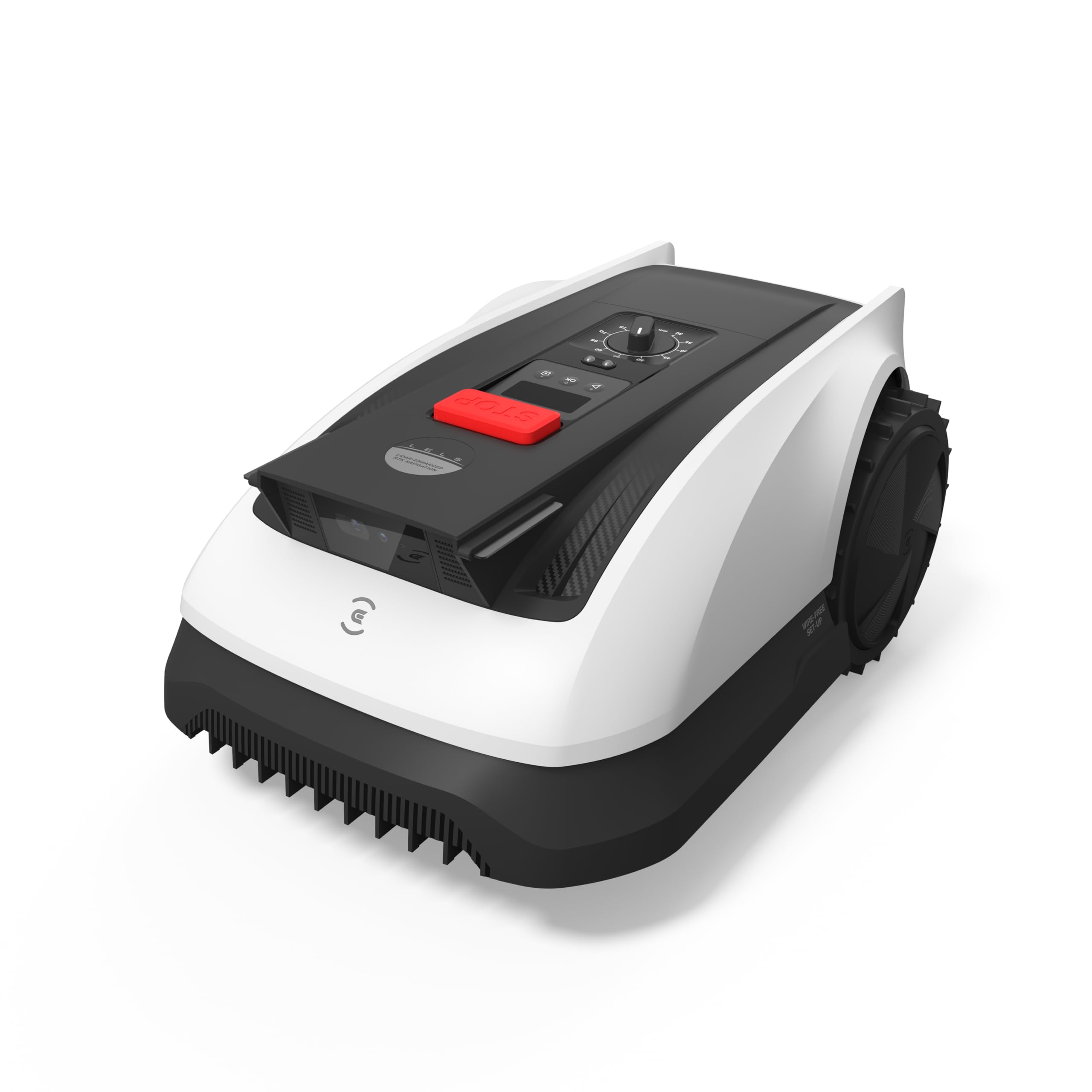
On our quarter-acre patch, it held its own. The mower tackled slopes up to 24 degrees, didn’t get tripped up by garden gnomes, and even dodged our pets with no drama.
Edge cutting? Not bad at all. We did have to touch up a couple spots, but honestly, that’s par for the course with robot mowers.
This thing’s a bit hefty at 44 pounds, so not exactly featherweight. The 8.66-inch cutting width covers ground at a decent clip, but if you’ve got a bigger yard, it’ll take some time.
You can tweak the cutting height anywhere from 1.2 up to 3.2 inches, and there are 11 settings to play with. I like having options, even if I usually just leave it in the middle.
The app’s handy for scheduling and setting up different zones. We set different heights for the front and back—kind of obsessive, but why not?
It’s waterproof, so rain didn’t slow it down. I’ve seen folks say it keeps up with fast-growing grass, and that checks out from what we saw.
Overview of the ECOVACS Goat O1000 RTK Robot Lawn Mower
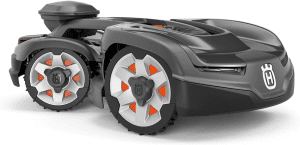
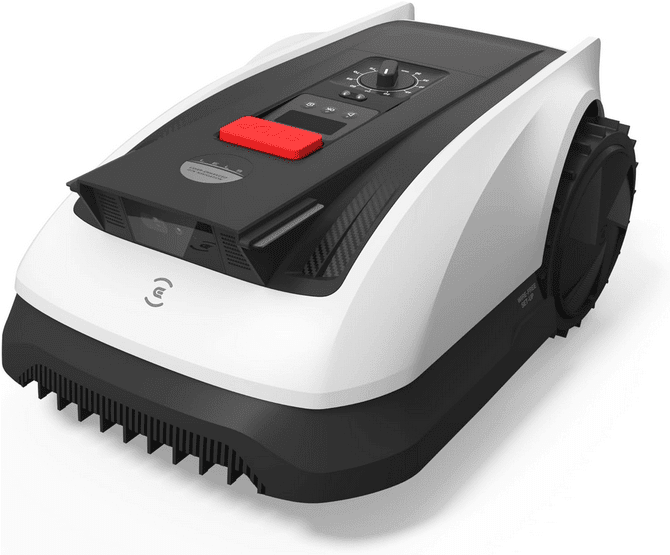
After putting this mower through its paces, I can say it’s not your typical automated lawn care robot. The Goat O1000 uses RTK tech and AI vision for mapping, so you don’t have to mess with wires.
It covers up to a quarter acre and uses 3D obstacle detection to dodge pets, garden decorations, and whatever else you’ve got lying around. We saw it hug the edges pretty well—less cleanup for us later.
Key specs we tested:
- 8.66-inch cutting width
- Height range: 1.2 to 3.2 inches (11 settings)
- Handles slopes up to 45% grade
- IPX6 waterproof rating
The app control lets you customize mowing zones and schedules. At 44.5 pounds, it’s solid—maybe a little heavy, but it feels sturdy.
With its 11-inch width, it squeezed through tight spots (as narrow as 2.3 feet). Reviews average 4.0 stars, mostly because people love ditching wires, though some mention a learning curve with the mapping.

Key Features
Wire-Free Automated Mapping
We set up the O1000 with zero wire drama. The mower’s AI tech figured out the lawn boundaries on its own.
It zipped around, mapped everything, and just remembered where to go next time. No digging, no headaches.
The mapping process took less time than I expected, and it didn’t forget the layout. That’s more than I can say for my old mower.
AIVI 3D Obstacle Avoidance
The obstacle detection is actually impressive. We tossed a bunch of random stuff in its way, and it dodged everything—pets, tools, you name it.
It even spotted our dog and some stray garden tools. Didn’t bump or get stuck once, which is honestly kind of rare with these things.
Not having to clear the whole yard before mowing? Huge plus.
TruEdge Consistent Edge Mowing
I didn’t expect much from edge cutting, but the O1000 surprised me. It got close to fences and borders, so I spent less time with the string trimmer.
It uses LELS navigation to follow boundaries and mows in these U-shaped patterns. The coverage looked even, with fewer missed strips than the random-pattern mowers I’ve tried before.
Cutting width is 8.66 inches, and you can pick from 11 height positions—plenty of room to experiment.
Enhanced Maneuverability and Slope Handling
The compact design let it squeeze through our narrow side gate (about 2.3 feet wide). Saved me from lugging it to the backyard, which I really appreciated.
We ran it on a sloped part of the lawn. Supposedly, it handles a 45% grade (24 degrees), and ours didn’t slip or lose traction.
Rain started midway through one session, but the IPX6 waterproof rating meant we didn’t have to panic or rush it inside. It just kept going.
At just over 44 pounds, it’s stable but not impossible to move if you need to.
Smart App Control and Customization
The app gave us a ton of control. We edited the map, broke the yard into zones, and gave each zone its own settings—nice if your grass is weirdly patchy like ours.
No-go zones around flower beds and our little pond worked perfectly. The mower didn’t cross the lines we set.
You can even set up paths between zones, so it knows how to get from front to back. The options for speed, height, obstacle sensitivity, and mowing direction are almost too many.
The scheduler lets you pick specific times for mowing. Honestly, the app’s a bit overwhelming at first, but you get used to it after poking around for a while.
Pros and Cons
Here’s what stood out to us after a few weeks with the Goat O1000.
Pros
No boundary wires. That alone saved us hours and some sore knees. RTK mapping got our lawn mapped out in just a couple runs.
Obstacle avoidance was rock solid. We left stuff in its path on purpose, and it never ran into anything. I actually trusted it around the dog.
Edge cutting was better than I expected. It hugged the borders, so I barely needed the trimmer. The U-shaped mowing pattern left no weird patches.
It climbed our slopes without a fuss. The slim design let it fit through the narrowest part of our yard, which isn’t something most mowers can pull off.
App control let us set schedules, tweak zones, and keep the mower out of the flower beds. That’s the level of control I want.
Cons
It’s pricier than the wire-based models. If you’re on a tight budget, that might sting a bit.
The RTK system sometimes struggled in spots with heavy tree cover. It still worked, but mapping those areas took longer.
Customer Reviews
From what we’ve seen, most buyers are pretty happy with the Goat O1000. Folks like that it keeps up with frequent mowing, especially where grass grows like crazy after rain.
The wire-free setup gets a lot of love from people who didn’t want to mess with wires.
Unpacking was painless, and everything arrived well-organized. That’s always a relief when you’re dealing with a bunch of parts.
It’s sitting at 4 out of 5 stars from 339 reviews. Most people seem satisfied, but a few ran into issues or maybe expected something different.
The vision-based navigation and obstacle avoidance features work well for most yards, but lawns with tricky layouts can be hit or miss.
Lawn Safety and Pet Protection
We put the Goat O1000 out with both pets and a bunch of garden decorations, and the AIVI 3D obstacle avoidance handled it. The mower spotted our dog and changed direction before getting close.
It worked around toys, garden stakes, and even a rabbit that wandered in. I wouldn’t say it’s perfect, though—it performed best in good lighting, and really tiny objects sometimes needed us to tweak the obstacle settings in the app.
We set up no-go zones where our pets like to hang out, which made us feel better. The mower moves at a reasonable pace, so if a pet darts out, it usually stops in time.
Weather Resistance and Durability
We tested the Goat O1000 in all kinds of weather and found its IPX6 waterproof rating actually holds up. The mower handled light rain just fine during our trial runs.
Even when the grass was soggy with morning dew, it kept running without a fuss. The plastic body feels sturdy enough for outdoor use, honestly tougher than I expected.
We didn't see any real wear after a few weeks of daily mowing. It seems built to handle normal lawn abuse without much trouble.
That said, even though it's rated for wet conditions, we stuck to the manufacturer's advice and kept it inside during heavy downpours. The waterproofing shields the inside parts, but I wouldn't push it in extreme storms if you want it to last.
Frequently Asked Questions
How accurate is the RTK navigation, and does it require a separate base station or antenna placement?
The Goat O1000 uses RTK tech with AI mapping, so you don't need physical wires. In our tests, it stayed right on track with the lawn boundaries we set.
No need for a separate base station or extra antenna for normal use. The onboard AI just learns your yard's edges and remembers them.
We set up our yard map in the app, and the mower handled the rest. The accuracy stayed solid every time we ran it—no drifting or missed spots.
Does the mower need perimeter wires, and how does the boundary setup process work in the app?
This mower doesn't use perimeter wires at all, which honestly feels like a huge step forward from old-school robots. The boundary setup happens right in the app with automated mapping.
We walked the mower around the yard once, and it built a digital map in about 15-20 minutes for our quarter-acre lot.
After mapping, we could tweak the boundaries in the app. We added no-go zones around flower beds and adjusted a few edges for better coverage.
The editing tools let us merge, split, or delete zones if we wanted to change things up. It's quick once you get the hang of it.
How well does it handle slopes, uneven terrain, and narrow passages in typical residential lawns?
This mower tackles slopes up to 45% (about 24 degrees). We ran it up a decent hill in our backyard, and it climbed up without slipping.
On bumpy or uneven ground, it did fine. It didn't get stuck on little obstacles or divots, and the wheels just rolled with the terrain.
For narrow spots, it'll squeeze through passages as tight as 2.3 feet. Its width is just over 11 inches, so it made it through our side gate and between garden beds easily.
At its narrowest, it's about 1.31 feet, which helps a lot for tight areas. We didn't have to rescue it from awkward corners, which was a relief.
What maintenance is required for the blades, cutting deck, and sensors, and how often should it be done?
You'll want to check the blades regularly and swap them out when they're dull. We inspected ours every few weeks and noticed they started to dull after about a month of daily mowing.
Sharp blades really do make a difference in cut quality. The cutting deck needs a wipe-down when grass clippings build up underneath.
We cleaned it every week or two, especially when the grass was growing like crazy. Wet grass sticks more, so keep an eye on that.
The sensors and camera lens need a quick clean now and then to keep obstacle detection sharp. We used a soft cloth if we spotted dirt or grass buildup, especially after a rainy day when mud splashed up.
How does the LiDAR PRO obstacle detection perform with trees, garden furniture, pets, and low obstacles?
The 3D obstacle avoidance worked well with big stuff like trees and patio furniture. The mower saw our patio chairs and steered around them without bumping into anything.
It also managed to avoid tree trunks every time. With pets, it was a mixed bag—it stopped for our medium-sized dog when he wandered out, but the pet needs to be visible to the sensors.
Fast-moving animals might still catch it off guard sometimes. Low obstacles, like hoses or shallow edging, were the trickiest. The mower sometimes got too close before noticing them, especially if they were flat on the ground.
Raised obstacles were a lot easier for it to detect. Overall, it handled most yard clutter better than we expected, but you'll still want to tidy up before letting it loose.
What is the battery runtime and charging time, and what lawn size can it realistically cover per day?
We got about 90 minutes of mowing time on a full charge during our tests. Grass thickness and terrain made this vary a bit—sometimes more, sometimes less.
Charging takes roughly 2-3 hours to go from empty to full. When the battery gets low, the mower just heads back to its charging station on its own.
The product says it can handle up to a quarter acre. We found that pretty spot-on for flat, simple lawns.
Our quarter-acre yard needed the mower to run twice a day during the crazy growing season just to keep up. If your lawn’s got a bunch of weird corners or steep slopes, though, expect it to cover less ground per charge.
It honestly takes more time to get around tricky terrain, so you’ll probably see a smaller coverage area if your yard’s complicated.